
 Pin it
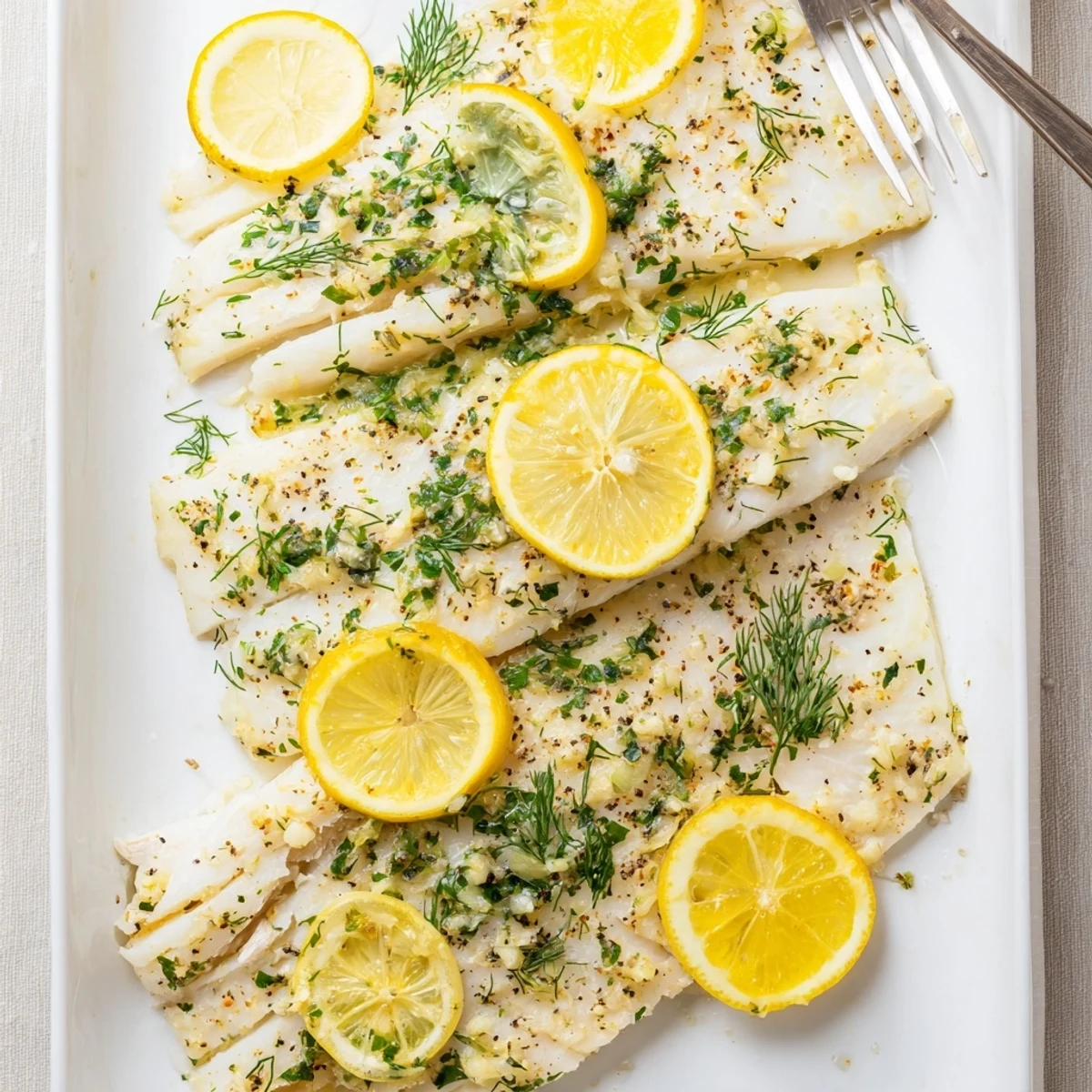
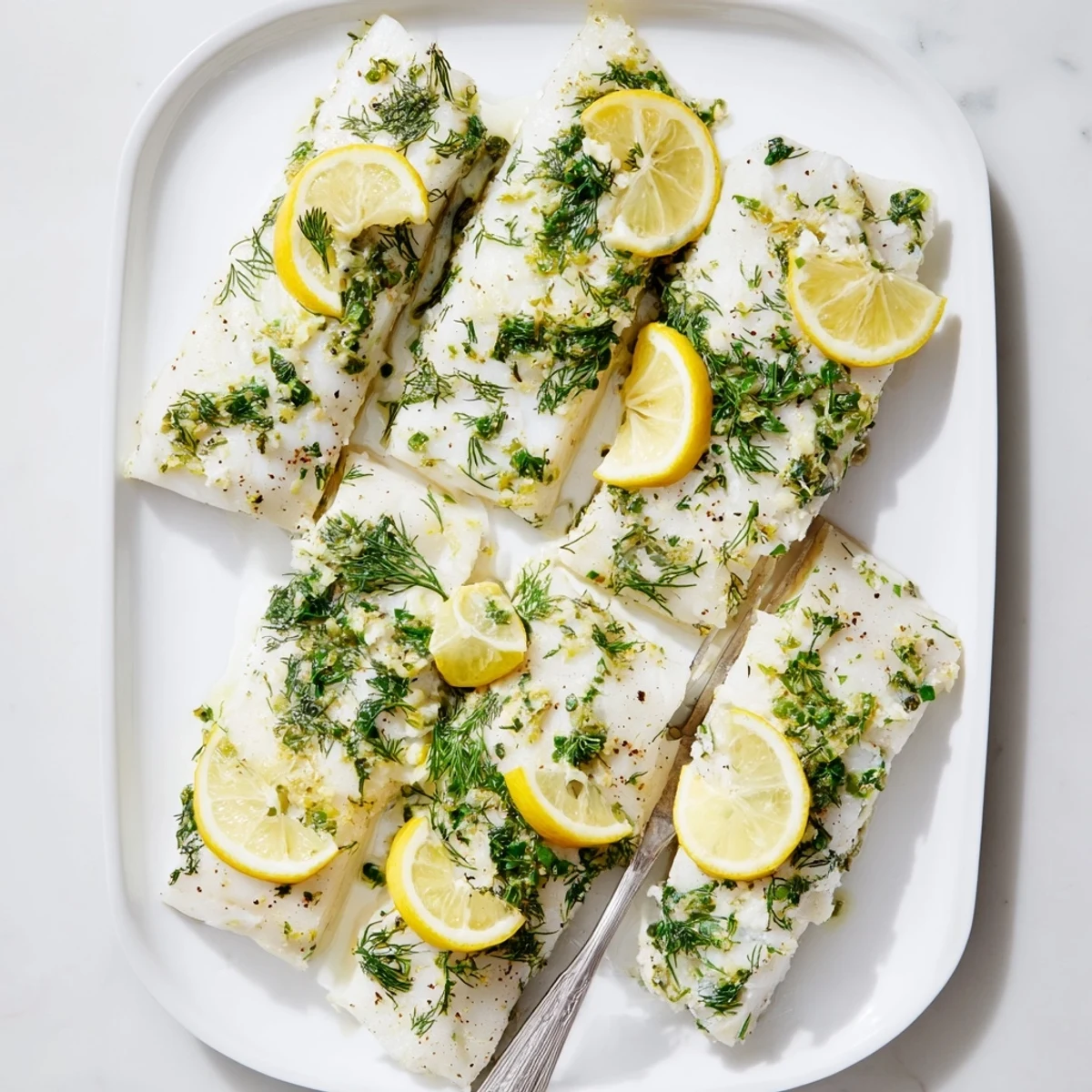
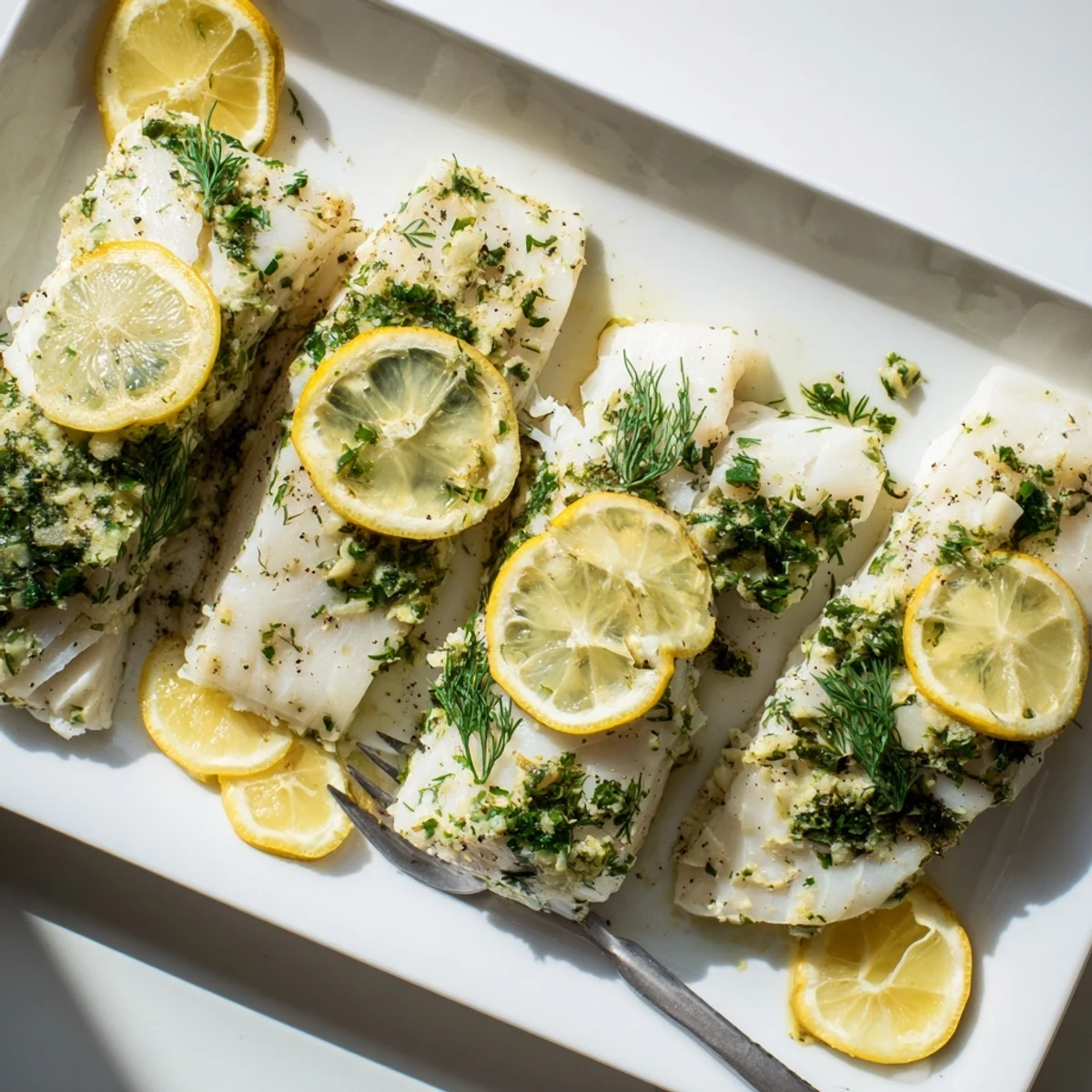
 This elegant yet simple preparation showcases halibut's naturally delicate texture and mild flavor. The fillets are coated with a luxurious mixture of melted butter, olive oil, and a trio of fresh herbs—parsley, dill, and chives—along with aromatic minced garlic.
After seasoning and topping with thin lemon slices, the fish bakes quickly at high heat, developing a beautiful golden exterior while remaining moist and flaky inside. The cooking process creates flavorful pan juices that are spooned over each serving.
Perfect for weeknight dinners or casual entertaining, this dish pairs beautifully with roasted vegetables, steamed asparagus, or a fresh green salad. The preparation is forgiving enough for beginners but impressive enough for guests.
The smell of fresh herbs mingling with melting butter still takes me back to my first apartment kitchen, where I discovered that halibut could actually be exciting. I'd always associated fish with something dry and disappointing until a friend brought over these beautiful fillets from the market. We stood around the oven watching through the glass door as the lemon slices curled and the butter bubbled up around the edges.
Last spring my neighbor invited me over for what she called a quick dinner and served this exact halibut with just some steamed green beans. We sat on her back porch as the sun went down, and I remember thinking how something so simple could feel so luxurious. The fish was perfectly flaky and bright, the kind of meal that makes you slow down and pay attention to what you're eating.
Ingredients
- Halibut fillets: Choose firm, translucent pieces that smell fresh and like the ocean
- Unsalted butter: Melting it creates the perfect carrier for all those herbs and garlic
- Olive oil: Adds a fruity brightness that balances the richness
- Fresh parsley: Brings a grassy, fresh note that cuts through the butter
- Fresh dill: Gives that classic pairing with fish that just works
- Fresh chives: Adds a mild onion flavor that's not too sharp
- Garlic: Minced fine so it mellows into the butter rather than staying harsh
- Lemon: Thin slices roast alongside the fish and become edible and tangy
- Sea salt: Use a good quality one since it's the primary seasoning
- Black pepper: Freshly ground makes all the difference here
- Paprika: Optional but adds a lovely subtle warmth and color
Instructions
- Get your oven ready:
- Preheat to 400°F so it's fully hot when the fish goes in
- Prep the fillets:
- Pat them completely dry with paper towels and arrange in a baking dish you've lightly oiled
- Make the magic butter:
- Whisk together melted butter, olive oil, and all those chopped herbs and garlic until it's fragrant
- Coat the fish:
- Brush the herb butter generously over each fillet, getting it into every nook and cranny
- Season well:
- Sprinkle with salt, pepper, and paprika if you're using it
- Add the lemons:
- Lay lemon slices directly on top and tuck some around the sides
- Bake until perfect:
- Cook for 15 to 20 minutes until the fish flakes easily and looks opaque throughout
- Serve it up:
- Spoon all those pan juices over the fillets and get them to the table while they're still hot
 Pin it
 This recipe became my go-to for dinner parties after the time I made it for my parents who claimed they didn't really like fish. They cleaned their plates and asked when I could make it again, and I felt like I'd pulled off some kind of magic trick. Now it's the meal I turn to when I want to serve something impressive without being stuck in the kitchen all night.
Choosing the Right Fish
I've learned that fresh halibut should have a clean smell and flesh that bounces back when you press it gently. If it's mushy or smells strong, walk away. The fish counter guy at my local market taught me that good halibut is worth the extra money because it holds up so beautifully to baking.
Making It Your Own
Sometimes I'll swap in thyme or basil depending on what's growing in my windowsill garden. A splash of white wine in the bottom of the pan creates a lovely light sauce, and I've even added capers when I wanted something briny and sharp.
What to Serve Alongside
Keep it simple with roasted asparagus or some crusty bread to soak up those juices. A crisp white wine like sauvignon blanc or pinot grigio won't overpower the delicate fish.
- Steamed green beans with lemon butter complete the meal without competing for attention
- Roasted baby potatoes with rosemary make it feel more substantial
- A simple arugula salad with vinaigrette adds a nice bitter contrast
 Pin it
 There's something about serving a properly cooked piece of fish that makes any dinner feel like a special occasion. Hope this becomes one of those recipes you turn to again and again.
Recipe FAQ
- → What temperature should halibut be cooked to?
-
Halibut is properly cooked when it reaches an internal temperature of 145°F (63°C) and flakes easily with a fork. The flesh should appear opaque throughout rather than translucent.
- → Can I use frozen halibut fillets?
-
Yes, frozen halibut works well. Thaw completely in the refrigerator overnight, then pat dry before cooking. Avoid thawing at room temperature to prevent bacterial growth.
- → What other fish work with this preparation?
-
Cod, haddock, sea bass, or snapper are excellent alternatives. Adjust cooking time slightly based on fillet thickness—thinner pieces may need 2-3 minutes less baking time.
- → How do I know when the fish is done?
-
Insert a fork into the thickest part of the fillet and twist gently. The fish should flake easily and appear opaque throughout. Overcooking will cause the fish to become dry and rubbery.
- → Can I prepare this ahead of time?
-
Mix the herb butter blend up to a day in advance and store refrigerated. Coat the fish just before baking for best results. Leftovers keep well for 2 days and can be gently reheated.
- → What sides pair well with baked halibut?
-
Roasted vegetables, steamed asparagus, sautéed spinach, or a crisp green salad complement the light flavors. For heartier options, try roasted potatoes, wild rice, or quinoa pilaf.