
 Pin it
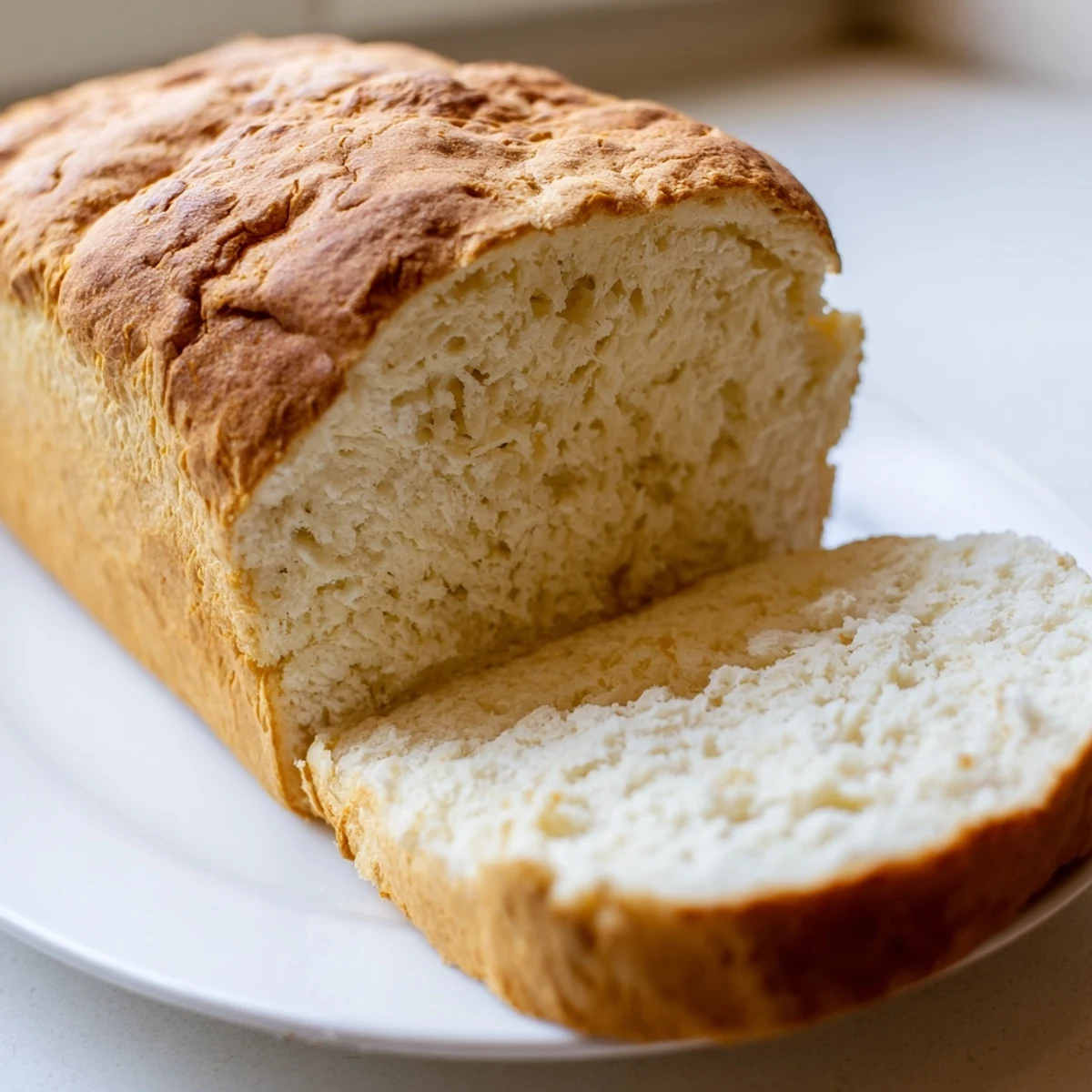
 This cottage cheese loaf delivers a tender texture and subtle protein boost from creamy cottage cheese incorporated throughout the dough. The result is a versatile bread that works beautifully for morning toast, lunchtime sandwiches, or served alongside soups and salads.
The preparation involves combining simple pantry staples with cottage cheese, creating a slightly sticky dough that becomes smooth and elastic after kneading. After rising, the loaf bakes into a golden crust with a soft, pillowy interior. Customization options include adding fresh herbs like chives or dill, or swapping in whole wheat flour for added nutrition and heartier flavor.
This American-style bread keeps well for several days and actually improves when toasted, making it excellent for meal prep. The cottage cheese adds moisture that helps prevent staling, while contributing to the loaf's satisfying protein content.
I stumbled upon this cottage cheese bread recipe during one of those Sunday afternoon kitchen experiments where nothing in the fridge quite makes sense together. The texture completely surprised me, light and tender in a way I never expected from something with cottage cheese in the name.
My sister was visiting when I first pulled this loaf from the oven. She took one bite, raised her eyebrows, and immediately asked for the recipe before even finishing her slice. That never happens.
Ingredients
- All-purpose flour: Forms the structure, but dont pack it down or your bread will turn dense
- Granulated sugar: Feeds the yeast and adds just enough subtle sweetness to balance the tangy cottage cheese
- Salt: Essential for flavor, so measure accurately
- Active dry yeast: Make sure its fresh, expired yeast is the reason most bread fails
- Cottage cheese: Use small curd and room temperature, it creates those incredible tender pockets throughout the crumb
- Warm milk: Should feel like bathwater, too hot kills the yeast, too cold slows everything down
- Unsalted butter: Melted and slightly cooled adds richness without overpowering
- Large egg: Also room temperature, helps with structure and gives the bread better color
Instructions
- Mix the dry foundation:
- Whisk flour, sugar, salt, and yeast in a large bowl until evenly combined
- Blend the wet mixture:
- Whisk cottage cheese, milk, butter, and egg in a separate bowl until completely smooth, small lumps are okay but try to break them up
- Bring it together:
- Pour wet ingredients into dry and mix with a wooden spoon until sticky dough forms
- Knead until smooth:
- Turn onto floured surface and knead for 8 minutes, sprinkling flour only when dough feels too tacky
- First rise:
- Place dough in greased bowl, cover, and let rise in warm spot until doubled, about 1 hour
- Shape the loaf:
- Punch down gently, shape into a rectangle, roll tightly, and place in greased loaf pan
- Second rise:
- Cover and let rise 30 minutes until dough reaches about 1 inch above pan rim
- Bake to golden:
- Bake at 350°F for 35 minutes until deep golden and loaf sounds hollow when tapped on bottom
- Cool completely:
- Remove from pan immediately and cool on wire rack, slicing while warm ruins the texture
 Pin it
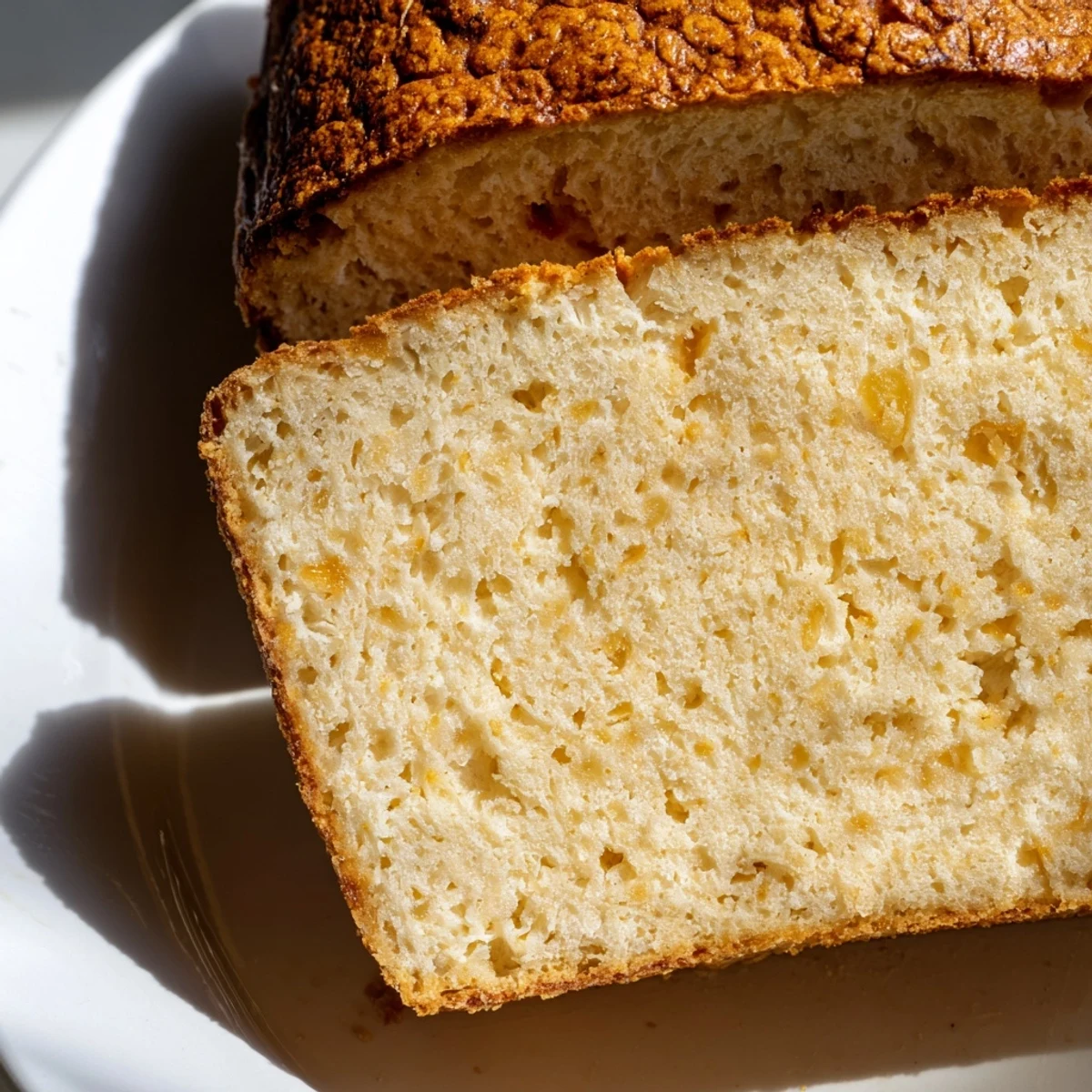
 This bread became my go-to for housewarming gifts after three different friends specifically requested it for their birthday breakfast. Thats when I knew it wasnt just me being weird about cottage cheese in bread.
Getting The Rise Right
Ive learned that rising time varies wildly depending on your kitchen. In winter I turn my oven light on and let the dough rise inside, it creates just enough warmth without being too hot.
Flavor Variations
Fresh chives and dill folded into the dough before the first rise make this incredible for savory toast. For something closer to breakfast bread, a tablespoon of honey and some cinnamon mixed into the dry ingredients changes everything.
Serving Suggestions
Toasted with salted butter is simple but perfect. This bread also makes exceptional grilled cheese, the texture holds up beautifully and gets these crispy edges that are addictive.
- Slice thick for french toast, the protein content keeps you full all morning
- Cubed and stale it makes the most savory croutons youve ever had
- Freeze individual slices wrapped in parchment for busy weekdays
 Pin it
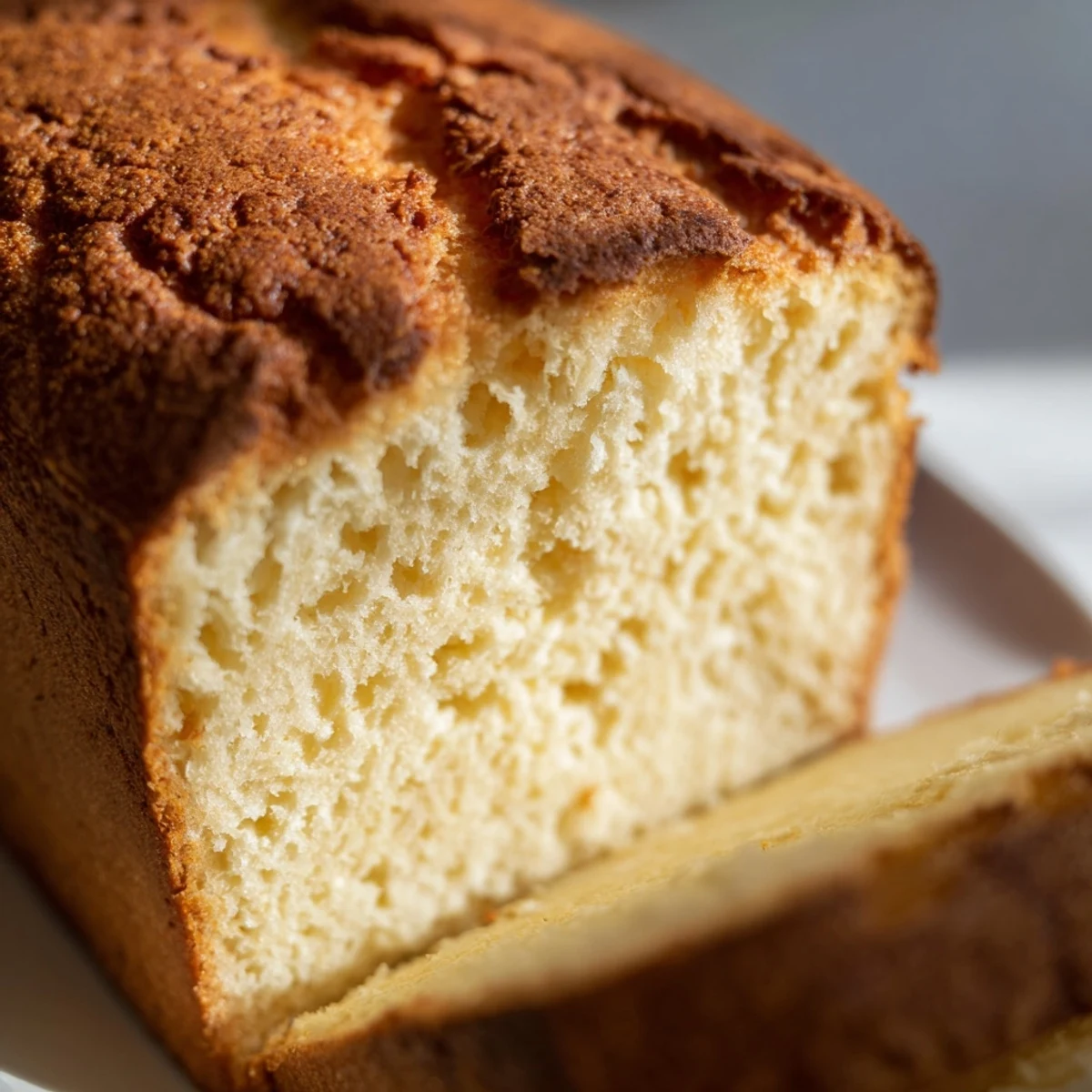
 Theres something deeply satisfying about turning an ingredient most people overlook into something so unexpectedly wonderful. Happy baking.
Recipe FAQ
- → What does cottage cheese add to bread?
-
Cottage cheese adds moisture, tenderness, and protein to the loaf. It creates a softer crumb texture and helps the bread stay fresh longer. The cheese melts during baking, leaving only subtle richness rather than an overt cheesy flavor.
- → Can I use low-fat cottage cheese?
-
Yes, low-fat or fat-free cottage cheese works well in this loaf. The bread may be slightly less tender, but will still bake up nicely. Full-fat cottage cheese produces the softest texture and richest flavor.
- → How should I store this bread?
-
Store the cooled loaf in a plastic bag or wrapped tightly at room temperature for up to 3 days. For longer storage, freeze sliced portions in freezer bags and toast directly from frozen. Refrigeration can make the bread stale faster.
- → Why is my dough so sticky?
-
The cottage cheese creates a naturally sticky dough, which is normal. Add flour gradually while kneading just until the dough becomes workable. Over-flouring will result in a denser, drier loaf. The stickiness contributes to the final tender texture.
- → Can I add herbs or other mix-ins?
-
Absolutely. Fresh herbs like chives, dill, or rosemary work beautifully. You can also add minced garlic, grated cheese, or sun-dried tomatoes. Fold these in during the final minutes of kneading to distribute evenly.
- → Is this bread suitable for sandwiches?
-
Yes, this loaf slices well and holds together nicely for sandwiches. The texture is substantial enough to support fillings without becoming soggy. It's particularly good with egg salad, chicken salad, or turkey and cheese.