
 Pin it
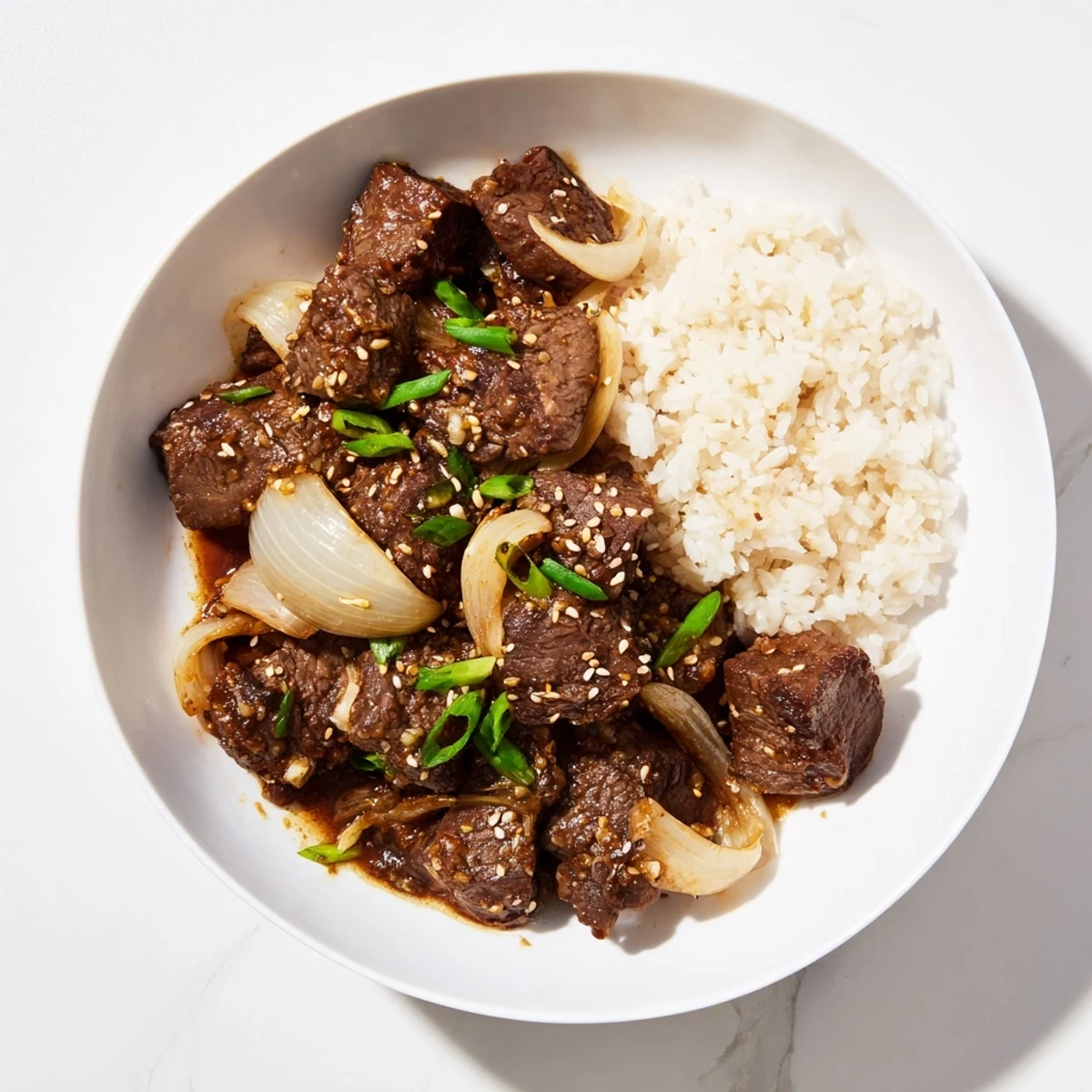
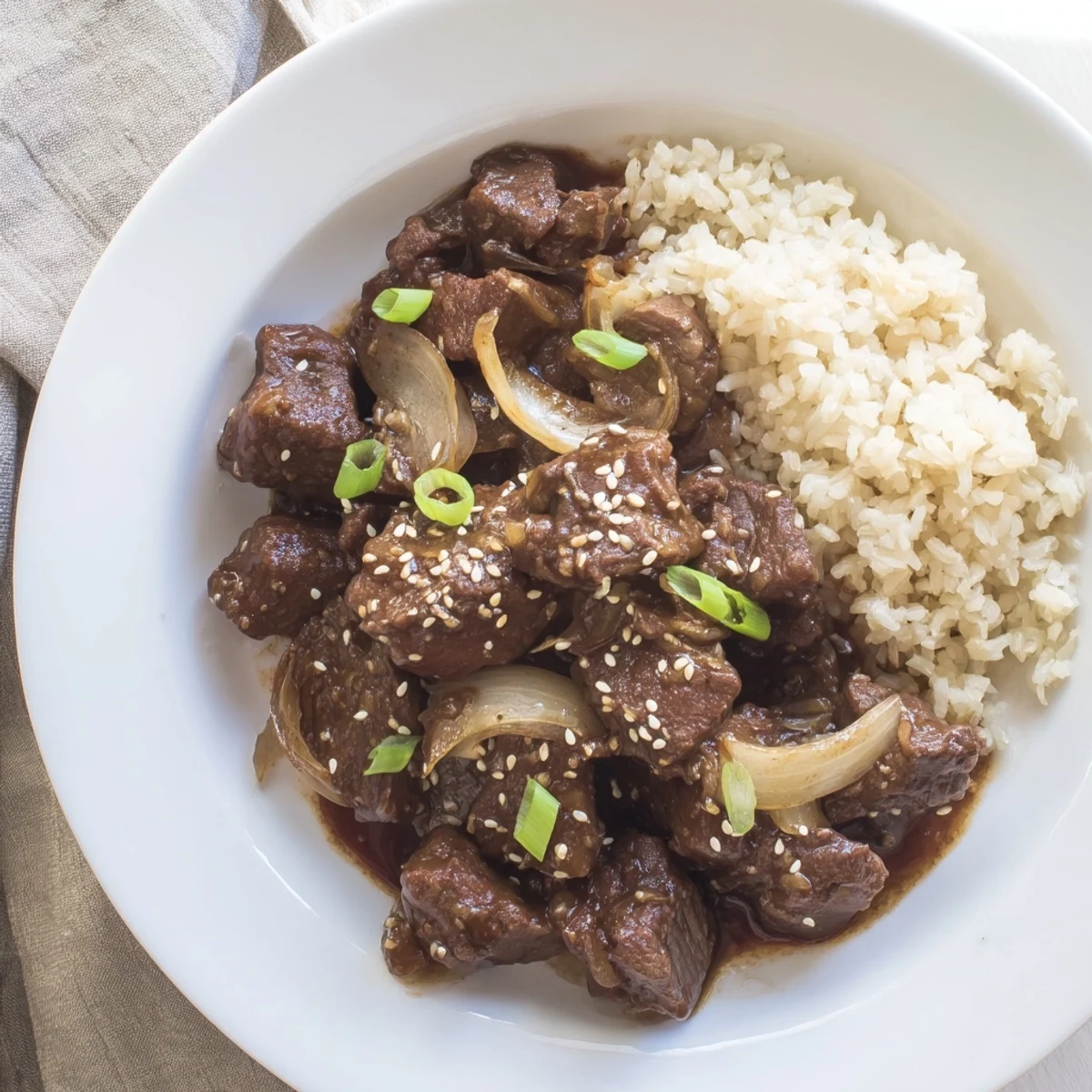
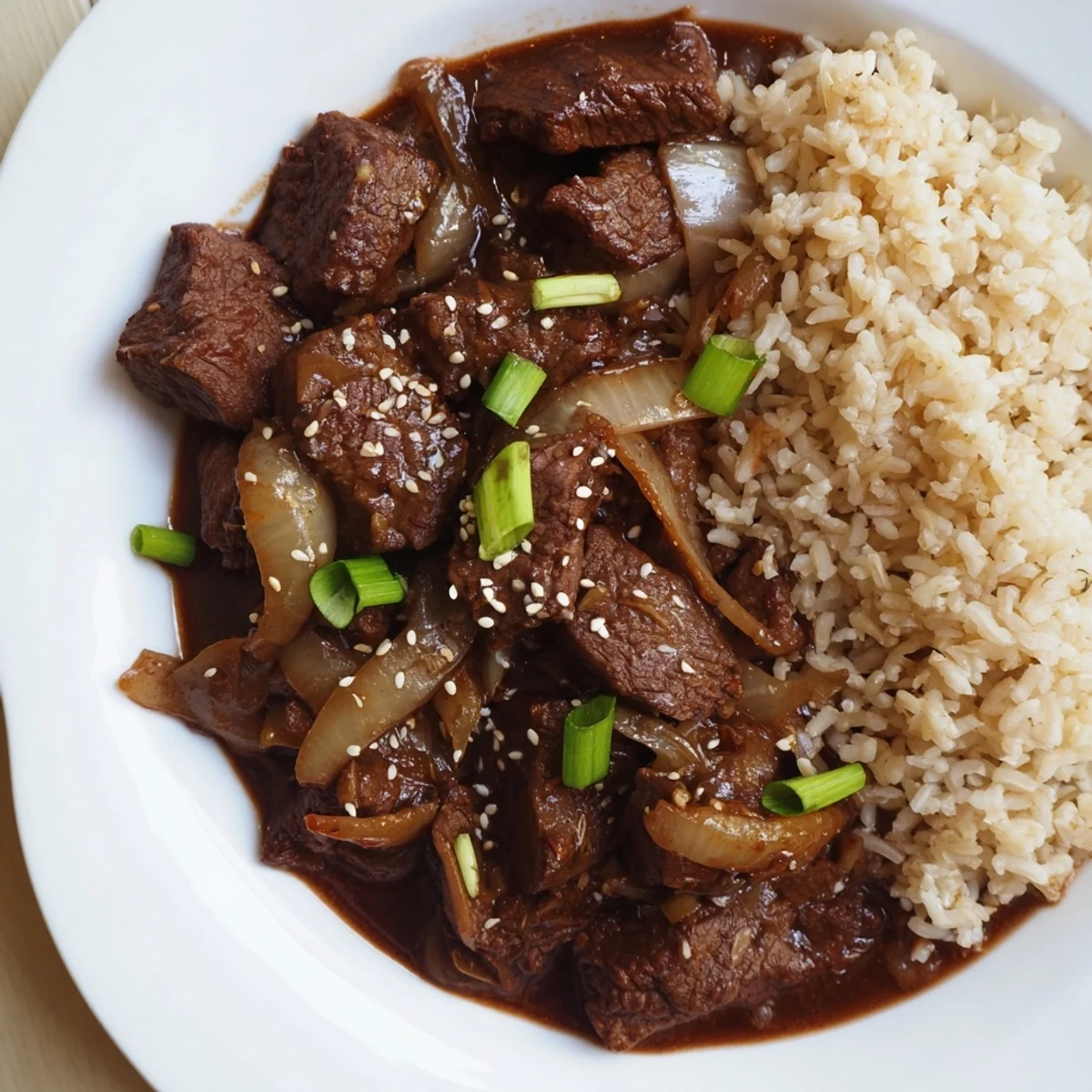
 Tender beef chunks slow-cooked in a flavorful Korean-inspired sauce featuring soy sauce, brown sugar, sesame oil, and gochujang. The beef becomes incredibly tender after 6-7 hours on low, shredding easily with forks. Serve over rice or in lettuce wraps with garnishes of green onions and sesame seeds for a comforting, flavorful meal that's perfect for busy weeknights.
The first time I made this Korean beef, my apartment smelled so incredible that my next-door neighbor actually knocked on my door to ask what I was cooking. I had to laugh as I invited her in to taste test—she ended up staying for dinner. That's the kind of dish this is—impossibly aromatic and welcoming.
Last winter, when I was recovering from surgery and barely had energy to stand, this recipe saved me. I could barely chop vegetables, but I managed to cube the beef and dump everything in the crock pot. Six hours later, I had the most comforting, tender beef that felt like a warm hug in a bowl.
Ingredients
- Beef chuck roast: I've learned the hard way that chuck roast is worth the extra cost—it breaks down beautifully and becomes meltingly tender, unlike leaner cuts that turn tough and stringy
- Low-sodium soy sauce: Regular soy sauce can make the final dish overwhelmingly salty, and you can always add more salt but you can't take it away
- Brown sugar: The molasses in brown sugar creates this gorgeous caramelized depth that white sugar just can't replicate
- Sesame oil: This is non-negotiable for authentic Korean flavor, and a little goes a long way so don't be tempted to use more
- Rice vinegar: Adds just enough acidity to cut through the richness and brighten all the other flavors
- Fresh garlic and ginger: I've tried using garlic powder and ground ginger in a pinch, and the difference is night and day—fresh is absolutely worth the extra prep time
- Gochujang: This Korean chili paste brings this incredible fermented complexity that's not just about heat, it's about umami depth
- Cornstarch: Essential for thickening the sauce into that perfect glossy consistency that clings to every bite of beef
- Onion: As it slow cooks, the onion practically melts into the sauce, adding subtle sweetness and body
- Green onions and sesame seeds: These aren't just garnish—they add fresh crunch and nuttiness that contrasts beautifully with the tender beef
Instructions
- Whisk together the sauce:
- I like to use a glass measuring cup for this because the spout makes pouring so much easier later. Whisk until the brown sugar is completely dissolved and the cornstarch has disappeared into the liquid.
- Prep the beef and onion:
- Cut the chuck roast into roughly 2-inch cubes, trimming away any large pockets of fat but leaving some for flavor. Slice the onion into thick strips—they'll shrink considerably as they cook.
- Layer everything in the crock pot:
- I arrange the beef in an even layer first, then scatter the onions on top before pouring that gorgeous sauce over everything. Use a wooden spoon to gently toss and coat every piece of beef.
- Let it cook low and slow:
- Cover it up and forget about it for 6-7 hours on LOW. Your house will start smelling amazing around hour 4, which is just torturous but also wonderful.
- Finish and shred:
- There might be a layer of fat on top—skim it off with a large spoon. Then use two forks to shred the beef right in the cooker, mixing it with all that thickened sauce.
- Serve it up:
- I love mounding this over steaming hot jasmine rice, but lettuce wraps make for such a fresh, light version. Don't forget those final toppings of green onions and sesame seeds.
 Pin it
 This recipe became my go-to for new parents and friends recovering from illness. There's something deeply nourishing about tender beef in a rich, savory sauce that feels like genuine comfort food. I've delivered it in disposable containers more times than I can count, and I always get texts two days later asking for the recipe.
Making It Your Own
Once you've made this a few times, you'll start developing opinions about how you like it best. I've learned that adding a splash more gochujang transforms it from family-friendly to genuinely spicy, and sometimes I throw in sliced mushrooms during the last hour because they soak up that incredible sauce.
Serving Ideas
Beyond rice, this beef is incredible stuffed into tortillas for Korean-style tacos or piled onto baked sweet potatoes. I've even served it over udon noodles with some extra broth added to make a sort of Korean beef noodle soup situation that was absolutely phenomenal.
Storage And Reheating
This beef freezes beautifully, and I always make a double batch just to stash half in the freezer for those nights when cooking feels impossible. It reheats perfectly in the microwave or on the stove, and honestly, I think the flavors get even better after a day or two in the refrigerator.
- Store in airtight containers for up to 5 days in the refrigerator
- Freeze for up to 3 months, but label it well because that frozen beef looks unrecognizable
- Add a splash of water or extra sauce when reheating if it seems too thick
 Pin it
 I hope this becomes one of those recipes you turn to again and again, the kind that feels like an old friend every time you make it. There's something so satisfying about a dish that delivers such big flavors with such little effort.
Recipe FAQ
- → Can I use a different cut of beef?
-
Yes, you can use other chuck roast cuts or even brisket. The key is to use a cut that becomes tender when slow-cooked. Avoid lean cuts as they can become dry.
- → What if I don't have gochujang?
-
You can substitute with sriracha, but the flavor will be different. For a milder option, use a combination of soy sauce, a bit of sugar, and some red pepper flakes.
- → How do I make this gluten-free?
-
Use gluten-free soy sauce and ensure your gochujang is certified gluten-free. The cornstarch can be replaced with arrowroot powder or omitted if you prefer a thinner sauce.
- → Can I cook this on high instead of low?
-
Yes, you can cook on high for 3-4 hours, but the beef may not be as tender. Cooking on low is recommended for the best texture and flavor development.
- → What vegetables work well with this dish?
-
Sliced carrots, bell peppers, or broccoli can be added during the last hour of cooking. Mushrooms also pair well and can be added at the beginning.