
 Pin it
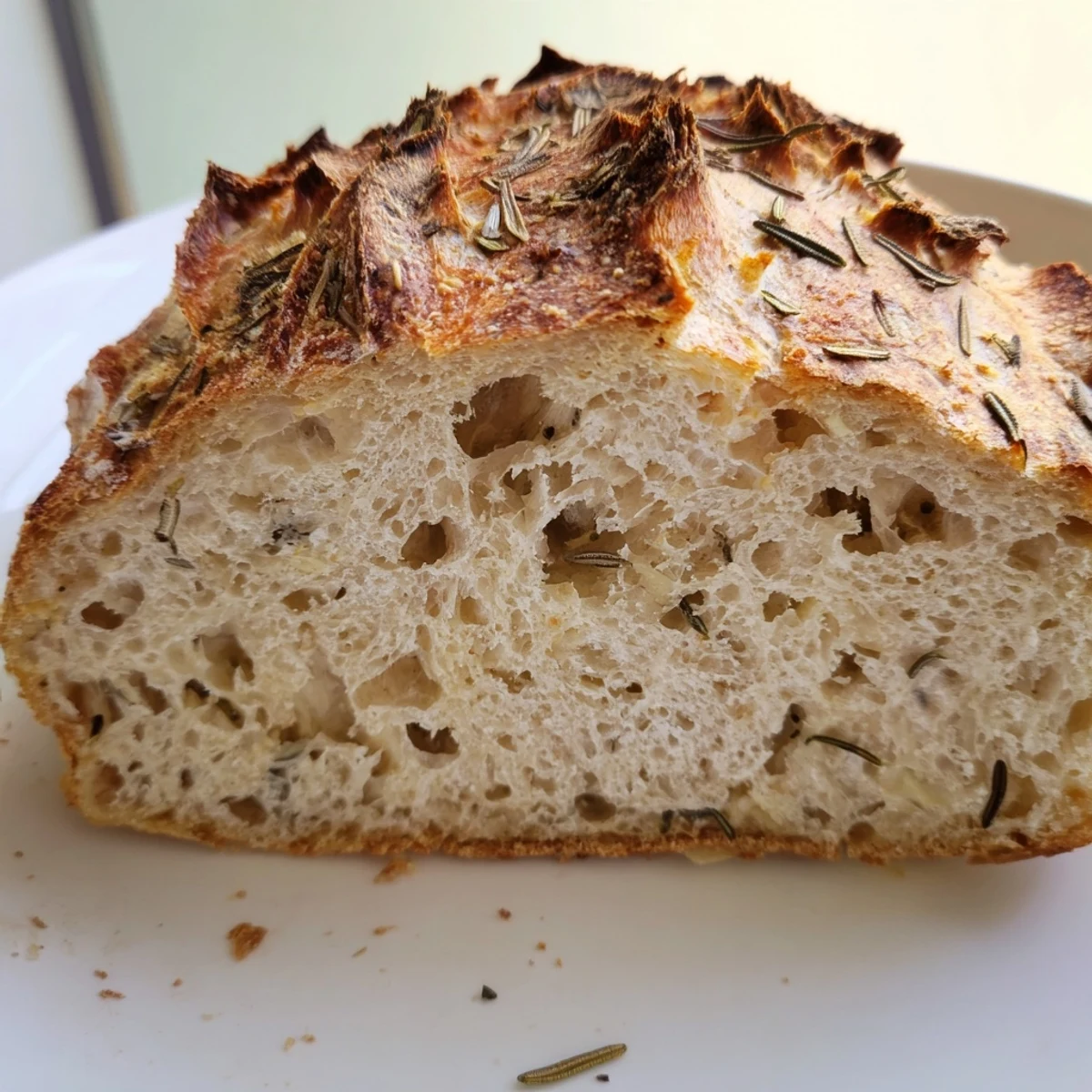
 Craft a bakery-quality loaf in your Dutch oven with this garlic and rosemary infused bread. The combination of active dry yeast, bread flour, and aromatic herbs creates a beautifully textured European-style bread with a characteristically deep golden crust and tender crumb.
The Dutch oven method generates steam during baking, essential for developing that professional crackling crust and airy interior. After mixing the simple dough, let it rise for 2-3 hours before shaping and baking at high heat.
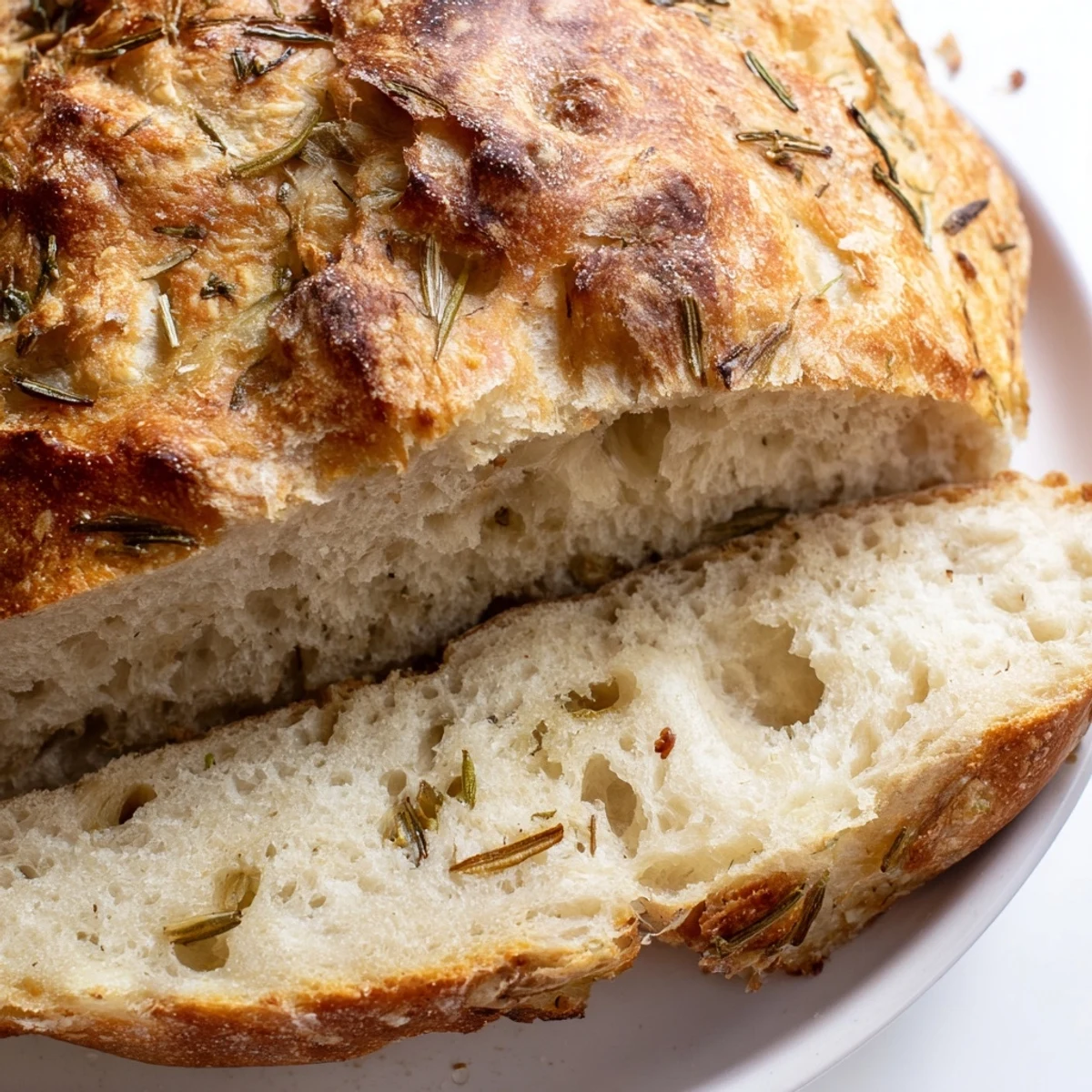
The finished loaf delivers robust garlic and herb flavors with each slice, ideal for accompanying pasta, soups, or enjoying simply with olive oil. The bread's texture stays fresh for hours, though leftovers transform beautifully into elevated toast the next day.
The first time I pulled this bread from the oven, my entire apartment smelled like an Italian bakery. My neighbor actually knocked on my door to ask what I was baking, which I took as the highest compliment. There is something magical about the combination of garlic and rosemary perfuming the air as this dough transforms in the heat.
I brought this loaf to a friend's dinner party last fall, and people literally hovered around the bread basket. We ended up skipping the appetizers entirely and just devoured the warm bread with olive oil. The host asked for the recipe before we even finished dessert, and now she makes it every Sunday.
Ingredients
- Bread flour: The higher protein content creates that beautiful structure and chewy texture we are after
- Fine sea salt: Coarser salt will not dissolve properly and you will end up with salty pockets in your crumb
- Active dry yeast: This small amount works perfectly for the long fermentation, developing deeper flavor
- Lukewarm water: If it feels too hot to touch, it will kill your yeast, so err on the side of slightly cool
- Olive oil: Keeps the bread tender and adds a subtle fruity note that complements the garlic
- Fresh garlic: Do not substitute garlic powder here, the fresh cloves sweeten as they bake
- Fresh rosemary: The woody pine flavor needs to be fresh to stand up to the long bake time
Instructions
- Mix the dry base:
- Whisk the flour, salt, and yeast together in a large bowl until completely incorporated, about 30 seconds.
- Form the dough:
- Pour in the water and olive oil, stirring with a wooden spoon until a shaggy, sticky mass forms that holds together.
- Add the aromatics:
- Fold in the minced garlic and chopped rosemary until just distributed, do not overwork the dough.
- First rise:
- Cover the bowl tightly and let it sit at room temperature until the dough has doubled and bubbles appear on the surface.
- Shape the loaf:
- Turn the dough onto a floured surface and gently fold the edges toward the center to form a round ball.
- Second rise:
- Place the dough seam-side down on parchment, cover loosely, and let it puff up for about 45 minutes.
- Preheat the oven:
- Put your Dutch oven in the oven and heat to 450 degrees F for at least 30 minutes to create the steam environment.
- Bake covered:
- Carefully lift the parchment with dough into the hot pot, cover, and bake for 30 minutes to trap the steam.
- Finish the crust:
- Remove the lid and bake for 12 to 15 more minutes until the crust is a deep golden brown.
- Cool completely:
- Let the bread rest on a wire rack for at least 20 minutes, or the inside will be gummy when you slice.
 Pin it
 My grandmother would have loved this recipe, and I often think about her whenever the garlic aroma fills my kitchen. Bread has this way of connecting us across generations, and this loaf feels like carrying on a tradition even though the recipe is thoroughly modern.
Getting That Artisan Look
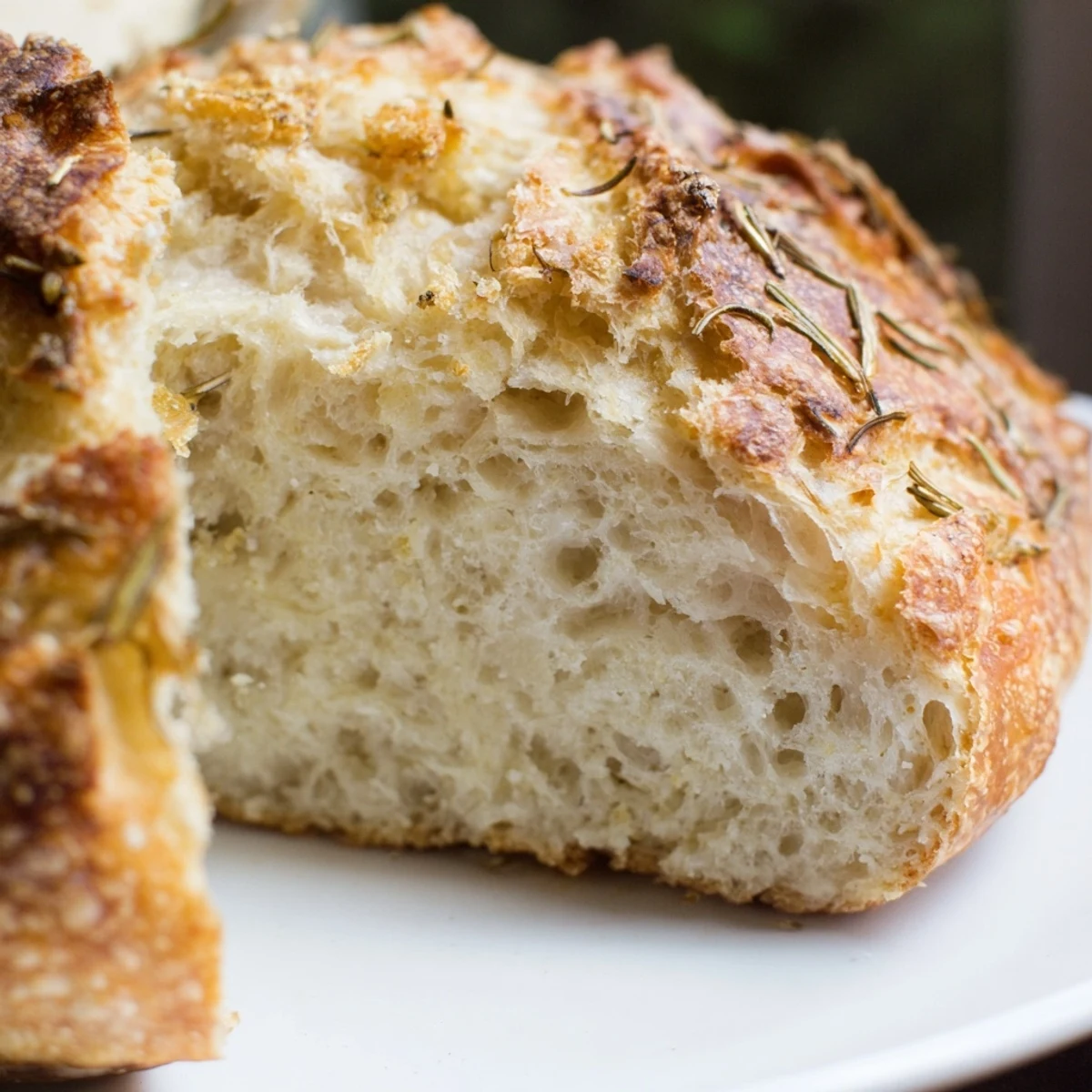
For an extra professional touch, score the top of your dough with a sharp knife or razor blade right before baking. This gives the bread a place to expand and creates those beautiful ridges on the finished loaf.
Making It Your Own
Kalamata olives, sun dried tomatoes, or even caramelized onions can transform this bread into something entirely new. The base recipe is so forgiving that it welcomes almost any addition you can dream up.
Storing and Reviving
This bread stays fresh wrapped in a cloth for about two days, though it rarely lasts that long in my house. If it does go slightly stale, slice it thick and toast it with olive oil and a sprinkle of salt for the best bruschetta of your life.
- Freeze extra loaves wrapped tightly in plastic and thaw at room temperature
- Revive day old bread by sprinkling with water and reheating at 350 degrees for 10 minutes
- The garlic flavor intensifies after a day, making leftovers even better for toast
 Pin it
 There is nothing quite like tearing into a warm loaf of homemade bread, especially one filled with garlic and rosemary. I hope this recipe becomes a staple in your kitchen like it has in mine.
Recipe FAQ
- → What makes Dutch oven bread different from regular bread?
-
The Dutch oven creates a steam-filled environment during baking, which develops a thick, crispy crust and keeps the interior moist and tender. This method replicates professional steam-injected ovens used by artisan bakers.
- → Can I use dried rosemary instead of fresh?
-
Yes, substitute with 2 teaspoons of dried rosemary. Add it directly to the dry ingredients with the flour. Fresh herbs provide brighter flavor, but dried works well in a pinch.
- → Why is my dough so sticky?
-
This is normal for high-hydration dough. Use well-floured hands when handling and shaping. The sticky consistency contributes to the bread's open crumb structure and soft texture.
- → Can I add other ingredients like olives?
-
Absolutely. Kalamata olives, sun-dried tomatoes, or grated parmesan cheese fold in easily during step 3. Keep additions to about 1/2 cup total to maintain proper dough structure.
- → How do I know when the bread is done baking?
-
The crust should be deep golden brown, and the bread should sound hollow when tapped on the bottom. An instant thermometer inserted into the center should read 200-205°F (93-96°C).
- → Can I make this without a Dutch oven?
-
Yes, use a heavy cast iron pot with a tight-fitting lid or a cloche baker. Alternatively, bake on a baking stone and place a metal pan of hot water on the bottom rack to create steam.