
 Pin it
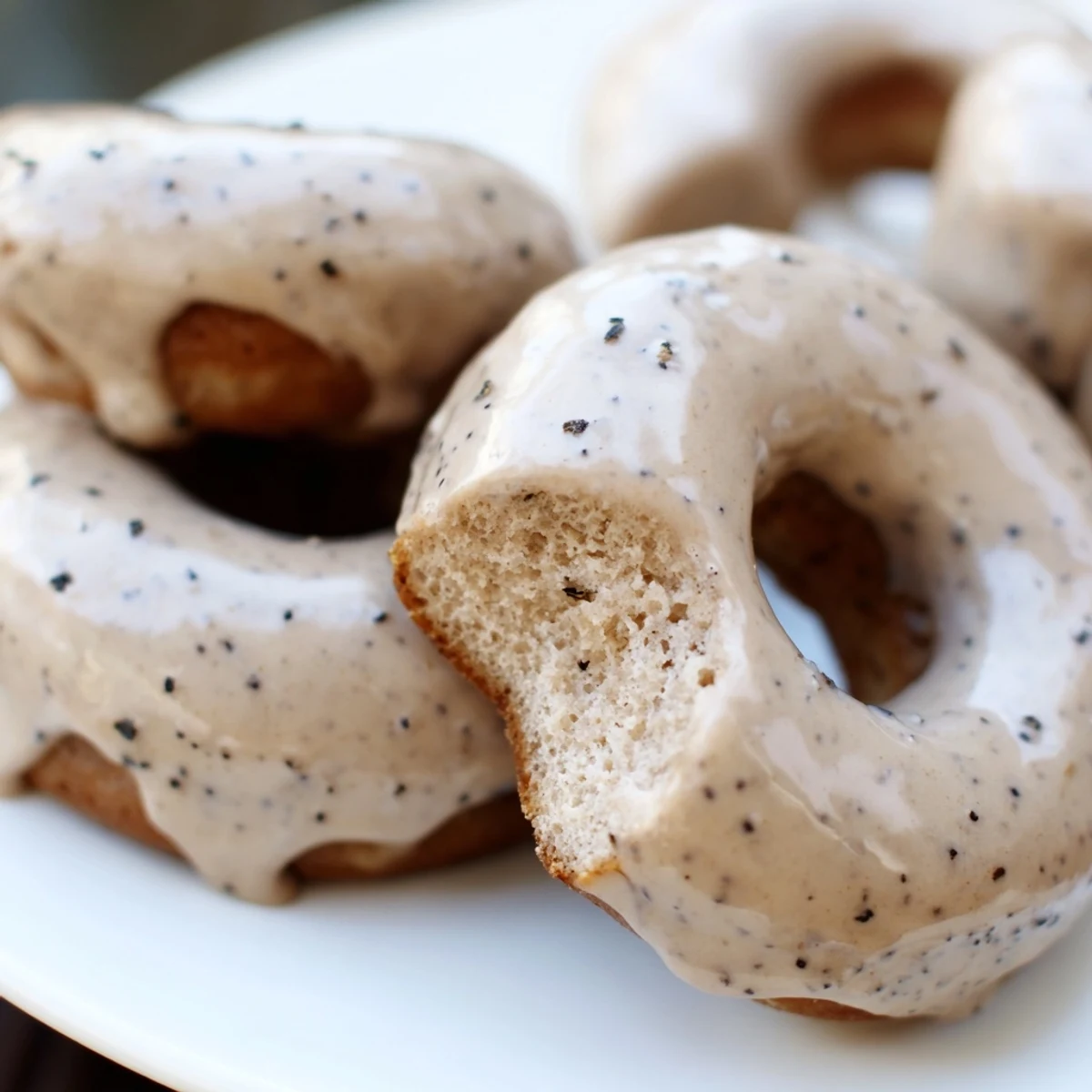
 These delicate mochi donuts combine the chewy texture of Japanese rice flour with the elegant floral notes of Earl Grey tea. The batter gets its distinct flavor from tea-steeped milk, while a sweet glaze infused with brewed tea adds an extra layer of sophistication. Ready in just 40 minutes, these donuts offer a perfect balance of chewy exterior and tender interior, making them an ideal treat for tea lovers seeking something beyond traditional pastries.
Last autumn, during that stretch of rainy afternoons when I was experimenting with everything tea-infused, I accidentally discovered mochi donuts could carry delicate flavors better than any other dough I'd tried. Something about the chewy, springy texture makes it the perfect canvas for Earl Grey's bergamot notes. These emerged from my kitchen on a Sunday when I'd run out of cake flour but had plenty of mochiko sitting in the pantry, and the happy mistake has since become my most requested baking project.
My sister-in-law took one bite and immediately asked for the recipe, which is saying something because she usually claims she doesnt like tea in desserts. The way the glaze sets with that subtle crackle while the donut underneath stays pillowy for hours makes them feel fancy even though theyre surprisingly straightforward to make. I brought them to a book club meeting once and everyone spent more time examining the pretty golden rings than discussing the actual book.
Ingredients
- Mochiko (sweet rice flour): This is the non-negotiable base that gives these donuts their signature chew. Regular flour simply cannot replicate that bounce, and I've learned the hard way that glutinous rice flour from Asian markets is worth seeking out.
- Earl Grey tea: Quality matters here. I use a full-bodied version with visible bergamot oil spots on the leaves because the flavor needs to stand up to the sugar and starch.
- Whole milk: The fat content carries the tea flavor beautifully. I've tried lower-fat versions and the infusion ends up tasting somehow thinner and less aromatic.
- Granulated sugar: Donuts need this for structure, not just sweetness. The sugar helps create that crisp exterior while keeping the inside tender.
- Baking powder: This is what gives the mochi donuts their lift. Too little and they'll be dense little rubber rings, so measure accurately.
- Unsalted butter: Melted butter incorporates more evenly into the batter than soft, and I prefer controlling the salt myself.
- Eggs: Room temperature eggs blend more seamlessly into the batter, creating a smoother texture.
- Powdered sugar: For the glaze, this dissolves instantly into the tea without any graininess. Sift it first or you'll spend five minutes fishing out lumps.
Instructions
- Steep the tea milk:
- Heat the milk until it's just beginning to steam around the edges, then drop in your tea bags. Let it sit for a full ten minutes, then squeeze those bags until they're completely dry—every drop of flavor counts here. The milk needs to cool completely before you use it, so I often do this step first and let it chill while I gather everything else.
- Mix the dry base:
- Whisk the mochiko, sugar, baking powder, and salt together in a large bowl until they're thoroughly combined. There should be no visible clumps of baking powder anywhere.
- Combine wet ingredients:
- In a separate bowl, whisk the melted butter, eggs, that beautiful tea-infused milk, and vanilla until the mixture is smooth and slightly glossy. The eggs should completely disappear into the liquid.
- Bring it together:
- Pour the wet ingredients into the dry and stir gently. The batter will transform from shaggy to smooth fairly quickly, but stop as soon as everything is incorporated. Overmixing won't ruin these, but there's no need to develop any gluten here.
- Fill the pan:
- Spoon or pipe the batter into your donut cavities, aiming for about three-quarters full. I've found a piping bag gives me the cleanest rings, but a spoon and a steady hand works perfectly fine too.
- Bake until puffed:
- Fifteen to eighteen minutes at 350°F is usually perfect. You'll know they're done when the tops feel set and spring back slightly when touched, and a toothpick comes out clean.
- Cool completely:
- Let them rest in the pan for five minutes—this makes them much easier to remove without tearing—then transfer to a wire rack. They need to be fully cool before glazing or the icing will slide right off.
- Make the glaze:
- Whisk powdered sugar, that cooled strong Earl Grey tea, milk, and vanilla until you have something pourable but not runny. It should coat a spoon thickly but still drip off.
- Dip and set:
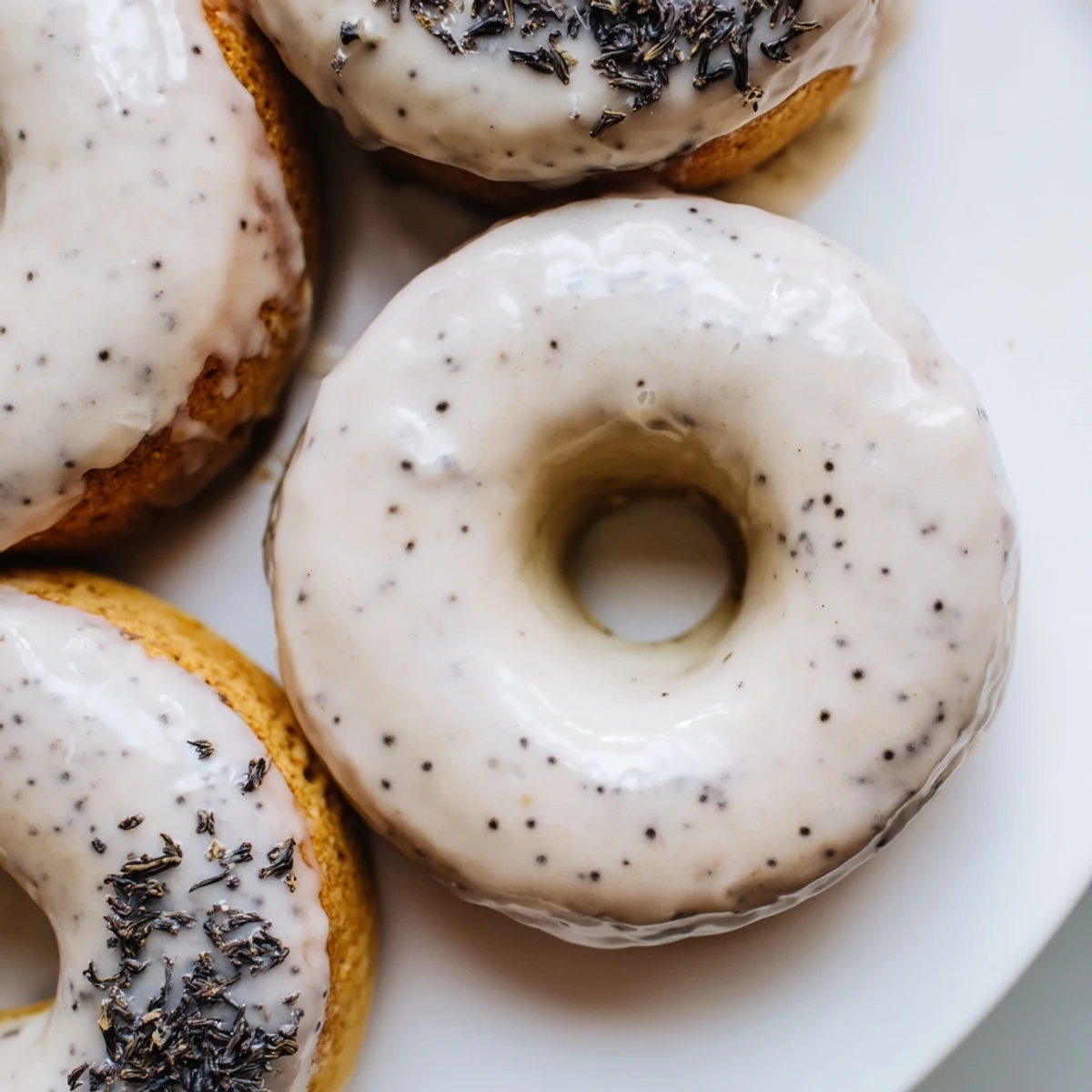
- Dip each cooled donut halfway into the glaze, letting the excess drip off for a second before placing it back on the rack. Fifteen minutes of setting time gives you that perfect crackle when you bite in.
 Pin it
 These donuts have become my go-to when I want to bake something that feels special without requiring the kind of all-day commitment that a layered cake demands. There's something deeply satisfying about watching them puff up in the oven, knowing that distinctive Earl Grey aroma is about to fill the whole house.
Making The Tea Infusion
I've discovered that the secret to really pronounced Earl Grey flavor is in the steeping time and how thoroughly you squeeze those tea bags. The milk should smell distinctly bergamot-scented before you even think about moving on. Some recipes call for infusing butter instead, but I find the milk method gives a more even distribution of flavor throughout every bite.
Getting The Texture Right
Mochi donuts walk this beautiful line between chewy and light that regular donuts simply can't achieve. The first time I made them, I was worried they'd be rubbery, but the combination of rice flour and baking powder creates something almost cloud-like with that signature bounce. They actually stay softer longer than wheat-based donuts, which is a happy bonus.
Storage And Serving
These really are best the same day, when that contrast between the crackly glaze and the tender inside is at its peak. The mochiko keeps them from becoming stale as quickly as regular donuts, but after about two days you'll notice the texture becoming a bit denser. If you somehow have leftovers, a quick ten-second zap in the microwave brings back much of the original softness.
- Place a piece of parchment paper between stacked donuts if you need to store them—the glaze will stick to everything otherwise
- Let them come to room temperature before serving the next day; cold mochi donuts lose some of their wonderful bounce
- The unglazed donuts freeze surprisingly well—just glaze them after you thaw
 Pin it
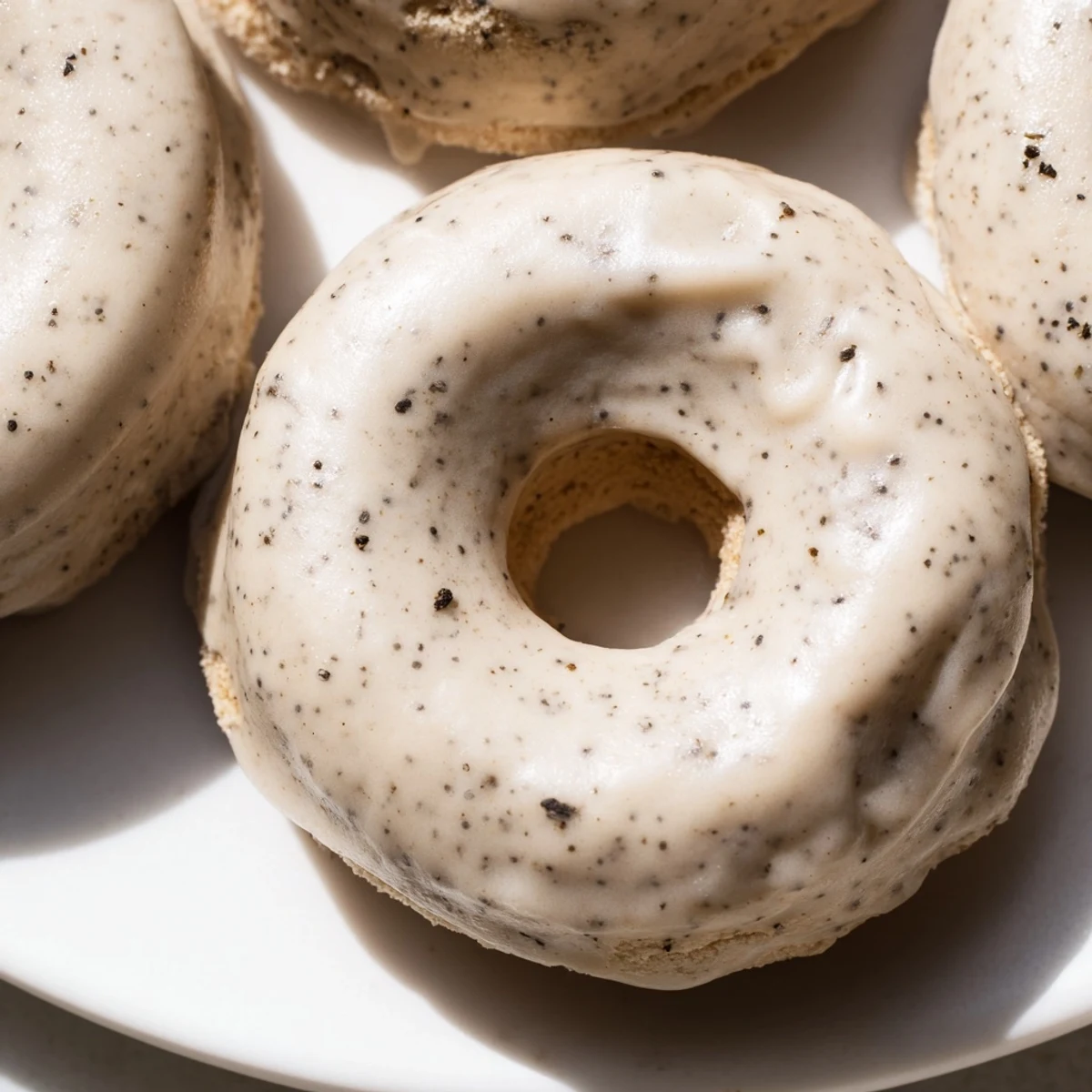
 There's something meditative about dipping each donut into the glaze and watching the excess drip away in slow ribbons. Maybe it's the tea connection, but making these feels like a gentle way to spend an afternoon, especially when you know the first warm bite is waiting at the end.
Recipe FAQ
- → What makes mochi donuts different from regular donuts?
-
Mochi donuts use sweet rice flour (mochiko) instead of wheat flour, creating a distinctively chewy and stretchy texture similar to Japanese mochi. They're lighter and less dense than traditional cake or yeast donuts.
- → Can I make these without a donut pan?
-
Yes, you can use a muffin tin or shape the batter into balls and bake on a parchment-lined baking sheet. Adjust the baking time accordingly—muffins may take 18-20 minutes, while ball shapes may take 12-15 minutes.
- → How do I store Earl Grey mochi donuts?
-
Store in an airtight container at room temperature for up to 2 days. For longer storage, refrigerate for up to 5 days, though they may become slightly firmer. Bring to room temperature before serving for the best texture.
- → Can I make these gluten-free?
-
Look for certified gluten-free mochiko flour, as some brands may process their flour in facilities with wheat. The rest of the ingredients are naturally gluten-free, making this an excellent gluten-free treat when using certified flour.
- → What can I substitute for Earl Grey tea?
-
Other black teas like English Breakfast or Chai work well. For caffeine-free options, try rooibos or chamomile. Adjust the steeping time based on the tea strength—herbal teas may need longer steeping to achieve the same flavor intensity.
- → Why did my donuts turn out dense or hard?
-
Overmixing the batter can develop too much structure, leading to dense donuts. Also ensure you're measuring the mochiko correctly—too much flour creates a tough texture. Finally, don't overbake, as they continue to firm up while cooling.