
 Pin it
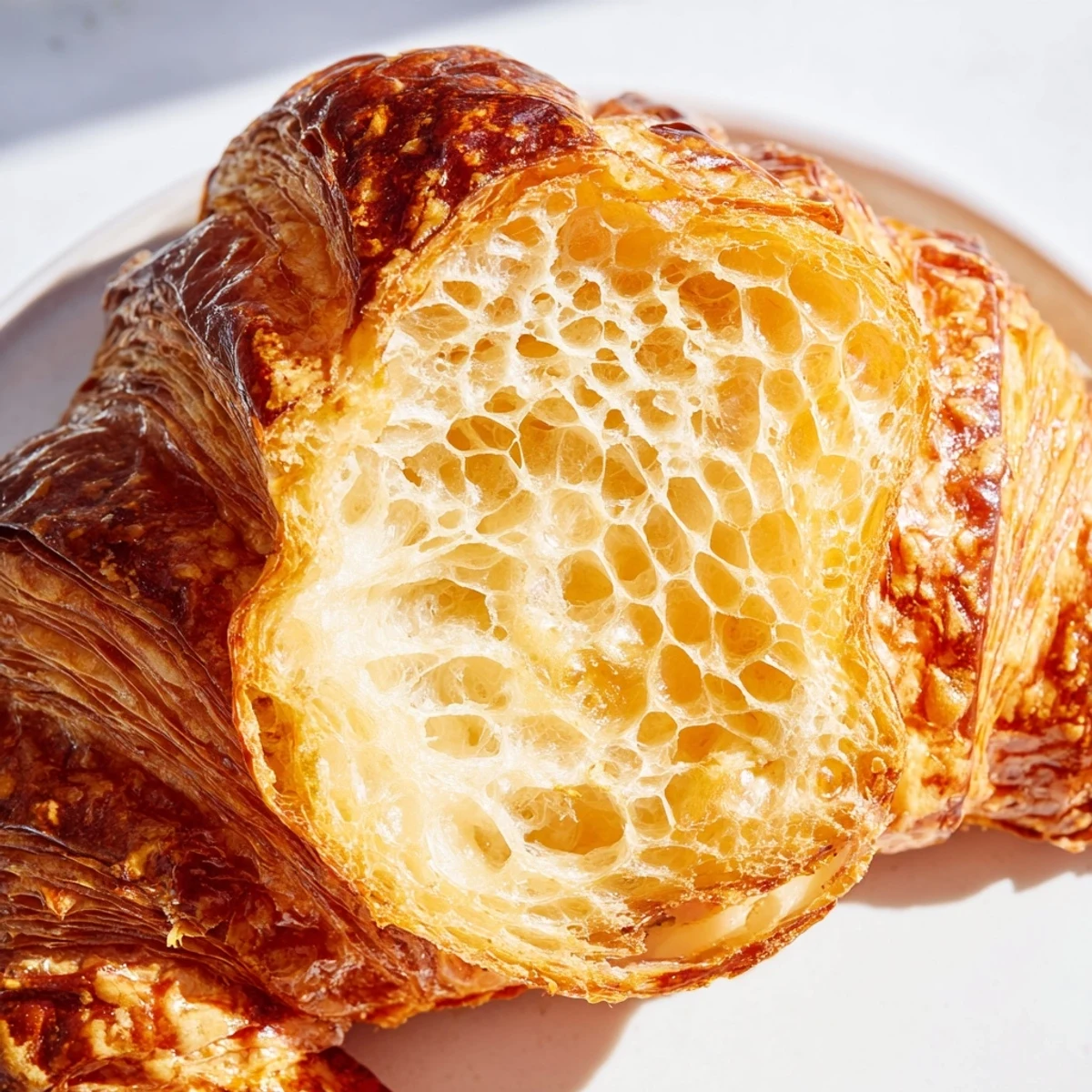
 Master the art of laminated dough with this simplified approach to classic French croissants. The air fryer creates beautifully golden, flaky layers without the need for a professional oven. With just 25 minutes of active preparation and proper chilling time, you'll achieve bakery-quality results at home.
The technique involves creating a butter block, folding it into the dough through a series of turns, and letting the yeast work its magic during the rise. The air fryer's circulating heat ensures even cooking and that signature crisp exterior while keeping the interior tender and buttery.
Enjoy these versatile pastries fresh from the fryer—pair with your morning coffee, fill with chocolate for a sweet variation, or simply savor the pure buttery perfection of a well-made croissant.
The smell of butter hitting a hot pan has always been my love language, but there was something magical about walking into a tiny Parisian café at dawn and watching the baker slide trays of golden croissants out of the oven. I stood there transfixed as the laminated dough shattered into delicate flakes with every bite, wondering how something so ethereal could come from such humble ingredients. That morning became my obsession, and after many failed attempts and a kitchen covered in flour, I discovered that the air fryer could deliver those same flaky layers without the intimidation of a professional oven. Now I make these on lazy Sundays when I want to feel like a pastry chef without leaving my pajamas.
Last Christmas, my sister came to visit and I nervously attempted these croissants for our Christmas morning breakfast. She walked into the kitchen just as I was finishing the final fold, covered in flour with butter smeared on my cheek, and immediately started laughing at my determined chaos. When those first batches came out of the air fryer, golden and steaming, we stood at the counter eating them straight from the tray, burning our fingers and not caring one bit. She still texts me every time she smells baking butter, asking when Im making them again.
Ingredients
- All-purpose flour (250 g): The backbone of your dough, providing structure while still allowing those delicate layers to form during folding
- Granulated sugar (50 g): Just enough to balance the savory butter and help with browning, plus a teaspoon wakes up your yeast
- Salt (1 tsp): Essential for flavor and actually strengthens the gluten network, so do not skip this crucial ingredient
- Active dry yeast (7 g): Your rising agent, dissolved in warm milk with patience until it blooms into a foamy, fragrant mixture
- Warm milk (120 ml): Keep it around 110°F, thinking bathwater warm, because hot water will kill your yeast dreams
- Melted butter (30 g): Adds richness to the dough itself and creates a tender crumb that contrasts with the flaky exterior
- Large egg: Binds everything together and contributes to the golden color and structure of your final croissant
- Cold butter block (170 g): This must be cold and pliable, not rock hard or melting, because temperature control is everything in lamination
- Egg wash: Your golden ticket to that professional bakery sheen that makes everyone think you bought these
Instructions
- Wake up the yeast:
- Dissolve the yeast in warm milk with one teaspoon of sugar, then walk away for five minutes and let it foam up like a tiny science experiment.
- Build the dough:
- Mix flour, remaining sugar, and salt in a large bowl, then add melted butter, egg, and that bubbly yeast mixture until everything comes together.
- Knead with purpose:
- Work the dough for five to eight minutes until it is smooth and elastic, then form it into a ball and let it chill in the fridge for an hour.
- Prepare the butter:
- Smack that cold butter between parchment paper until it becomes a six inch square, then keep it chilled until you are ready for the magic.
- First fold:
- Roll your dough into a twelve inch square, place the butter in the center like a precious package, and fold the dough edges over to seal it completely.
- Create layers:
- Roll everything out into a rectangle, fold into thirds like you are folding a letter, then turn, roll, and fold again before wrapping and chilling.
- Rest and repeat:
- Give the dough thirty minutes in the fridge, then do one more roll and fold sequence before another chilling session to develop all those buttery layers.
- Shape the croissants:
- Roll your dough into a rectangle, cut eight triangles, and roll each one from the wide end to the point, tucking the tip underneath.
- Let them rise:
- Arrange on parchment, cover, and leave in a warm spot until they are puffy and doubled, which takes one to two hours depending on your kitchen temperature.
- Air fry to perfection:
- Brush with egg wash, then cook at 320°F for eight to ten minutes until they are deeply golden and sound hollow when tapped.
 Pin it
 These became my go to whenever friends need comfort, like the time my neighbor was going through a breakup and I brought over a warm batch straight from the air fryer. We sat on her back porch steps eating croissants and drinking coffee, and she told me it was the first time she had felt like eating in days. That is when I realized food is not just about sustenance, sometimes it is about saying I care without using any words at all.
Understanding Lamination
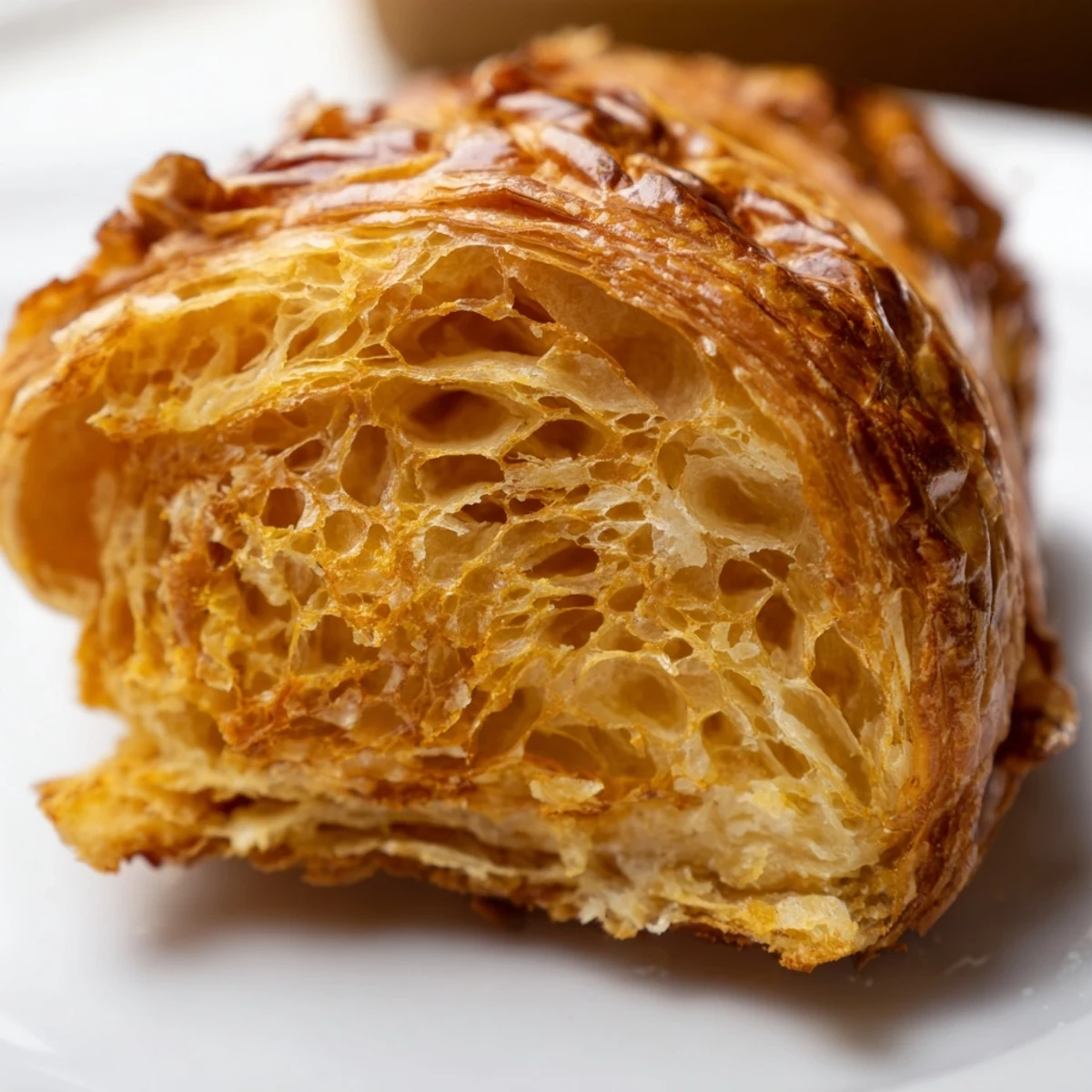
The entire secret to croissants lies in those hundreds of alternating layers of dough and butter, created through the folding process. When the butter melts in the heat of the air fryer, it creates steam that puffs the dough apart, forming those signature flaky pockets. Do not get discouraged if your first few attempts are not bakery perfect because the flavor will still be incredible and your technique will improve with each batch.
Temperature Control
Working with cold dough and cold butter might feel counterintuitive, but temperature management is what separates professional pastry from failed experiments. Keep your workspace cool, work quickly, and never hesitate to pop the dough back in the fridge if it starts feeling soft or sticky. The butter should remain solid but pliable throughout the entire rolling process, creating those distinct layers that make croissants so special.
Make Ahead Strategy
You can shape all the croissants, freeze them on a baking tray until solid, then transfer to a freezer bag for up to two weeks. When the craving strikes, let them thaw and rise overnight before air frying, which means you can have fresh croissants with almost no morning effort.
- Freeze shaped croissants before the final rise for the best texture and flavor
- Let frozen croissants thaw in the refrigerator overnight, then bring to room temperature before baking
- Add an extra minute to the air fry time if baking from slightly chilled
 Pin it
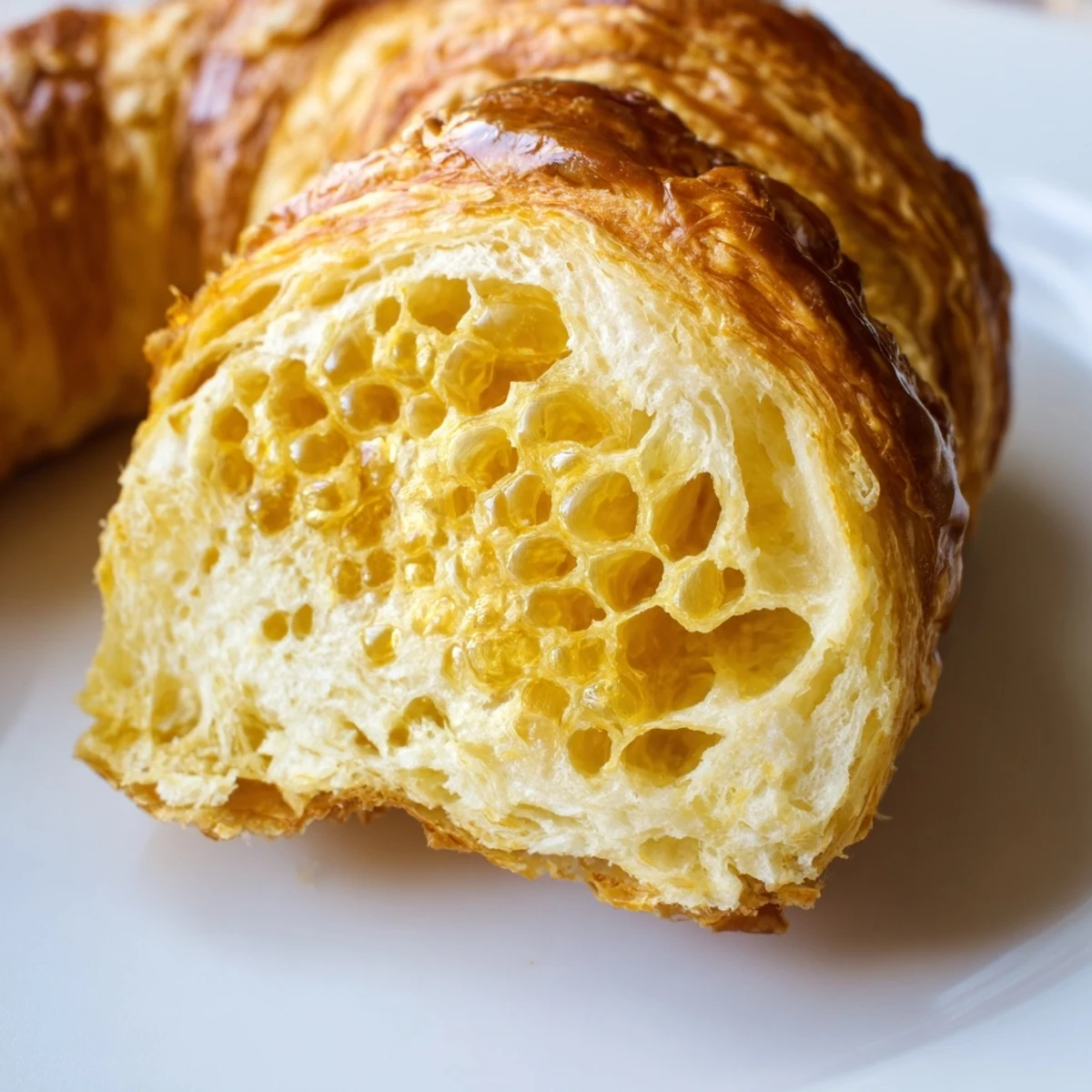
 There is something deeply satisfying about pulling a tray of golden croissants from your air fryer, knowing you created those flaky layers with your own hands. Share them with someone you love, because food tastes better when it is served with a side of joy.
Recipe FAQ
- → Can I make these croissants without an air fryer?
-
Yes, you can bake these in a conventional oven at 375°F (190°C) for 15-20 minutes until golden brown. The air fryer method simply offers faster cooking and energy efficiency.
- → Why do I need to chill the dough multiple times?
-
Chilling keeps the butter cold, which is essential for creating those signature flaky layers. If the butter melts into the dough before baking, you'll lose the lamination effect that makes croissants so light and airy.
- → How do I know when the croissants are properly risen?
-
Properly risen croissants will feel puffy and jiggle slightly when gently touched. They should increase noticeably in size and have a smooth, taut surface. This typically takes 1-2 hours in a warm, draft-free spot.
- → Can I freeze the dough before baking?
-
Absolutely. After the final folding and chilling, wrap the dough tightly and freeze for up to 2 weeks. Thaw overnight in the refrigerator before rolling, cutting, and proceeding with the final rise and air frying.
- → What's the best way to store leftover croissants?
-
Store in an airtight container at room temperature for up to 2 days. For longer storage, freeze individually wrapped and reheat in the air fryer at 300°F (150°C) for 3-4 minutes to restore crispness.
- → Why didn't my croissants get flaky layers?
-
This usually happens when the butter warms up too much during rolling. Ensure your dough and butter block are thoroughly chilled between folds, and work quickly during the rolling process. A warm kitchen can also cause butter to melt prematurely.