
 Pin it
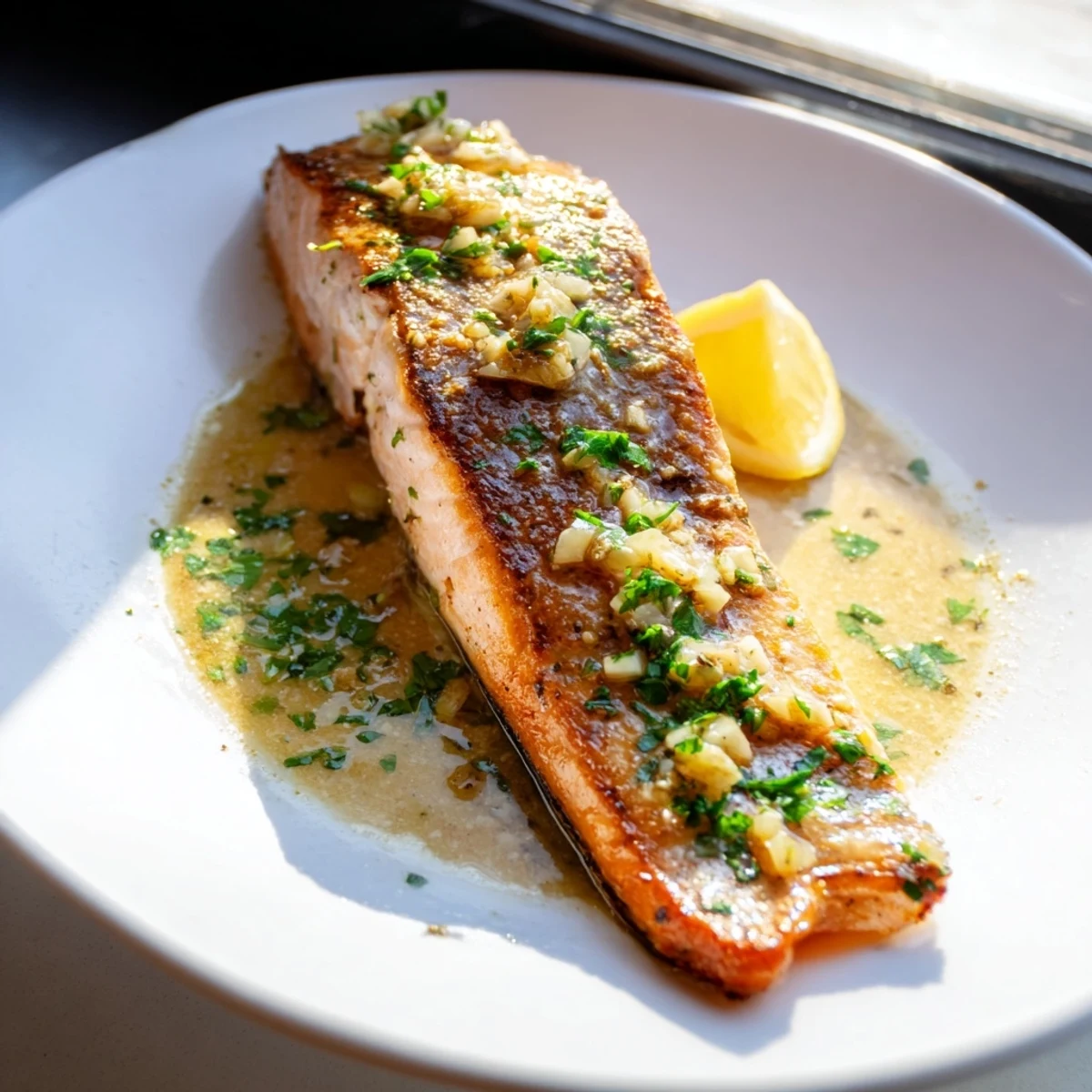
 Tender salmon fillets are pan-seared to crispy-skinned perfection and bathed in a luscious garlic butter sauce spiked with fresh lemon juice and zest.
The whole dish comes together in just 25 minutes, making it an ideal choice for busy weeknights when you still want something elegant on the table.
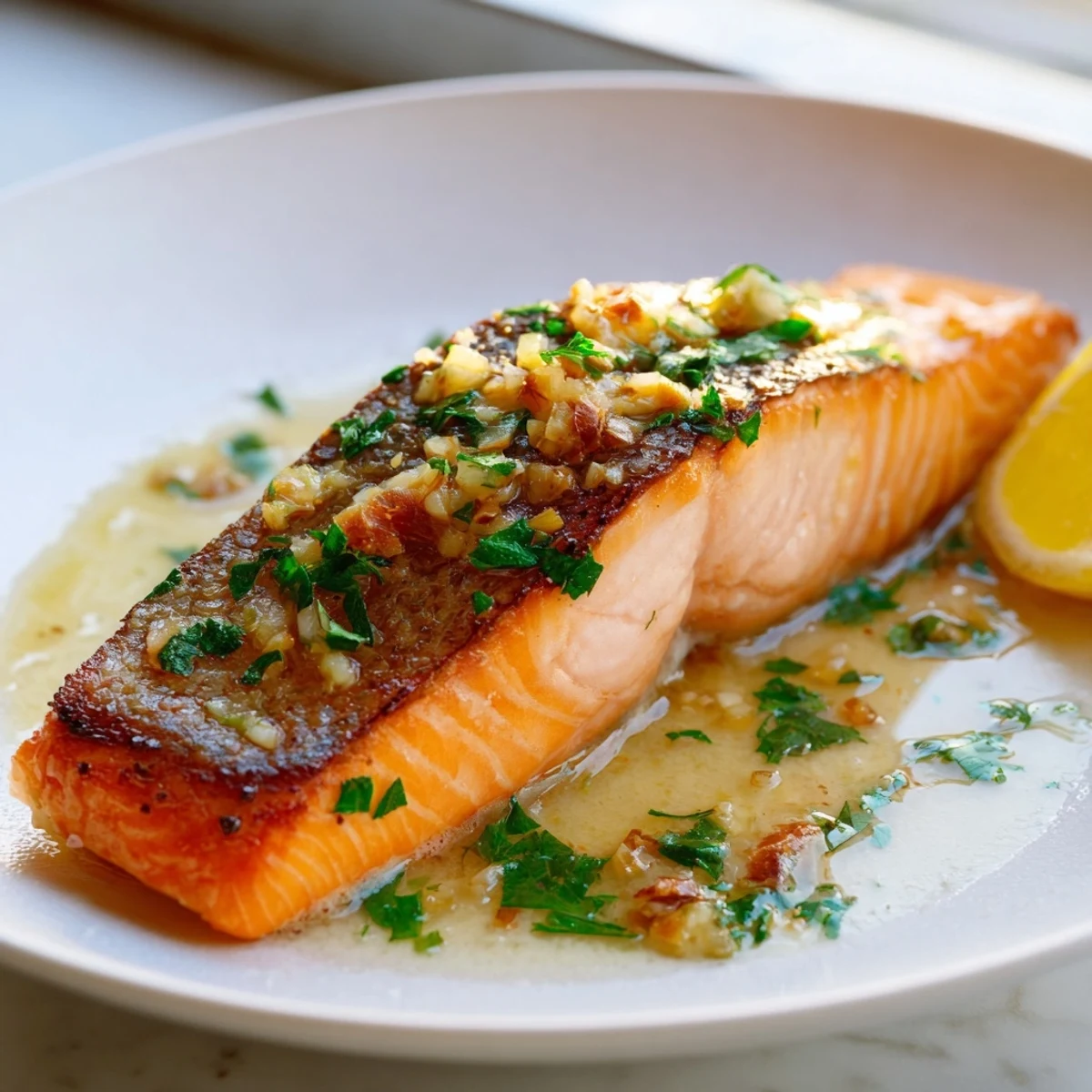
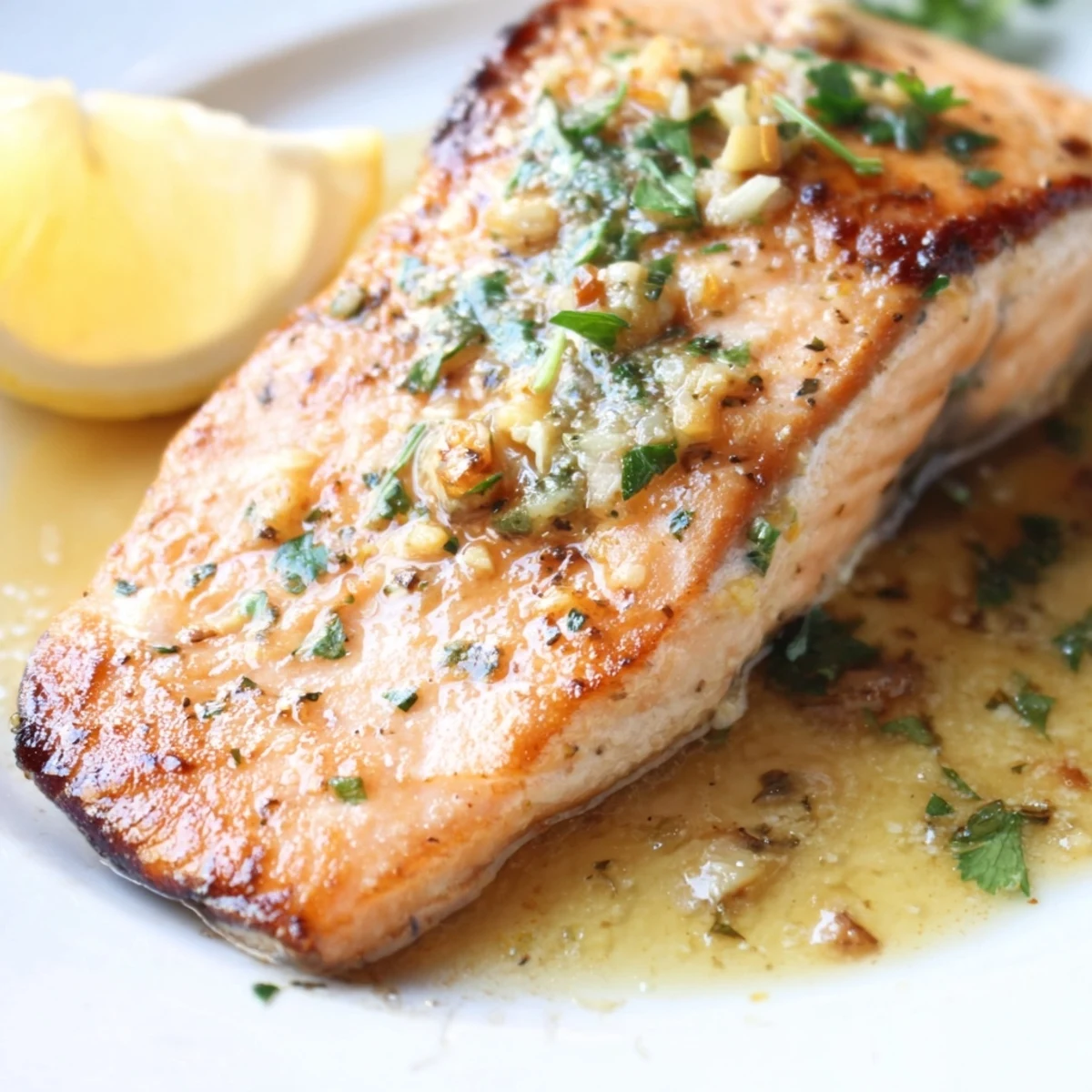
Four generous fillets are seasoned, seared skin-side down for maximum crunch, then flipped and basted with melted garlic butter until flaky and cooked through. A finishing sprinkle of fresh parsley and a squeeze of lemon bring everything together beautifully.
The sizzle of salmon hitting a hot pan is one of those sounds that makes everyone in the house wander toward the kitchen, and garlic butter guarantees they stay. My neighbor once knocked on my door asking what I was cooking because the smell had drifted through our shared hallway, and I ended up inviting her to stay for dinner. That is the kind of recipe this is: generous and impossible to keep to yourself.
One rainy evening I threw this together for my sister who had just landed from a long flight, and she sat at the counter eating straight from the skillet with a fork before I could even set the table.
Ingredients
- 4 salmon fillets (about 170 g each), skin-on: Skin-on fillets hold together beautifully and get that irresistible crispy bottom, so do not let anyone talk you out of it.
- 4 tablespoons unsalted butter: Unsalted gives you total control over seasoning, and you will want every bit of it for basting.
- 4 cloves garlic, minced: Fresh garlic only, and mince it finer than you think you need so it melts into the butter without burning.
- 1 tablespoon freshly squeezed lemon juice: Bottled juice will not give you the same bright lift, so squeeze it fresh right at the end.
- 1 teaspoon lemon zest: The zest holds all the fragrant oils and adds a layer of citrus that the juice alone cannot touch.
- 2 tablespoons chopped fresh parsley: Parsley is not just garnish here; it cuts through the richness and ties everything together.
- 1/2 teaspoon salt: A modest amount in the seasoning lets the butter and garlic carry the flavor forward.
- 1/4 teaspoon freshly ground black pepper: Freshly cracked pepper has a warmth and bite that pre-ground simply cannot replicate.
- Lemon wedges and extra parsley for garnish: Optional in theory, but a squeeze of lemon at the table changes the whole experience.
Instructions
- Dry and season the salmon:
- Pat each fillet thoroughly with paper towels until the surface is matte dry, then season both sides with salt and pepper, pressing gently so it adheres.
- Get the pan hot:
- Set a large skillet over medium-high heat and drop in half the butter, letting it melt until it foams and the bubbles begin to subside.
- Lay the salmon skin-side down:
- Place each fillet gently into the foaming butter and let it cook undisturbed for 4 to 5 minutes until the skin turns deeply golden and crisp and the flesh is cooked most of the way through.
- Flip and build the sauce:
- Carefully flip each fillet, add the remaining butter and garlic to the pan, and cook for another 2 to 3 minutes while tilting the skillet to spoon the foaming garlic butter over the top of each piece.
- Finish with lemon:
- Pour in the lemon juice and scatter the zest across the pan, giving everything a gentle swirl so the sauce comes together, then pull it off the heat.
- Serve right away:
- Sprinkle generously with chopped parsley and slide the fillets onto warm plates with a few lemon wedges alongside.
 Pin it
 There is something quietly powerful about setting down a plate of food that makes people stop talking mid-sentence.
Serving Suggestions That Actually Work
Steamed green beans or roasted asparagus pair perfectly because their slight crunch balances the richness of the butter sauce.
A Quick Word on Substitutions
If parsley is not your favorite, dill brings a cool Scandinavian twist and chives add a gentle onion warmth, so choose based on what you love.
Tools That Make This Easier
A fish spatula with its thin flexible blade will give you the confidence to flip without fear, and a citrus zester is worth the tiny investment for moments like this.
- A cast-iron skillet holds heat beautifully but a good nonstick pan works just as well if that is what you have.
- Keep a small ladle or spoon handy for basting because those repeated pours of butter are what make this dish sing.
- If dairy is a concern, a quality plant-based butter works surprisingly well, just taste for salt before adding more.
 Pin it
 Cook this once and it will become the recipe you reach for when you want something wonderful without any fuss. Trust the butter and enjoy every last bite.
Recipe FAQ
- → Should I remove the salmon skin before cooking?
-
Keeping the skin on during cooking helps protect the flesh and creates a delicious crispy texture. Start by searing skin-side down for 4-5 minutes until golden and crisp. You can remove the skin after cooking if preferred, but many people enjoy eating it.
- → How do I know when the salmon is fully cooked?
-
Salmon is done when it flakes easily with a fork and reaches an internal temperature of 63°C (145°F). The flesh should turn from translucent to opaque pink. Avoid overcooking, as salmon continues to cook slightly after removing it from the heat.
- → Can I use frozen salmon fillets?
-
Yes, but thaw them completely in the refrigerator overnight before cooking. Pat the fillets very dry with paper towels before seasoning and searing to ensure proper browning and crispy skin.
- → What sides pair well with garlic butter salmon?
-
Steamed vegetables like asparagus or broccoli complement the richness beautifully. Fluffy white rice, roasted baby potatoes, or a light mixed green salad also work wonderfully. The garlic butter sauce doubles as a dressing for whatever you serve alongside.
- → Can I make this dairy-free?
-
Absolutely. Substitute the unsalted butter with a good-quality plant-based butter alternative. Choose one designed for cooking and sautéing rather than a spread, as it will perform more similarly to traditional butter in the pan.
- → What type of skillet works best for searing salmon?
-
A cast-iron skillet or heavy-bottomed nonstick pan works best. Cast iron retains heat evenly for a superior crust, while nonstick makes flipping easier. Avoid thin pans that create hot spots and lead to uneven cooking.