
 Pin it
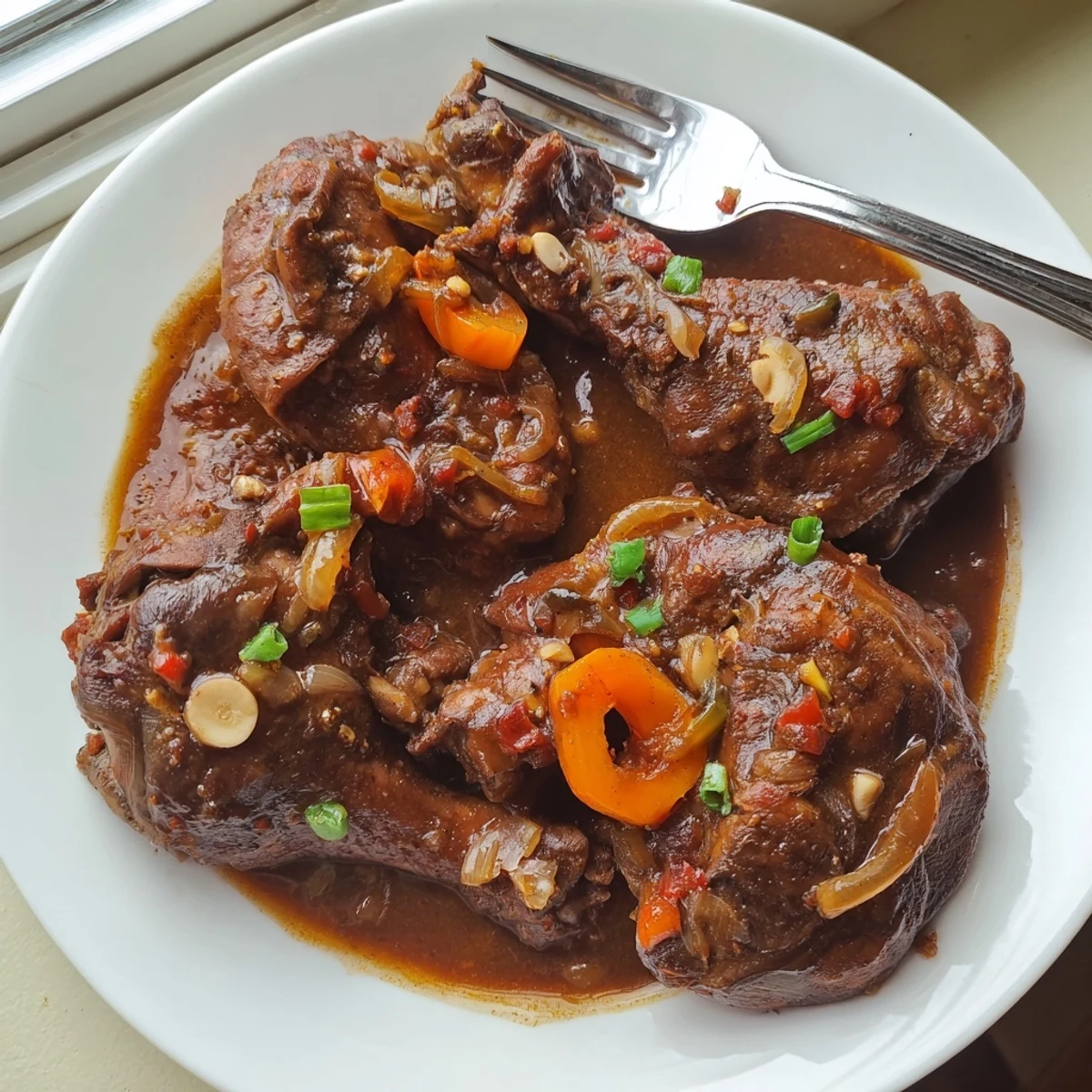
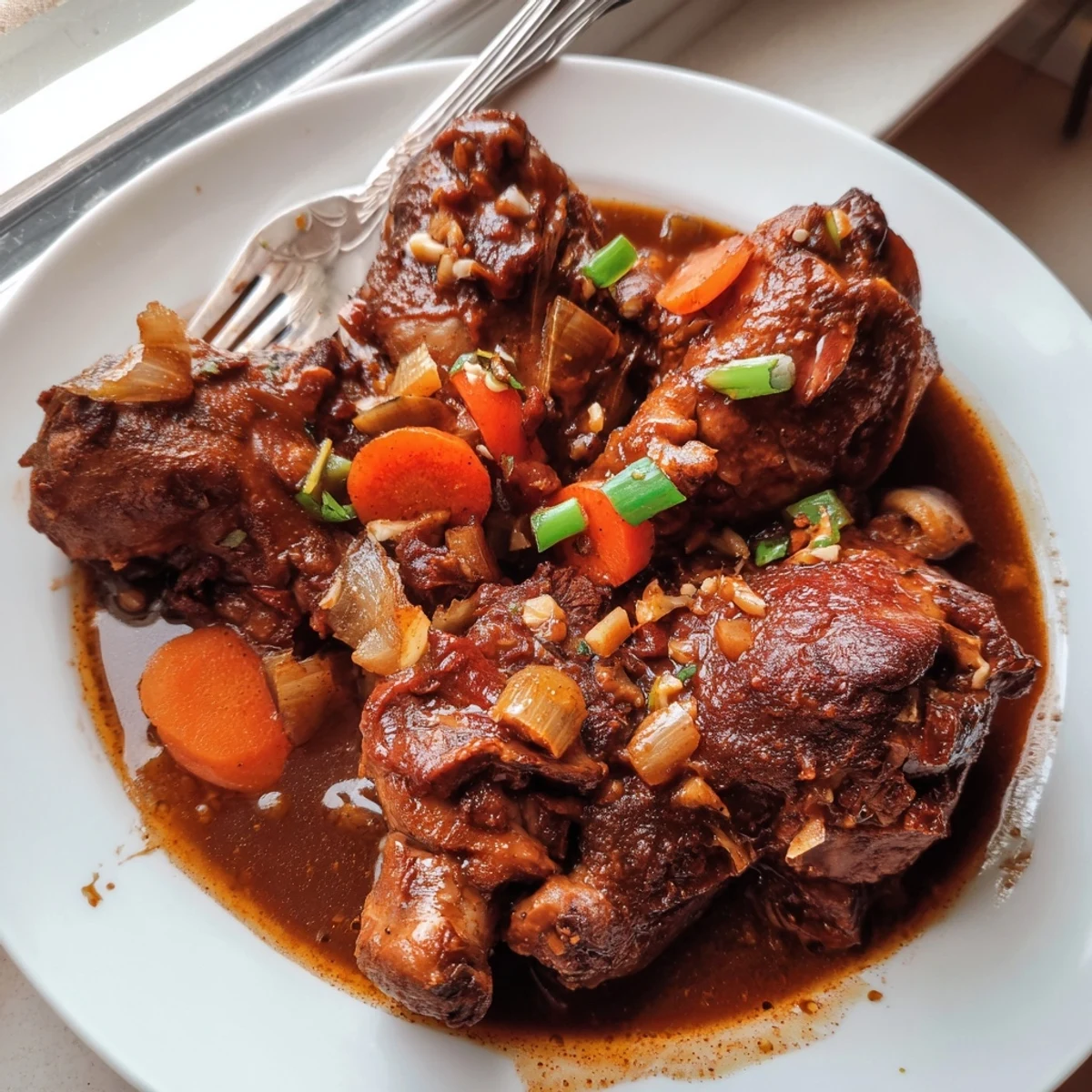
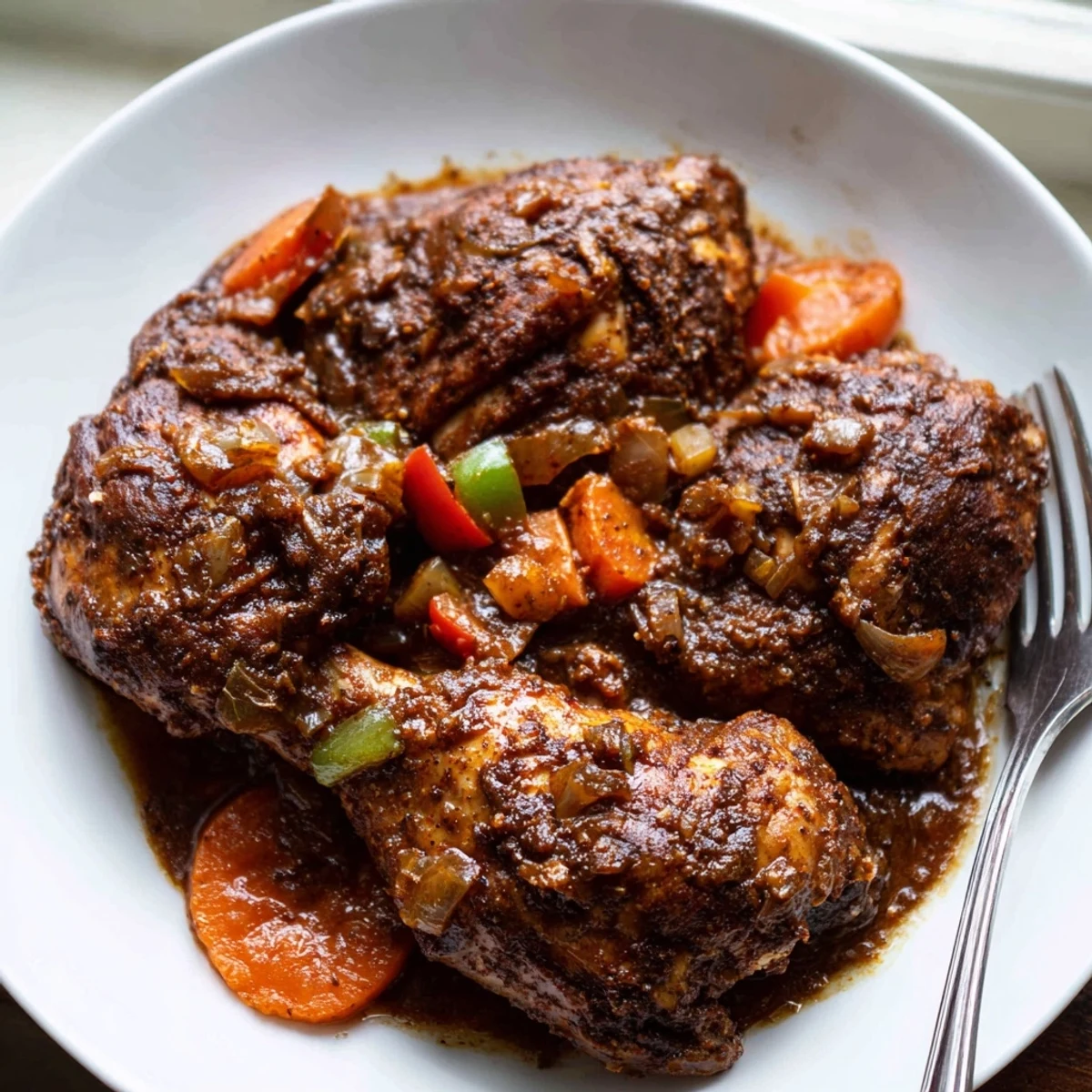
 This Jamaican brown stew chicken delivers tender, juicy pieces bathed in a deeply spiced, rich gravy that captures the essence of Caribbean cooking. Bone-in chicken is marinated with garlic, thyme, Scotch bonnet pepper, scallions, and browning sauce, then seared to develop a dark, caramelized crust. Bell peppers, carrots, and tomatoes build the sauce, while ketchup, soy sauce, and chicken broth create layers of savory depth. After a slow simmer, the meat falls off the bone and the sauce thickens into something you'll want to spoon over rice and peas or fried plantains.
My downstairs neighbor in Brooklyn used to cook this on Sunday mornings and the smell would drift up through the vents for hours. I finally knocked on her door with a container of rice and asked what that incredible aroma was. She laughed and handed me a handwritten recipe on the back of an envelope.
I made this for a birthday dinner once and a friend who swore she did not eat meat went back for thirds. She still texts me about that chicken at least once a month and I have stopped pretending it bothers me.
Ingredients
- Bone-in skinless chicken pieces: The bone keeps the meat juicy during the long simmer and adds body to the gravy that boneless cuts simply cannot replicate
- Browning sauce: This is not soy sauce or worcestershire, it is a caramelized sugar sauce and it is what gives Jamaican stew chicken its signature dark color
- Scotch bonnet pepper: Deseed it carefully with gloves because the oils will stay on your fingers for hours and you do not want to accidentally touch your eye
- Fresh thyme: Dried thyme will not give you that bright herbal backbone that cuts through the richness of the stew
- Lime juice and vinegar: This cleaning step is traditional in Caribbean cooking and it genuinely changes the flavor of the meat by removing any residual gamey taste
- Tomato ketchup: Sounds unusual but it adds a subtle sweetness and acidity that balances the soy sauce and browning perfectly
Instructions
- Clean and prep the chicken:
- Rub the chicken pieces with lime juice and vinegar, rinse thoroughly under cold water, and pat completely dry with paper towels. This step is nonnegotiable if you want that clean bright taste the dish is known for.
- Marinate with intention:
- Combine the chicken with sea salt, black pepper, all-purpose seasoning, browning sauce, minced garlic, thyme sprigs, chopped scallions, Scotch bonnet, onion, and paprika. Use your hands to really massage the marinade into every crevice, then cover and refrigerate for at least one hour or preferably overnight.
- Sear for depth:
- Heat vegetable oil in a heavy Dutch oven over medium-high heat, shake off excess marinade from the chicken, and brown the pieces in batches for about six to eight minutes per side. That brown fond left on the bottom of the pot is pure flavor so do not rush this step.
- Build the sauce:
- Sauté sliced bell pepper, carrots, and chopped tomato in the same pot for two to three minutes until they just begin to soften.
- Bring it all together:
- Return the chicken to the pot along with the reserved marinade, ketchup, chicken broth, and soy sauce. Stir everything together, bring to a simmer, then cover and drop the heat to low.
- Low and slow finish:
- Cook covered for forty-five to fifty-five minutes, stirring occasionally, until the chicken is fall-off-the-bone tender and the sauce has thickened into a rich gravy. Fish out the thyme stems, taste for seasoning, and serve immediately.
 Pin it
 My neighbor told me the real secret is patience and that her grandmother would cook this on a coal pot for two hours. I cannot replicate that over a gas stove but I have learned that the lowest possible simmer gets me closer than anything else.
Serving It Right
Rice and peas is the traditional pairing but steamed white rice absorbs the gravy just as beautifully. Fried plantains on the side add a sweet contrast that cuts the heat from the Scotch bonnet in the most satisfying way.
Making It Ahead
This dish tastes even better the next day after the flavors have had time to really settle into the meat. Store it in the fridge and reheat gently on the stove with a splash of water or broth to loosen the sauce.
Common Mistakes to Avoid
After making this dozens of times I have figured out where most people go wrong and it usually comes down to temperature control and ingredient substitutions.
- Do not substitute the browning sauce with anything else because there is no real replacement for what it does
- Do not skip the overnight marinade if you have the time because the difference in flavor depth is dramatic
- Always taste the gravy before serving because the salt level can shift during the long simmer
 Pin it
 This chicken has become the dish I make when I want someone to feel genuinely welcomed in my home. Good food does not need to be complicated, it just needs to be made with care.
Recipe FAQ
- → What cut of chicken works best for Jamaican brown stew?
-
Bone-in, skinless chicken pieces like thighs and drumsticks are traditional because they hold up to long simmering and stay juicy. Boneless thighs work too and cook faster.
- → How long should the chicken marinate?
-
At least one hour, but overnight in the refrigerator gives the deepest flavor penetration. The longer the marinade sits, the more pronounced the garlic, thyme, and Scotch bonnet notes become.
- → Can I adjust the heat level?
-
Absolutely. Deseeding the Scotch bonnet reduces heat significantly. Use half a pepper for mild warmth or leave the seeds in if you want fiery intensity. You can also substitute with a milder habanero.
- → What is browning sauce and where can I find it?
-
Browning sauce is a caramelized sugar-based condiment that gives the stew its signature dark color and slight sweetness. Look for it in Caribbean grocery stores or the international aisle of larger supermarkets.
- → What should I serve with Jamaican brown stew chicken?
-
Steamed white rice or rice and peas are the classic pairings. Fried plantains, dumplings, or a simple side salad also complement the rich, saucy chicken beautifully.
- → Can I make this ahead of time?
-
Yes, the flavors actually improve overnight. Reheat gently on the stove over low heat, adding a splash of broth if the sauce has thickened too much.