
 Pin it
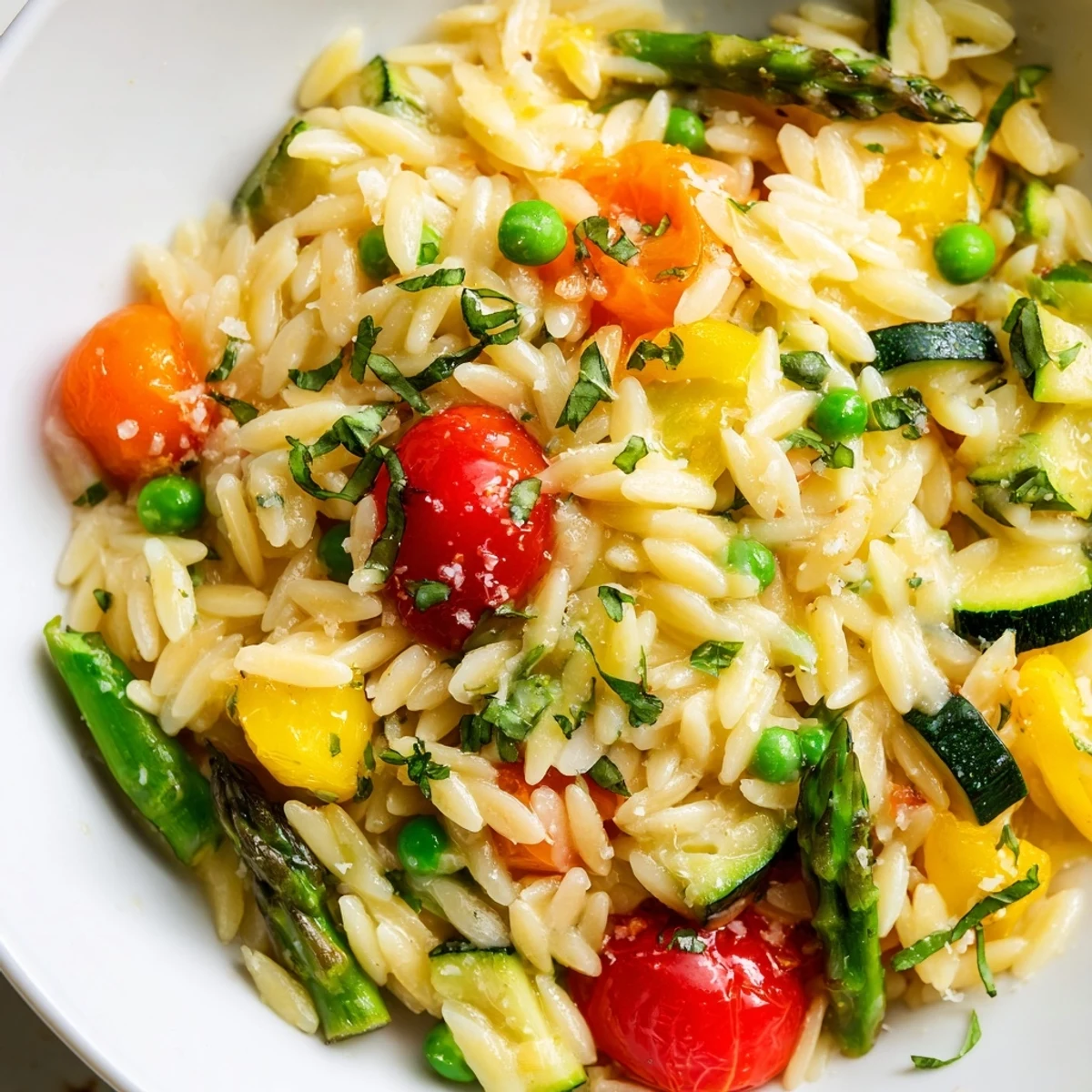
 Experience the taste of Italian spring with this vibrant orzo dish featuring tender pasta and crisp seasonal vegetables. The combination of zucchini, cherry tomatoes, bell pepper, asparagus, and sweet peas creates a colorful medley that's as beautiful as it is delicious. A light sauce infused with garlic, lemon zest, Parmesan, and fresh herbs brings everything together in just 35 minutes.
Perfect for busy weeknights or casual entertaining, this vegetarian main dish delivers restaurant-quality results with minimal effort. The creamy texture comes from cleverly using pasta water and Parmesan rather than heavy cream, keeping it light yet satisfying. Serve alongside crusty bread and a crisp white wine for a complete meal.
The first time I made orzo primavera, I was rushing to feed unexpected guests who had dropped by on a rainy Sunday afternoon. I grabbed whatever vegetables were wilting in my crisper drawer, not expecting much, but when I brought that steaming bowl to the table, everyone went quiet for a full minute. That's when I learned that the simplest ingredients, treated with respect, can create something magical enough to make people forget they were hungry.
Last spring, my neighbor Sarah brought me an overflowing basket of vegetables from her garden, and this recipe became our Tuesday night staple for months. We'd sit on her back porch with steaming bowls, watching the fireflies come out while the kids played, and somehow the conversation always turned to how this dish manages to taste like celebration food despite being so simple to throw together.
Ingredients
- 250 g orzo pasta: This rice shaped pasta hugs the sauce and vegetables perfectly, though I have used regular small pasta shells in a pinch
- 1.5 L water: You will reserve some of this starchy cooking liquid to create that silky creamy texture without any cream
- 1 tsp salt: Salt your pasta water generously, it is your only chance to season the orzo from the inside out
- 1 small zucchini, diced: Choose firm, smaller zucchinis as they have fewer seeds and a more tender texture
- 1 cup cherry tomatoes, halved: They burst slightly during cooking, releasing their sweet juices into the sauce
- 1 yellow bell pepper, diced: The yellow variety is sweeter and more mellow than red, adding beautiful color contrast
- 1 cup asparagus, cut into 2 cm pieces: Snap off the woody ends first, they should break naturally at the right spot
- 1 cup fresh or frozen peas: Frozen peas work beautifully here and are often sweeter than fresh out of season
- 2 tbsp olive oil: Use a good quality extra virgin olive oil as it forms the base of your sauce
- 3 cloves garlic, minced: Fresh garlic is non negotiable here, granulated garlic cannot replicate the aromatic punch
- 1/2 cup grated Parmesan cheese: Buy a wedge and grate it yourself, pre grated cheese has anti caking agents that prevent proper melting
- Zest of 1 lemon: The zest carries the essential oils, giving you bright lemon flavor without acid
- 2 tbsp fresh lemon juice: Add this at the very end to preserve its fresh, zesty brightness
- Salt and black pepper, to taste: Taste as you go, different brands of Parmesan have different salt levels
- 2 tbsp chopped fresh basil: Tear the basil leaves by hand instead of chopping to prevent bruising
- 2 tbsp chopped fresh parsley: Flat leaf parsley has more flavor than curly varieties
Instructions
- Cook the orzo to perfection:
- Bring the water and 1 tsp salt to a rolling boil in a large pot, add the orzo, and cook until al dente according to package directions. Drain the pasta but absolutely do not rinse it, and remember to reserve 1/2 cup of that golden starchy cooking water before you pour off the rest.
- Build your aromatic foundation:
- Heat the olive oil in a large skillet over medium heat until it shimmers, then add the minced garlic and let it sizzle for just 1 minute until fragrant. Watch carefully like a hawk because garlic can turn from perfectly golden to bitter in seconds.
- Sauté the vegetables until just tender:
- Add the zucchini, cherry tomatoes, bell pepper, asparagus, and peas to the fragrant garlic oil. Cook for 4 to 5 minutes, stirring occasionally, until the vegetables are tender crisp and the tomatoes have started to release their juices.
- Combine everything into a creamy sauce:
- Add the drained orzo to the skillet with the vegetables, then pour in that reserved pasta water, Parmesan cheese, lemon zest, and lemon juice. Toss everything together vigorously until the cheese melts and the starch from the pasta water creates a silky sauce that clings to every grain.
- Season and finish with fresh herbs:
- Taste the dish and season with salt and pepper as needed, then remove the skillet from heat completely. Stir in the fresh basil and parsley gently, letting their perfume mingle with the steam rising from the bowl.
- Serve immediately while the cheese is still melting and the vegetables are vibrant, topped with extra Parmesan and a few more herb leaves for those who love a generous finish.
 Pin it
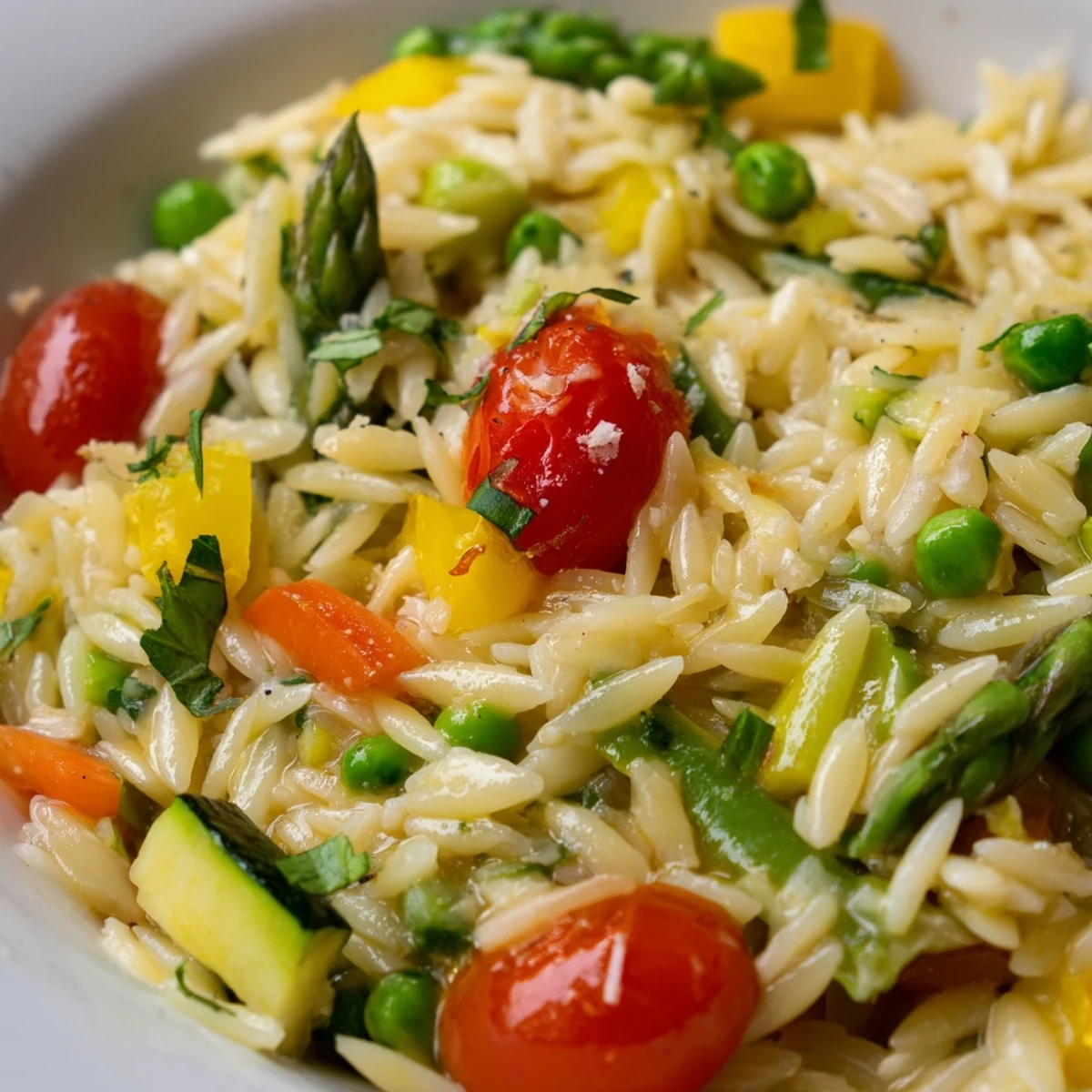
 This recipe has become my go to for bringing to friends who need a meal, because it travels well, reheats beautifully, and somehow tastes even better the next day as the flavors meld together. Last month, my friend Maria told me it was the first meal her picky toddler had ever asked for seconds, which felt like the highest compliment I could possibly receive.
Making It Your Own
The beauty of this dish lies in its adaptability through the seasons. In summer, I swap in corn and fresh green beans, while winter calls for roasted butternut squash and hearty kale. The method stays the same, but the character changes entirely, making this a recipe you can return to all year long.
Perfect Wine Pairings
A crisp Pinot Grigio cuts through the Parmesan richness while complementing the fresh vegetables, but I also love a Sauvignon Blanc for its grassy notes that echo the herbs and asparagus. For something unexpected, try a dry rosé, its slight strawberry brightness plays beautifully against the lemon and basil.
Meal Prep Magic
This recipe is a meal prep dream because the flavors actually improve overnight as the orzo absorbs more of the lemon and garlic. Portion it into glass containers on Sunday, and you will look forward to lunch all week, especially when topped with a fresh grating of Parmesan right before eating.
- Store the pasta and vegetables separately from the fresh herbs if making ahead more than one day
- Add a splash of water or olive oil when reheating because the pasta will continue to absorb moisture
- The dish can be frozen for up to a month, though the vegetables will lose some of their crisp texture
 Pin it
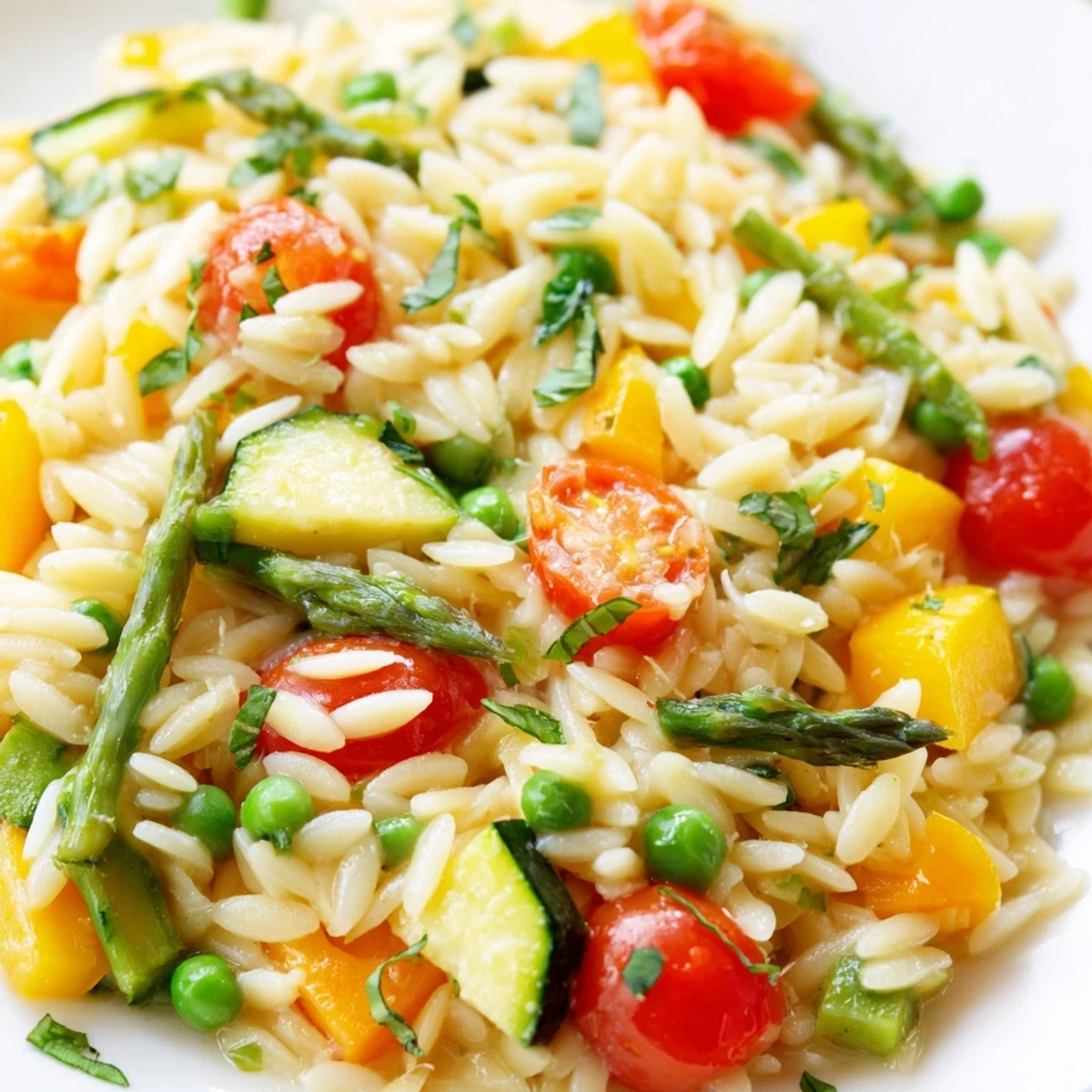
 There is something deeply satisfying about a dish that takes humble ingredients and transforms them into something that makes people close their eyes and hum with pleasure. This orzo primavera has that special magic, and I hope it finds its way into your regular rotation, just as it has in mine.
Recipe FAQ
- → What vegetables work best in orzo primavera?
-
Spring vegetables shine in this dish—zucchini, cherry tomatoes, bell peppers, asparagus, and peas provide a mix of colors, textures, and flavors. Feel free to substitute based on what's fresh and available.
- → Can I make orzo primavera ahead of time?
-
Yes, you can prepare the vegetables and cook the orzo up to a day in advance. Store them separately in the refrigerator. When ready to serve, reheat gently with a splash of water or olive oil to restore creaminess.
- → How do I prevent the orzo from becoming mushy?
-
Cook the orzo until al dente according to package directions, then drain immediately. Reserving some pasta water helps create the silky sauce and prevents the dish from drying out during final assembly.
- → What can I use instead of Parmesan cheese?
-
Nutritional yeast works beautifully for a vegan version, offering a similar savory umami flavor. Pecorino Romano makes an excellent traditional substitute, though it's slightly saltier than Parmesan.
- → Is orzo primavera suitable for meal prep?
-
Absolutely. Portion the cooled dish into airtight containers and refrigerate for up to 4 days. Reheat in the microwave with a tablespoon of water, adding fresh herbs just before serving to maintain their bright flavor.
- → Can I add protein to this dish?
-
Grilled chicken, sautéed shrimp, or crispy chickpeas make excellent additions. Cook your protein separately and fold it in during the final step to maintain its texture and prevent overcooking.