
 Pin it
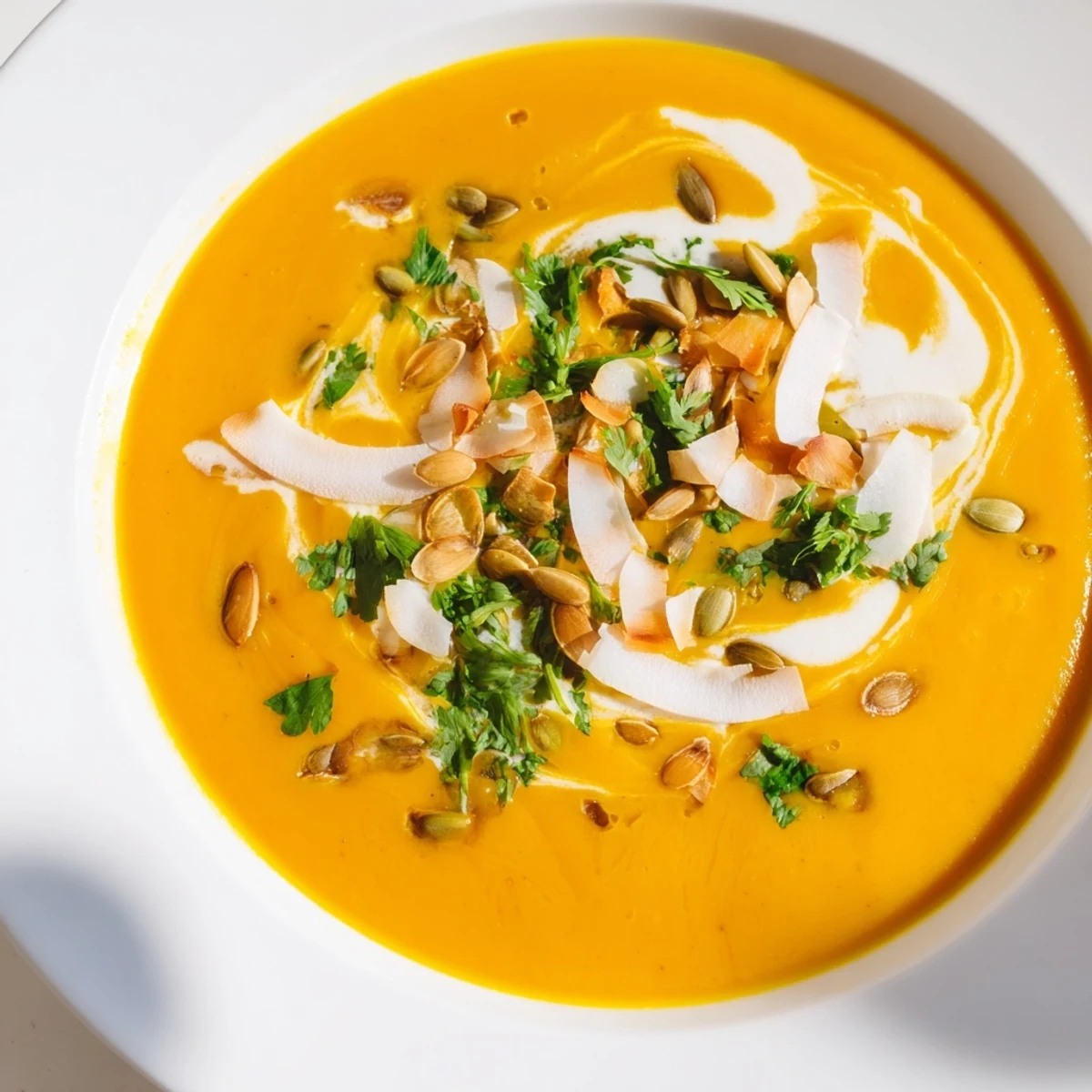
 This soup features sweet carrots roasted to caramelized perfection alongside fresh ginger and garlic. Once simmered with vegetable broth and blended smooth, it’s enriched with creamy coconut milk and a hint of lime juice for brightness. Warm spices like cumin and coriander add depth, while optional garnishes such as toasted coconut flakes and pumpkin seeds provide texture. It’s an easy, nourishing dish that suits vegan and gluten-free diets, ideal for any time you want a cozy, fragrant meal.
There's something magical about the moment you crack open the oven door and the kitchen fills with that sweet, caramelized carrot aroma mixed with sharp ginger heat. I discovered this soup by accident, actually—I had roasted too many carrots for a weeknight dinner and didn't want to waste them, so I tossed them into a pot with broth and thought, why not? The result was so silky and warming that it became my go-to whenever I need something that feels both elegant and effortless. Now I make it regularly, and every time my guests ask if I spent hours on it.
I'll never forget serving this to my friend Maya, who'd been stressed about hosting her first dinner party. She watched me blend those golden roasted vegetables into something that looked restaurant-quality, and the relief on her face was instant. She made it herself the next week and texted me a photo of her guests with bowls in hand, looking genuinely impressed.
Ingredients
- Carrots (1 kg, peeled and chunked): The star here—choose ones that feel firm and sweet if you can, and roasting brings out their natural sugars in a way nothing else does.
- Yellow onion (1 medium, chopped): It melts into the background but gives the soup a subtle sweetness and body; don't skip it even though you won't taste distinct onion flavors.
- Garlic (2 cloves, peeled): Roasting softens garlic into something almost buttery, so it perfumes the soup without any harsh edge.
- Fresh ginger (1 tablespoon, peeled and sliced): This is what makes people wonder what the secret ingredient is—use fresh every time because ground ginger won't give you that bright, warming zing.
- Olive oil (2 tablespoons): Just enough to coat and help everything caramelize without making the final soup greasy.
- Vegetable broth (750 ml): Use one you actually like drinking—it becomes the foundation of the whole dish.
- Coconut milk (400 ml, full-fat): The full-fat version matters because it creates that luxurious mouthfeel; light coconut milk leaves it tasting thin.
- Fresh lime juice (1 tablespoon): A squeeze at the end lifts everything and keeps the soup from feeling too heavy, even with all that coconut.
- Ground cumin and coriander (1 teaspoon and 1/2 teaspoon): These warm spices are toasted onto the vegetables before roasting, which intensifies them in a way you can't achieve by stirring them in at the end.
- Salt and black pepper: Taste as you go—the broth already has salt, so go easy at first.
Instructions
- Heat your oven and prep:
- Set it to 200°C (400°F) and give it a few minutes to reach temperature while you chop the carrots into roughly even chunks—about the size of large dice. Uneven pieces cook unevenly, and you want everything tender at the same time.
- Season and roast:
- Toss your carrots, onion, garlic, and ginger with olive oil, cumin, coriander, salt, and pepper on a baking sheet. Spread them in a single layer and let them roast for 25 to 30 minutes, stirring halfway through if you remember. You're looking for edges that are slightly darkened and caramelized, not burnt—that's where the magic happens.
- Build the soup base:
- Scrape everything from the baking sheet into a large pot and pour in the vegetable broth. Bring it to a gentle simmer over medium heat and let it bubble quietly for 5 to 10 minutes so the flavors can mingle and soften even more.
- Blend until silky:
- Using an immersion blender, puree the soup directly in the pot until it's completely smooth—no chunks hiding. If you're using a countertop blender, work in batches and be careful with the heat; you can always blend in smaller portions and take your time.
- Finish with coconut and lime:
- Stir in the coconut milk and lime juice, then warm everything through over low heat, stirring occasionally. This is when you taste and adjust—more salt, more pepper, or even a squeeze more lime if it needs brightening.
- Serve with intention:
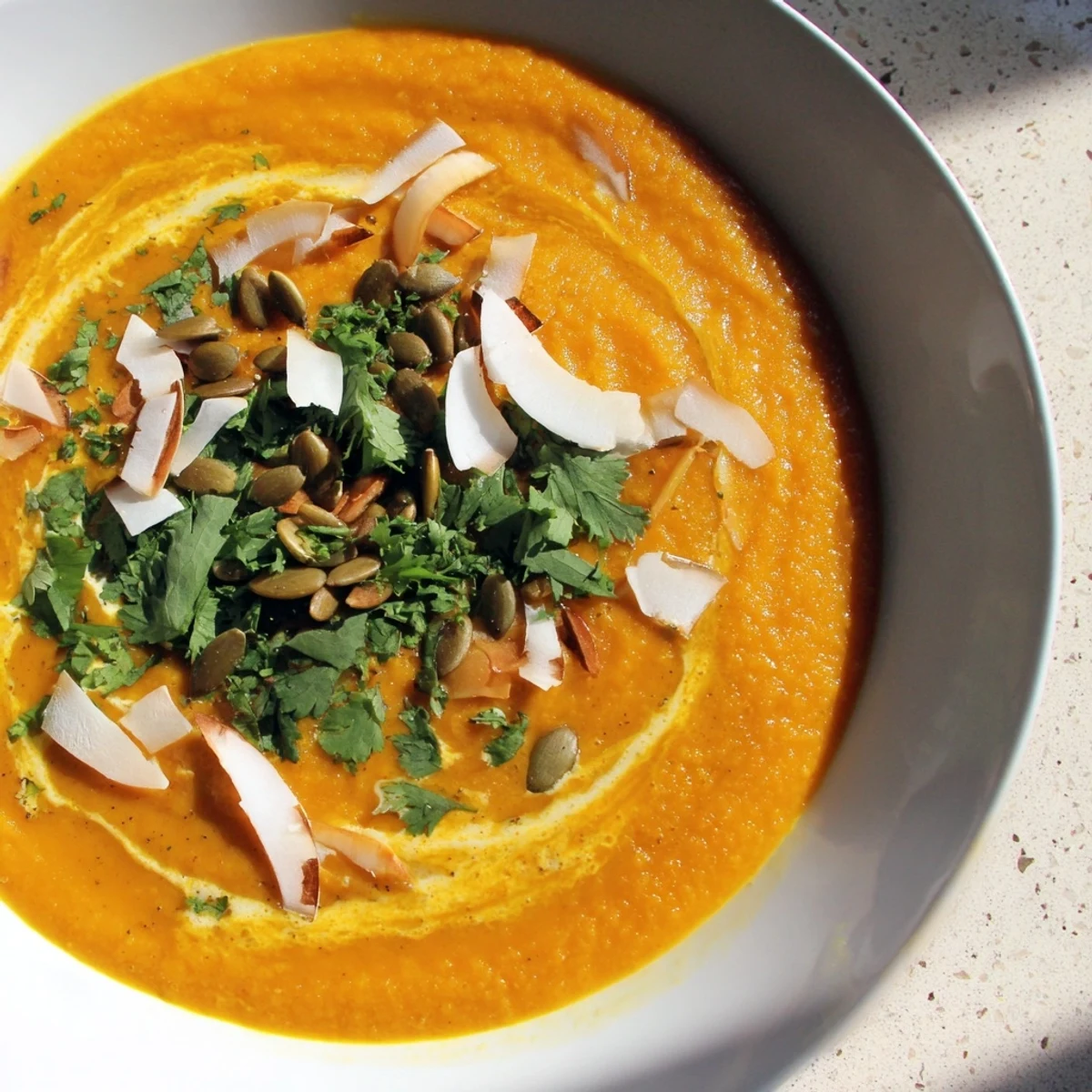
- Ladle into bowls and top with whatever calls to you: fresh coriander, toasted coconut flakes, or pumpkin seeds for a little crunch and earthiness.
 Pin it
 My partner once told me this soup reminds them of being held and comforted—they didn't even know what was in it, just that it made them feel cared for. That's when I realized it's not just the ginger and coconut that make this special; it's the time you take to roast those carrots slowly, layer by layer, creating something that tastes like attention.
Why Roasting Changes Everything
Raw vegetables are fine, but roasted vegetables are a different animal entirely. When heat hits the carrots and their natural sugars, they caramelize—they transform from something sweet into something with depth, almost nutty complexity. The ginger becomes mellow and aromatic rather than sharp, and the onion and garlic lose their harsh edges and turn into silky sweetness. This is the secret that separates a good soup from one that tastes like you actually care.
Customizing Without Losing the Soul
This soup is forgiving enough to play with, but there's a balance. I've tried swapping sweet potatoes for carrots and it's genuinely good—slightly earthier, a bit less sweet—but the roasting and the coconut milk are what make it work, so don't skip those steps. If you want it spicier, add chili flakes when you season the vegetables before roasting rather than stirring them in later; the heat becomes integrated instead of prickly. Some people stir in a splash of coconut cream at the end for extra decadence, and I won't argue with that choice.
Pairing and Serving Moments
Serve this with something crusty—good bread soaks up the last silky spoonfuls and makes you feel like you're in a café somewhere warm. A dollop of plain yogurt if you're not vegan adds a tangy contrast that brightens the whole bowl, and honestly, a crisp Sauvignon Blanc on the side is how I've discovered this soup tastes like the best version of itself. You can also make it the morning of and reheat it gently before serving, which means you're free to focus on people instead of cooking when guests arrive.
- Never reheat at a hard boil—keep the flame low and stir occasionally to prevent scorching on the bottom.
- Leftover soup keeps beautifully in the fridge for four days, and it tastes even better the next day as flavors deepen.
- If you're doubling the recipe for a crowd, the roasting time might extend by 5 to 10 minutes depending on your oven, so keep an eye on it.
 Pin it
 This soup has become my answer to the question, 'What do you make when you want to feel like you've got your life together?' It's simple enough to make on a Tuesday night but impressive enough to serve when people matter. That's the whole thing right there.
Recipe FAQ
- → What adds the creamy texture to this dish?
-
The coconut milk enriches the soup, giving it a smooth and creamy texture without dairy.
- → Can I substitute the carrots with another vegetable?
-
Yes, sweet potatoes make a great alternative, offering a similar sweetness and creamy finish.
- → How are the flavors developed in this blend?
-
Roasting the vegetables caramelizes the carrots and onion, enhancing natural sweetness while spices like cumin and coriander add warmth.
- → Is it possible to make this soup spicier?
-
Adding chili flakes before roasting the vegetables will introduce a gentle heat and extra depth.
- → What garnishes complement this preparation well?
-
Fresh chopped coriander or parsley, toasted coconut flakes, and pumpkin seeds add texture and freshness.
- → What tools are recommended for smooth blending?
-
An immersion blender or a countertop blender can be used to create the velvety consistency desired.