
 Pin it
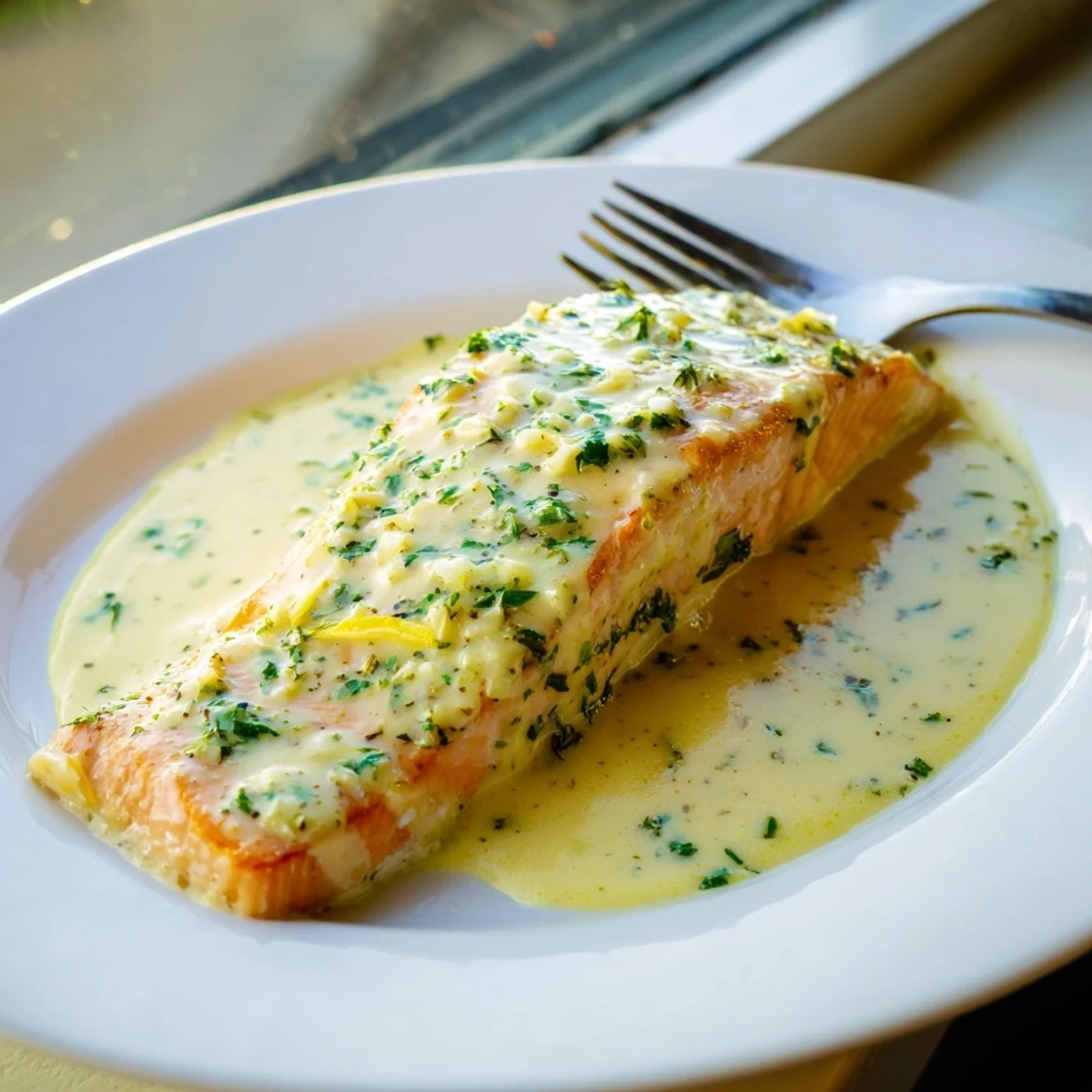
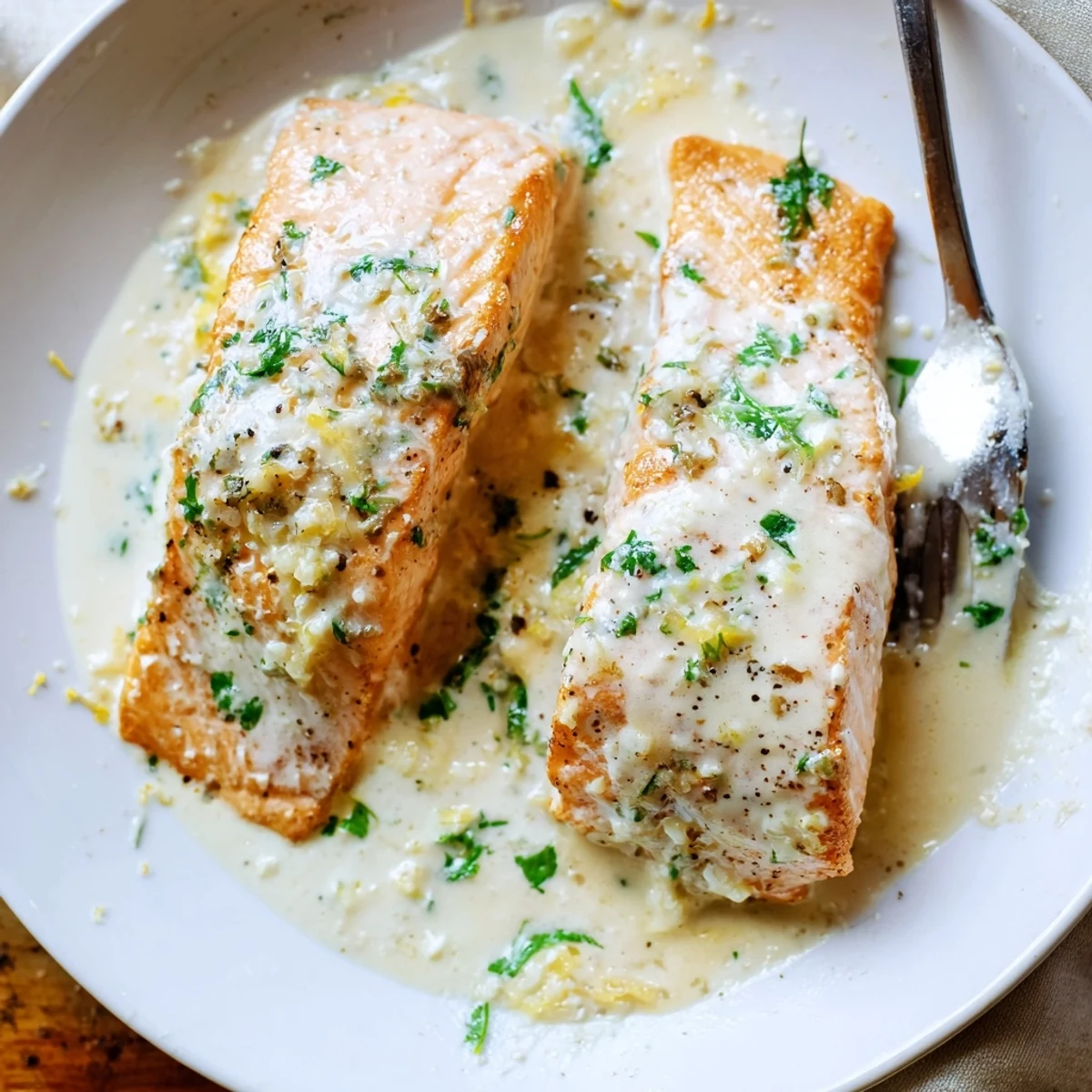
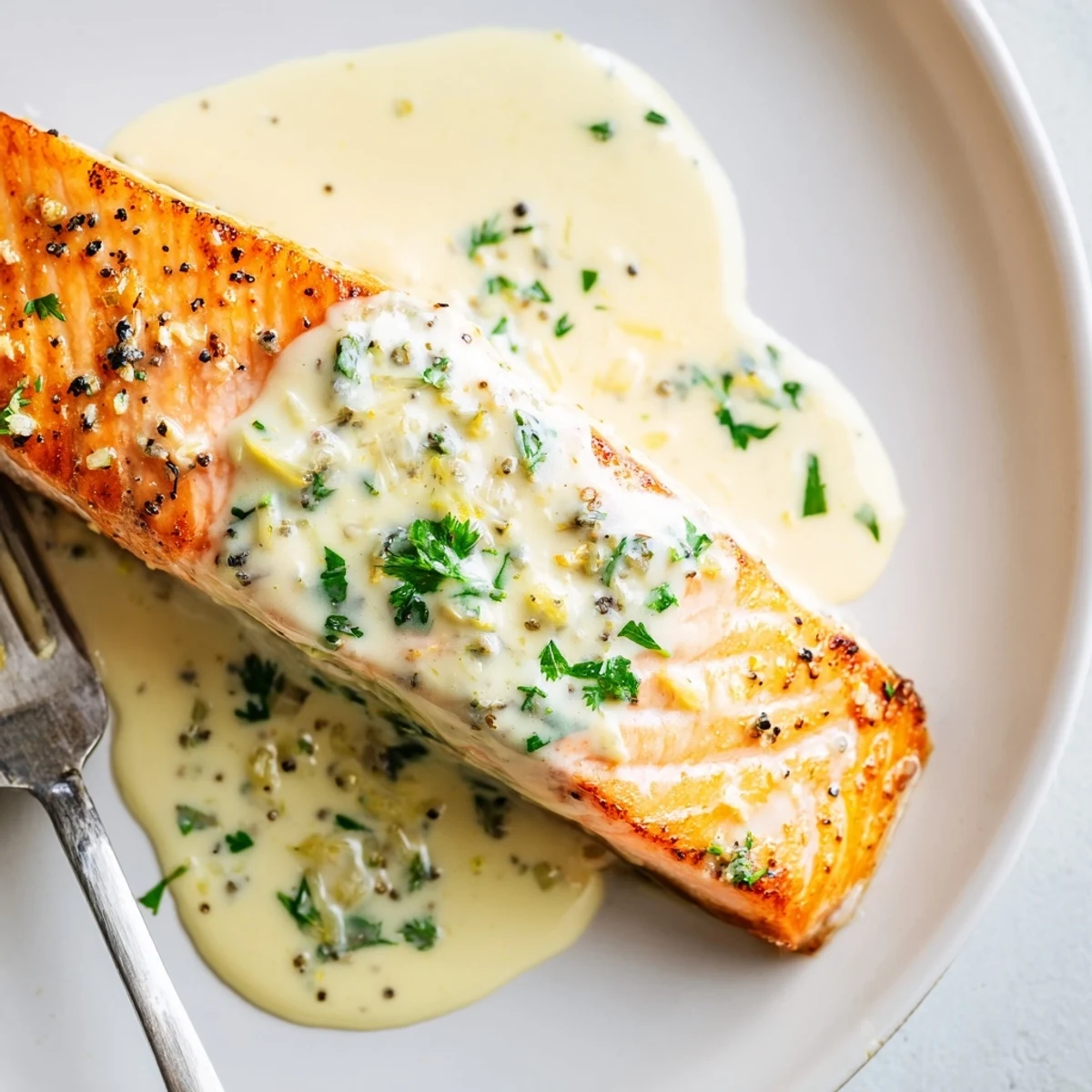
 This elegant European-style dish features tender pan-seared salmon with a golden crust, complemented by a velvety lemon cream sauce. The sauce balances rich heavy cream with bright lemon juice and zest, while Dijon mustard adds subtle depth and fresh parsley brings herbal freshness.
Perfect for weeknight dinners or special occasions, this pescatarian-friendly meal comes together in just 30 minutes. The salmon develops a beautiful sear in the skillet, while the sauce simmers in the same pan, incorporating all the flavorful browned bits.
The sizzle of salmon hitting a hot pan is one of those sounds that makes everyone in the house wander toward the kitchen, pretending they need a glass of water. My sister used to stand at the counter with a piece of bread, waiting to mop up whatever sauce I was making, and this lemon cream version was her favorite theft. Thirty minutes later, we would have clean plates and the kind of satisfied silence that means nobody needs to say a word about the meal.
One rainy evening, I made this for a friend who claimed she did not like salmon, and she cleaned her plate before I even sat down. That转换 moment, watching someone reconsider a food they had written off, is why I keep this recipe in constant rotation.
Ingredients
- Salmon fillets, 4 pieces, 150 to 180 g each: Skin on gives you a crisp edge, but skinless works beautifully if you prefer less fuss.
- Olive oil, 1 tablespoon: A neutral oil works too, but olive oil adds a gentle fruitiness that rounds out the butter later.
- Salt and black pepper: Season generously on both sides, do not be shy.
- Unsalted butter, 2 tablespoons: This forms the backbone of the sauce, so use good butter if you have it.
- Garlic, 2 cloves, minced: Fresh garlic makes a difference here because it cooks so briefly.
- Heavy cream, 1 cup: This is what makes the sauce luxurious and thick.
- Dijon mustard, 1 teaspoon: Just a whisper of heat and depth that most people cannot quite identify but always love.
- Lemon juice, 1 tablespoon, plus more to taste: Fresh squeezed only, the bottled kind tastes flat and metallic next to cream.
- Lemon zest, 1 teaspoon: This is where the bright perfume lives, do not skip it.
- Fresh parsley, 2 tablespoons, chopped: Stirred in at the end for color and a grassy freshness that cuts through the richness.
Instructions
- Prep the fish:
- Pat each salmon fillet thoroughly dry with paper towels and season both sides well with salt and pepper. Dry fish sears better and seasons more evenly.
- Sear the salmon:
- Heat olive oil in a large skillet over medium high heat until it shimmers, then lay the fillets in gently, skin side down if applicable. Cook for 4 to 5 minutes per side until the exterior is golden and the center is just set, then transfer to a plate and tent loosely with foil.
- Start the sauce:
- Reduce the heat to medium and melt the butter in the same unwashed skillet. Add the minced garlic and stir for about 30 seconds until you can smell it bloom through the kitchen.
- Build the cream base:
- Pour in the heavy cream and Dijon mustard, stirring to scrape up any golden bits stuck to the pan. Let it simmer gently for 3 to 4 minutes, stirring often so it does not scorch on the bottom.
- Add the lemon:
- Stir in the lemon juice and zest, then season with salt and pepper to taste. Let it bubble for another 2 minutes until it coats the back of a spoon.
- Finish with herbs:
- Remove from heat and fold in the chopped parsley. Taste once more and add another squeeze of lemon or pinch of salt if it needs brightening.
- Bring it together:
- Return the salmon to the skillet and spoon the warm sauce over each fillet, letting it reheat gently for a minute or two. Serve right away with extra parsley and lemon wedges on the side.
 Pin it
 The first time I served this at a small dinner gathering, the conversation stopped entirely for about five minutes, which is honestly the highest compliment a home cook can receive.
What to Serve Alongside
Steamed asparagus, roasted baby potatoes, or a simple rice pilaf are the companions I reach for most often. The sauce is versatile enough that it doubles as a dressing for whatever sides you choose, so drizzle generously and let everything mingle on the plate.
Wine and Drink Pairing
A chilled Sauvignon Blanc echoes the citrus in the sauce beautifully, while a lightly oaked Chardonnay leans into the cream and butter. If you prefer not to drink alcohol, sparkling water with a wedge of lemon keeps the mood festive without competing with the food.
Storage and Reheating
Leftovers keep well in an airtight container in the fridge for up to two days, though the texture of the fish changes slightly upon reheating.
- Reheat gently in a skillet over low heat rather than using a microwave.
- If the sauce has thickened too much in the fridge, loosen it with a splash of cream or water.
- Freezing is not recommended because the cream sauce will separate upon thawing.
 Pin it
 This is the kind of recipe that turns a quiet weeknight into something worth remembering, one silky lemony bite at a time.
Recipe FAQ
- → How do I know when the salmon is cooked through?
-
The salmon is done when it flakes easily with a fork and the internal temperature reaches 145°F (63°C). The flesh should turn from translucent to opaque throughout, and the surface should have a golden-brown crust from pan-searing.
- → Can I make this dairy-free?
-
Yes, substitute the heavy cream with full-fat coconut milk or a dairy-free cream alternative. For the butter, use olive oil or a plant-based butter substitute. The sauce may have a slightly different consistency but will still be delicious.
- → What sides pair well with this salmon?
-
Steamed asparagus, roasted potatoes, rice pilaf, or crusty bread work beautifully. The creamy sauce also complements roasted vegetables like Brussels sprouts, green beans, or a simple arugula salad with vinaigrette.
- → Can I use frozen salmon fillets?
-
Yes, thaw them completely in the refrigerator overnight before cooking. Pat them very dry with paper towels to remove excess moisture, which helps achieve better searing and prevents the fish from becoming watery.
- → How long will the leftovers keep?
-
Store leftovers in an airtight container in the refrigerator for up to 2 days. Reheat gently in the microwave or in a skillet over low heat. The sauce may separate slightly when reheated—simply whisk it to combine again.
- → Can I make the sauce ahead of time?
-
The sauce can be made 1-2 hours ahead and kept warm over very low heat, or refrigerated and gently reheated. If it thickens too much, add a splash of cream or water to reach the desired consistency.