
 Pin it
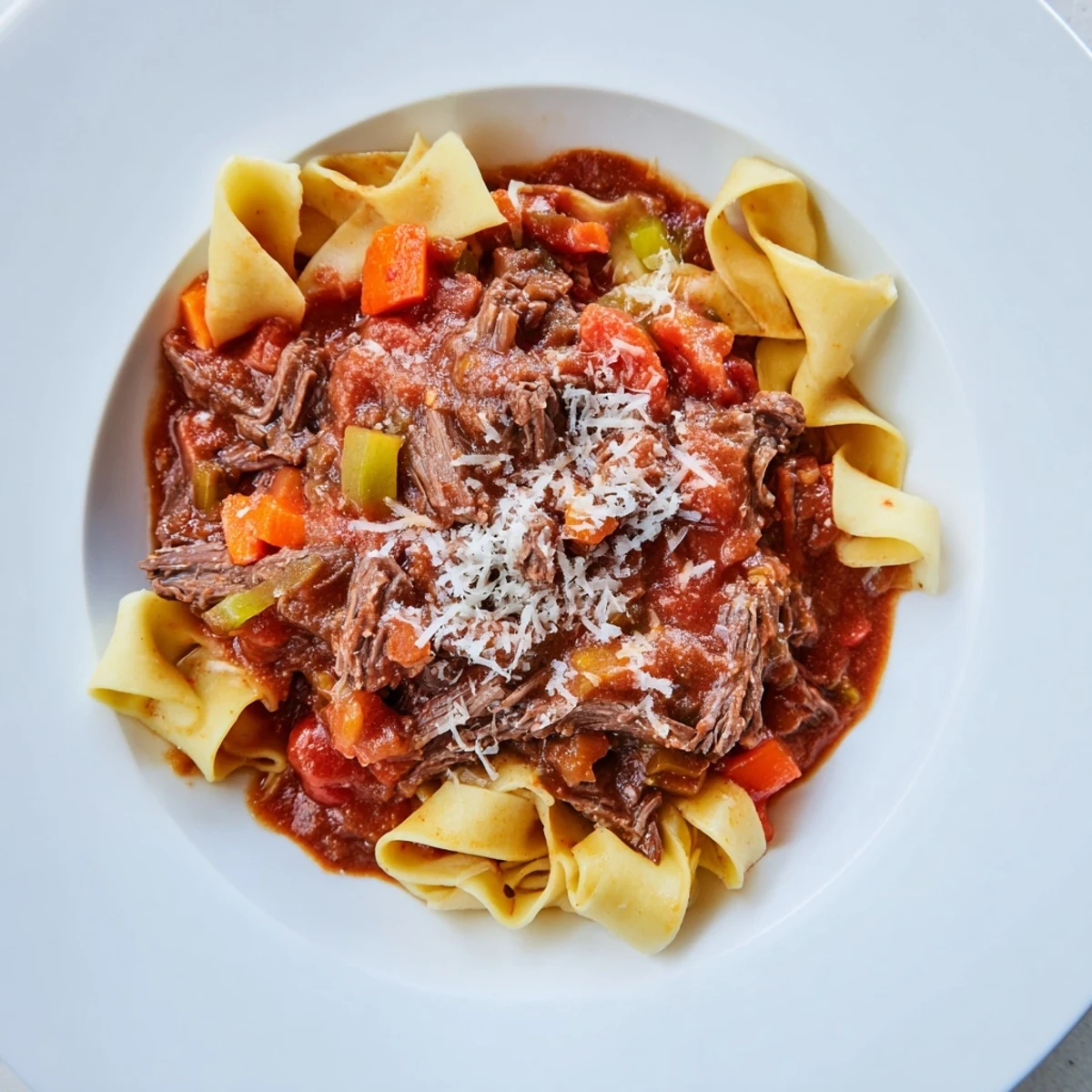
 This slow-cooker beef ragu combines tender chuck roast with a rich tomato-based sauce infused with aromatic vegetables, garlic, red wine, and Italian herbs. The magic happens over 8 hours of low-heat cooking, allowing the beef to become incredibly tender while flavors deepen and meld beautifully. Simply sear the beef, sauté your soffritto base of onions, carrots, and celery, then let the slow cooker do the work. The result is a restaurant-quality ragu that tastes even better than traditional stovetop versions. Serve generously over fresh pappardelle pasta and finish with Parmesan and fresh herbs for an unforgettable meal.
The aroma of my slow cooker beef ragu fills the kitchen on those dreary winter Sundays when the rain taps against the windows. I stumbled upon this recipe during a trip to Florence, where a local grandmother showed me how patience transforms tough cuts of meat into something magical. Back home, I recreated that memory, watching as the chuck roast surrendered into silky strands after hours of gentle cooking.
Last autumn, I made this ragu for my brothers birthday dinner, nervously checking the slow cooker every hour despite knowing it needed no supervision. When he took his first bite, conversation stopped mid-sentence, replaced by that appreciative silence that tells you everything. My sister-in-law asked for the recipe before dessert was even served, and now its become their Sunday tradition too.
Ingredients
- Chuck Roast: This humble cut becomes extraordinary with time, breaking down into tender strands while releasing rich, beefy flavor into the sauce.
- Soffritto (onion, carrot, celery): This Italian flavor base might seem simple, but Ive learned its the foundation that gives authentic ragu its sweet depth.
- Red Wine: Use something youd happily drink, as its character will concentrate throughout cooking and become part of your sauces personality.
- Pappardelle: These wide ribbons catch and hold the sauce perfectly, though Ive found egg-enriched versions provide the best texture against the rich ragu.
Instructions
- Build your flavor foundation:
- Season those beef chunks generously with salt and pepper before searing them until theyre deeply browned on all sides. That initial caramelization creates the backbone of flavor that will develop over hours.
- Layer in the aromatics:
- In that same flavor-rich skillet, soften your diced onion, carrot and celery until they become translucent and slightly sweet. When you add the garlic and tomato paste, youll notice the aroma shifts dramatically as they toast briefly.
- Slow and steady transformation:
- Once everything melds together in the slow cooker with those fragrant herbs, resist the urge to peek too often. Each hour passes with the meat surrendering more of itself to the sauce.
- The perfect marriage:
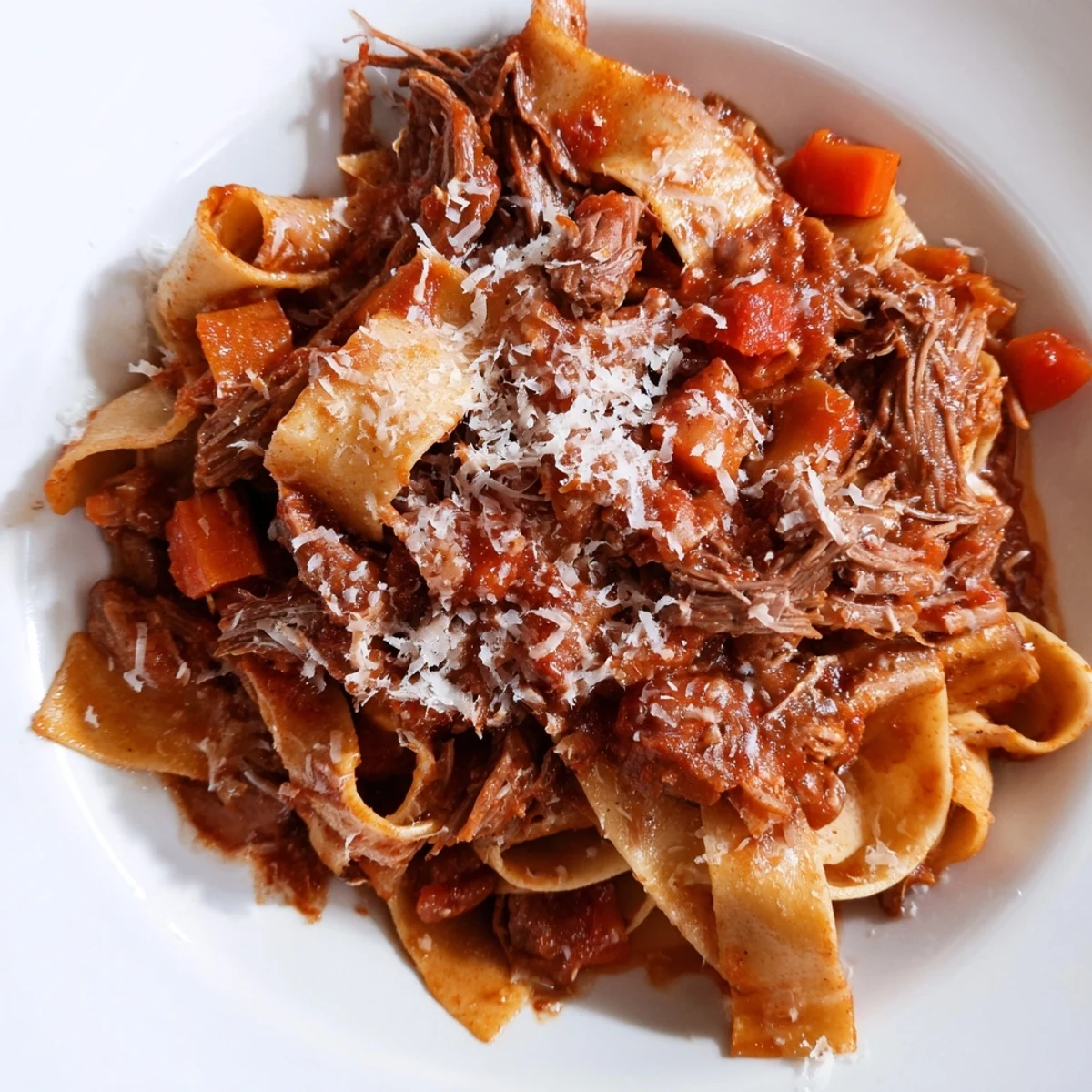
- Cook your pappardelle just shy of al dente, as itll continue absorbing the sauce once combined. I like to toss the pasta directly in the ragu rather than just topping it, so every strand becomes gloriously coated.
 Pin it
 When my neighbor lost her father last spring, I dropped off a container of this ragu and some uncooked pappardelle on her porch without saying a word. Weeks later, she told me how that simple meal had been the first thing that brought her family together at the table after days of picking at food alone in different rooms. We both teared up, reminded of how sharing food reaches beyond nourishment.
Make-Ahead Magic
The flavor of this ragu actually improves after a day or two in the refrigerator, making it perfect for busy households. Ive found that cooking it on a Saturday, refrigerating overnight, and reheating it slowly on Sunday creates an even more intensely flavored sauce as the ingredients have time to meld and deepen. Just warm it gently on the stovetop while your pasta water comes to a boil.
Creative Variations
While traditional with beef, Ive made this ragu with pork shoulder, venison, and even lamb with wonderful results. Each meat brings its own personality to the dish while following the same technique. The venison version has a wonderful earthiness that pairs beautifully with mushrooms added during the last hour of cooking, while lamb works wonderfully with a bit of mint stirred in at the end.
Serving Suggestions
This ragu deserves companions that complement without competing with its rich depth. A simple arugula salad dressed with lemon juice and olive oil provides the perfect bright counterpoint, cutting through the richness of the sauce with peppery freshness.
- A crusty loaf of ciabatta makes the perfect vehicle for swiping up any sauce left on the plate, which is truly too precious to waste.
- For wine pairing, reach for something with good acidity like a Chianti Classico or Montepulciano dAbruzzo to cut through the richness.
- Keep dessert light after this hearty meal, perhaps just some fresh berries with a touch of balsamic glaze or a small scoop of lemon sorbet.
 Pin it
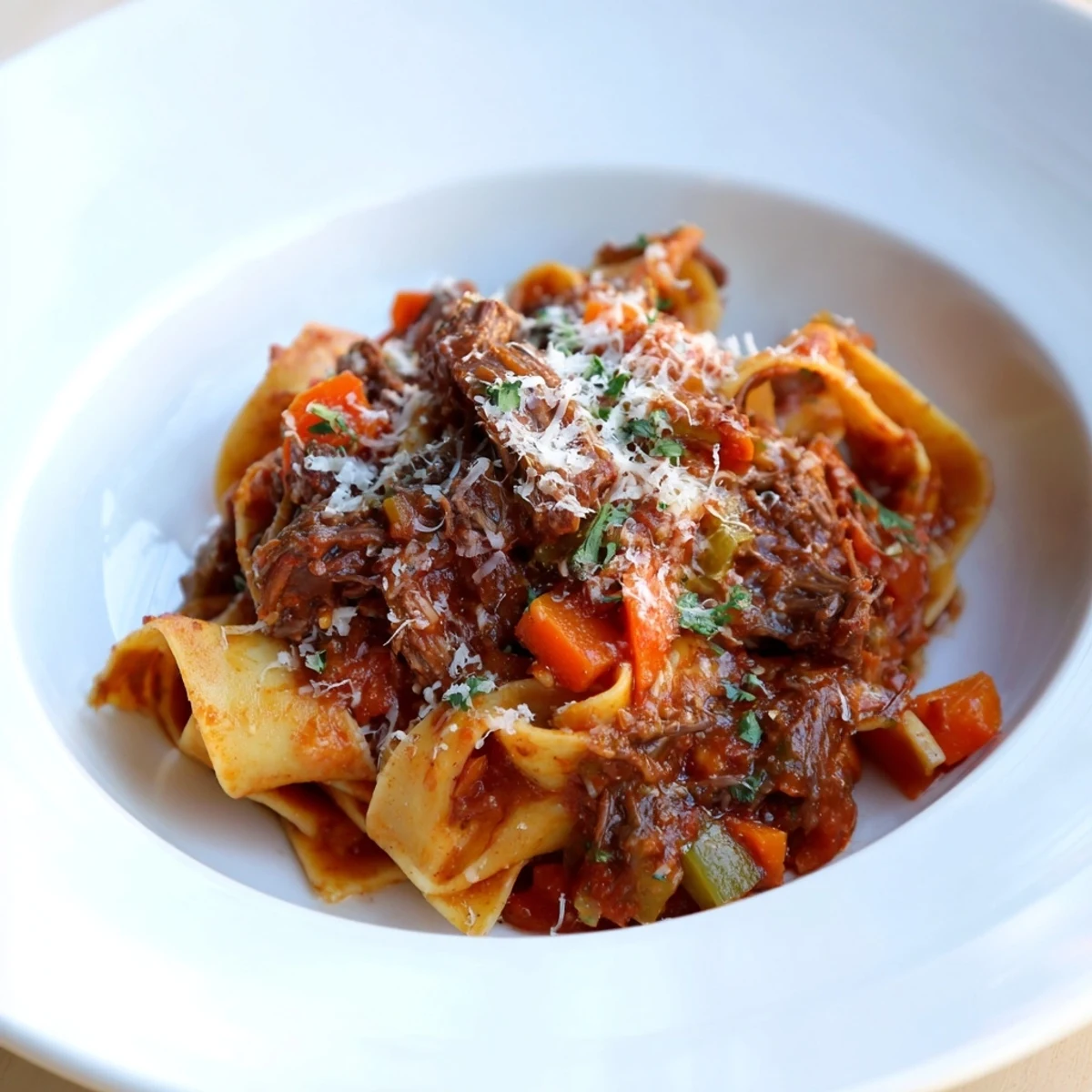
 This slow-cooked beef ragu has taught me that some of the most impressive dishes require not complicated techniques but simply time and patience. Its become my love language, a way to say everything words sometimes cant.
Recipe FAQ
- → Can I prepare the ingredients the night before?
-
Yes, chop your vegetables and trim your beef the evening before, storing them separately in the refrigerator. However, it's best to sear the beef fresh on cooking day to achieve proper browning, which adds crucial flavor to your ragu.
- → What type of beef works best for this ragu?
-
Beef chuck roast is ideal because it's well-marbled with fat and connective tissue that breaks down during slow cooking, creating tender, succulent meat and enriching the sauce. Avoid lean cuts like sirloin, which become tough after extended cooking.
- → Can I substitute the red wine?
-
Absolutely. You can use beef broth, additional tomato juice, or even balsamic vinegar to replace red wine. The wine adds acidity and depth, so acidic substitutes work best. Avoid sweetened beverages as they'll alter the ragu's balance.
- → How do I store leftover ragu?
-
Refrigerate in an airtight container for up to 4 days or freeze for up to 3 months. The ragu actually improves after a day, as flavors continue developing. Reheat gently on the stovetop with a splash of broth if it thickens too much.
- → What pasta shapes work well with this sauce?
-
Pappardelle's wide ribbons are perfect for clinging to chunks of meat and sauce. Tagliatelle, fettuccine, and even rigatoni work beautifully. Avoid thin strands like spaghetti, which can get lost under the hearty ragu.
- → Can I make this in a Dutch oven instead?
-
Yes, after searing the beef and sautéing vegetables, transfer everything to a 6-quart Dutch oven and braise covered in a 325°F oven for 3-4 hours, stirring occasionally. The result is similarly tender and delicious with more hands-on control.