
 Pin it
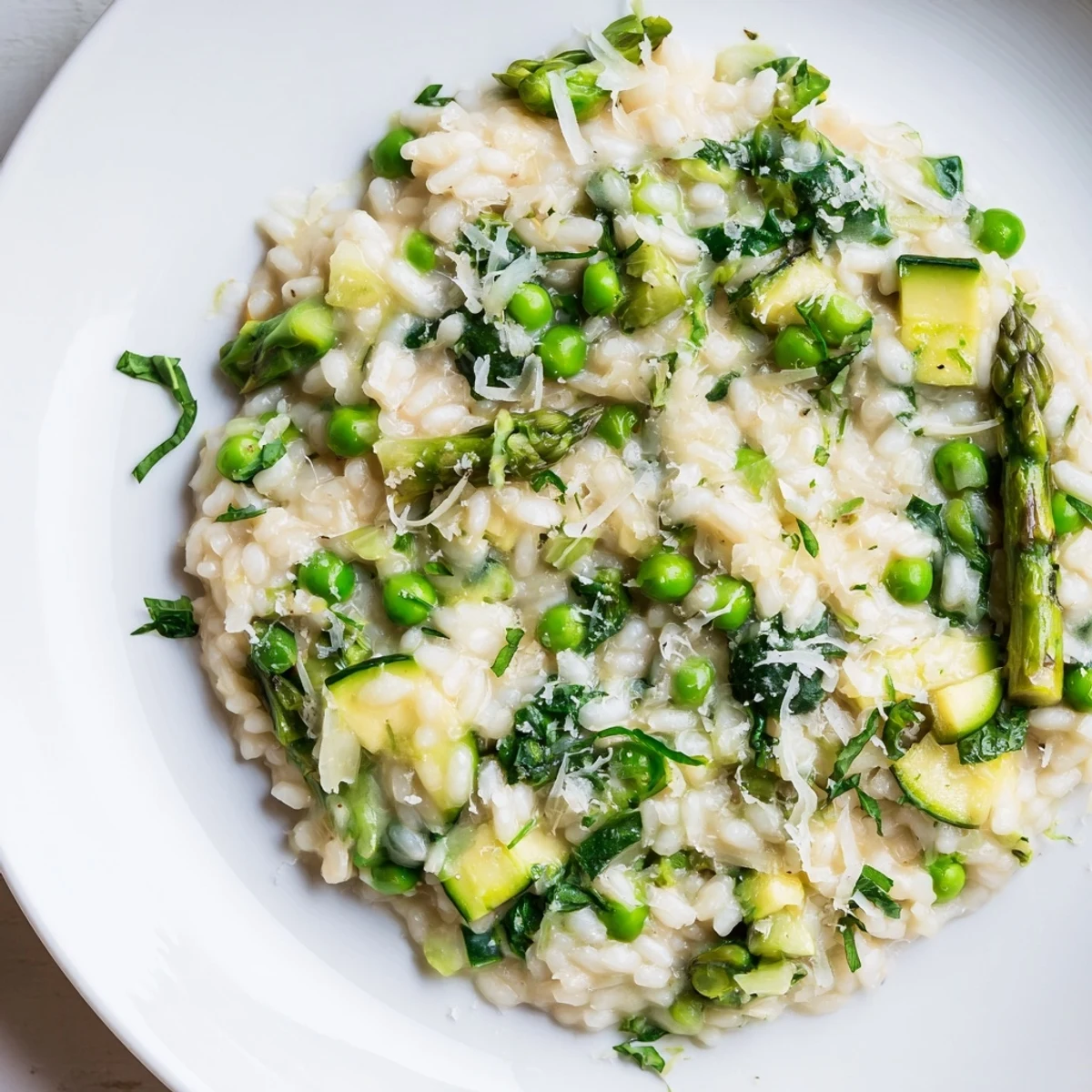
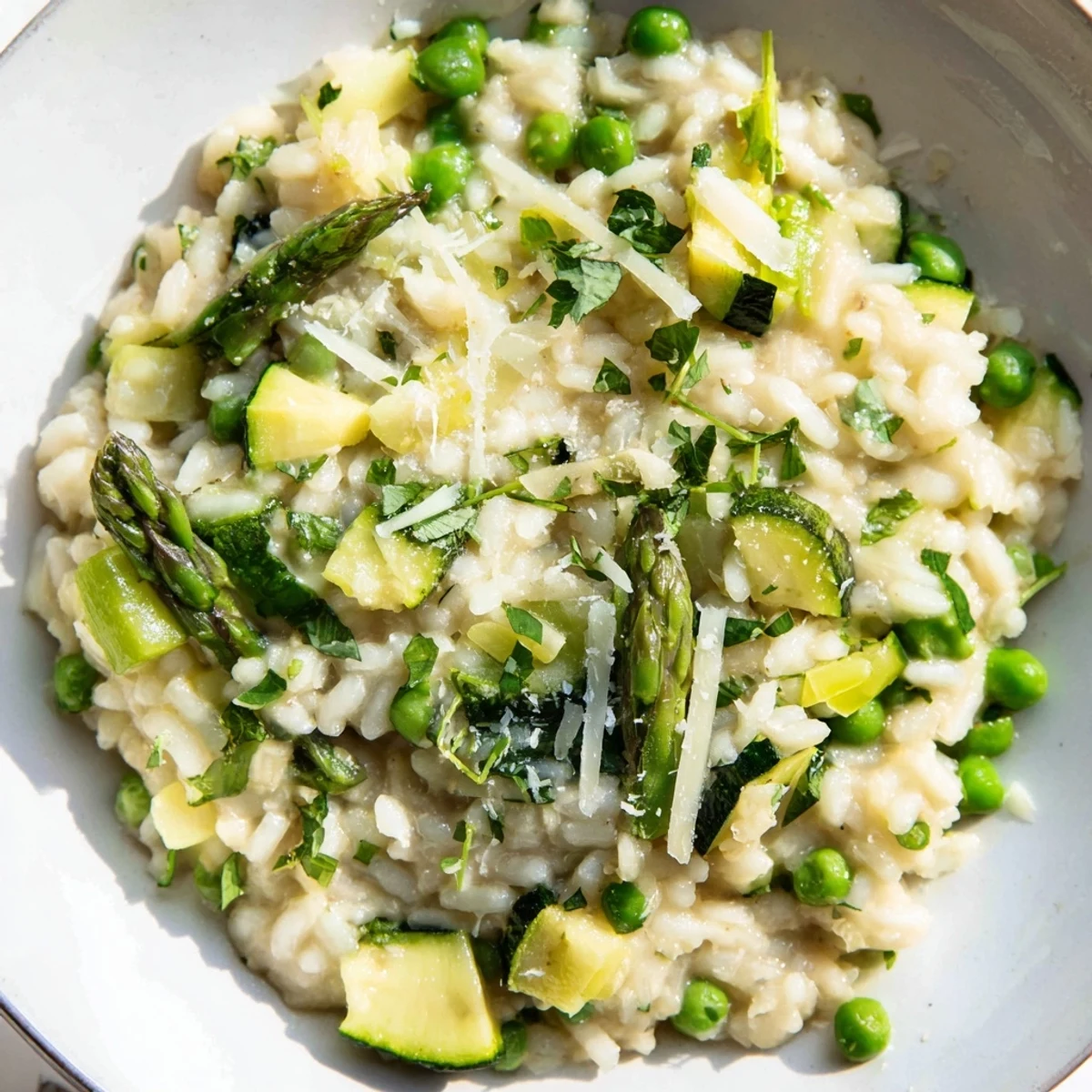
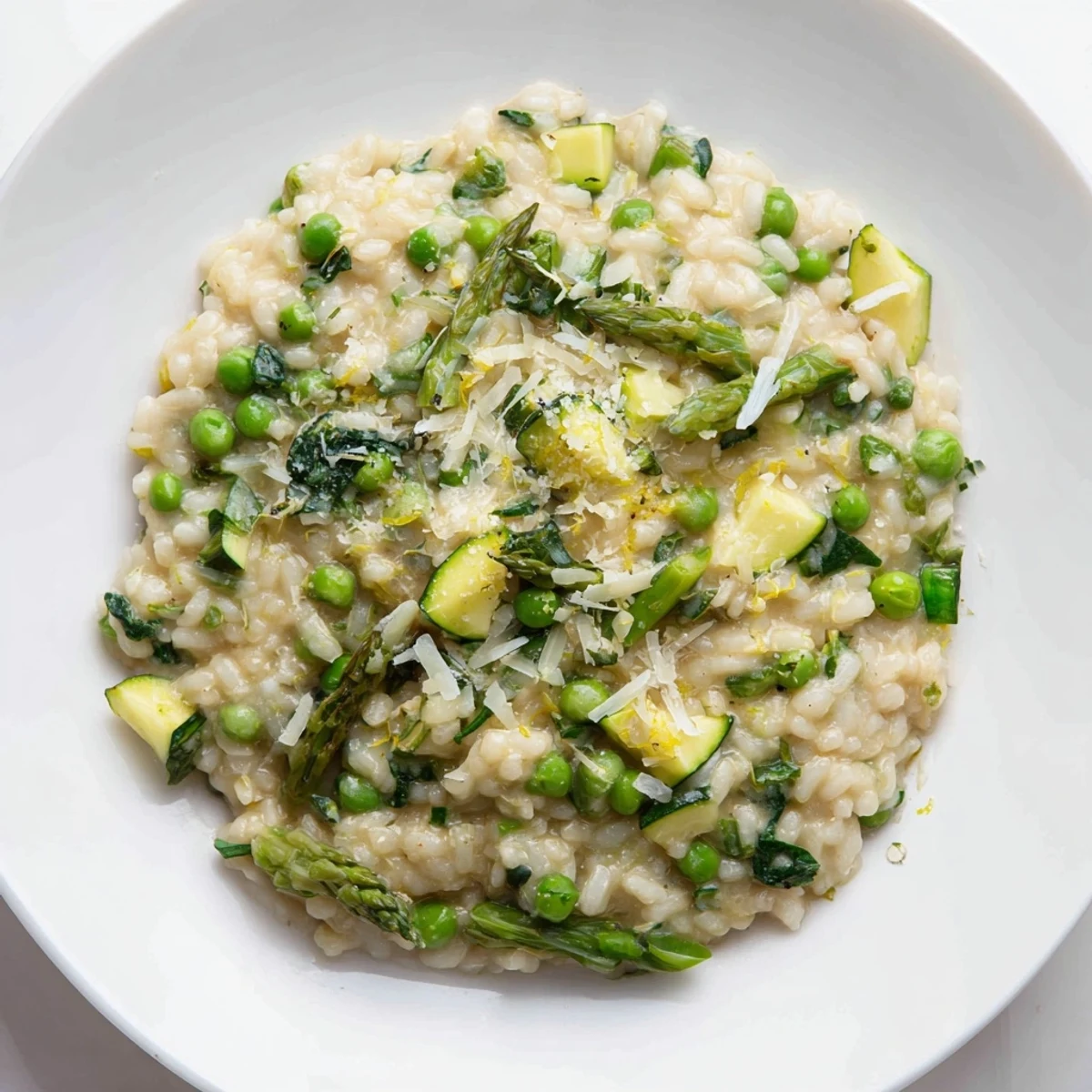
 This creamy risotto combines fresh spring vegetables like asparagus, peas, zucchini, and spinach with arborio rice cooked slowly in vegetable broth and white wine. A splash of lemon juice and zest adds a bright, zesty finish while Parmesan and fresh herbs enrich the texture and flavor. Perfectly al dente, tender, and vibrant, it's a comforting yet fresh main dish suited for vegetarian and gluten-free diets.
The cooking process involves sautéing aromatics, gently toasting the rice, and slowly incorporating warm broth to achieve a luscious creamy texture. Vegetables are added in stages to retain their delicate flavors and freshness. Finishing touches include butter, Parmesan, and chopped herbs for depth and richness. This dish pairs beautifully with crisp white wines and can be adapted for vegan preferences.
Last spring, my friend Sarah brought over armfuls of asparagus from her fathers garden and we spent the whole afternoon experimenting until this risotto happened. The first bite made both of us stop talking and just look at each other across the stove. Somehow the lemon made everything taste brighter than we expected, like sunshine had jumped right into the pan.
I made this for my mothers birthday dinner when she requested something vegetarian but fancy. She kept asking what made it taste so special, and honestly, it might have been the combination of fresh herbs and that final swirl of butter that transformed everything. Now she texts me every time asparagus goes on sale at the grocery store.
Ingredients
- Arborio rice: This short-grain rice releases starch slowly to create that signature creamy texture without needing heavy cream
- Asparagus: Trim the woody ends and cut into bite-sized pieces so they cook evenly alongside the rice
- Fresh peas: Frozen work perfectly fine, but fresh ones taste like pure sweetness when they pop in your mouth
- Baby spinach: Added at the very end so it wilts gently into the risotto without turning mushy
- Zucchini: Dice small so it softens properly while the rice finishes cooking
- Leek: The milder, sweeter cousin of onions that adds subtle depth without overpowering the vegetables
- Garlic and shallot: This aromatic duo builds the foundational flavor base
- Butter and olive oil: Cooking with both gives you the rich flavor of butter with a higher smoke point from the oil
- White wine: Adds acidity and complexity that makes the vegetables taste more vibrant
- Warm vegetable broth: Keeping it hot prevents temperature shocks that can make the rice cook unevenly
- Lemon zest and juice: The zest brings aromatic brightness while the juice adds a lovely acidic balance
- Parmesan cheese: Creates that velvety finish and adds salty umami that ties everything together
- Fresh herbs: Parsley, chives, or basil add a fresh finish that cuts through the richness
Instructions
- Warm the broth:
- Pour your vegetable broth into a saucepan and bring it to a gentle simmer over low heat. Keep it warm throughout the cooking process.
- Sauté the aromatics:
- In a large heavy pan, melt the butter with olive oil over medium heat. Add the shallot, leek, and garlic, cooking until softened and fragrant but not browned.
- Toast the rice:
- Add the Arborio rice and stir constantly for about 2 minutes until the grains look slightly translucent around the edges.
- Add the wine:
- Pour in the white wine and keep stirring until the liquid has completely disappeared into the rice.
- Begin adding broth:
- Add one ladleful of hot broth, stirring gently until most of it has been absorbed before adding the next ladleful.
- Add the vegetables:
- After about 10 minutes of cooking, stir in the asparagus, zucchini, and peas. Continue adding broth as needed while the rice finishes.
- Finish with spinach and lemon:
- When the rice is tender but still has a slight bite, stir in the spinach, lemon zest, and lemon juice. Cook just until the spinach wilts.
- Make it creamy:
- Remove from heat and vigorously stir in the Parmesan, remaining butter, and fresh herbs until melted and glossy. Season to taste.
 Pin it
 This recipe has become my go-to for first dinner parties because it feels impressive but actually lets me hang out with guests instead of being stuck at the stove the whole time.
Choosing Your Vegetables
The beauty of this risotto is its flexibility. I have swapped in fava beans, sugar snap peas, and even diced radishes when the farmers market had them. Just remember to adjust cooking times based on how quickly each vegetable softens.
Getting That Perfect Texture
The difference between good risotto and great risotto often comes down to the final two minutes. That vigorous stirring after removing from heat releases the last bit of starch and creates that restaurant-quality creaminess that everyone loves.
Make It Ahead Tips
You can prep all your vegetables and measure out ingredients the day before, but risotto really tastes best freshly made. If you need to reheat leftovers, add a splash of broth and warm gently over low heat, stirring constantly.
- Vegetable broth can be made ahead and stored for up to 5 days
- Asparagus and peas can be blanched for 1 minute and frozen for future risottos
- The risotto thickens considerably as it sits, so plan to add extra liquid when reheating
 Pin it
 There is something deeply satisfying about standing at the stove, ladling in broth, and watching raw ingredients transform into something that brings people together.
Recipe FAQ
- → How can I keep the vegetables tender in this risotto?
-
Add the firmer vegetables like asparagus and zucchini midway through cooking, and softer leaves like spinach near the end to maintain their texture and freshness.
- → What is the purpose of slowly adding broth during cooking?
-
Gradually adding warm broth allows the arborio rice to absorb liquid evenly, releasing its starch for a creamy, perfectly al dente texture.
- → Can I substitute the white wine in this dish?
-
Yes, you can use extra vegetable broth or a splash of lemon juice for brightness, keeping the flavor balanced without added alcohol.
- → What herbs work best with spring vegetable risotto?
-
Fresh parsley, chives, or basil complement the light vegetables and lemon, adding fragrant, fresh notes.
- → How do I make this dish vegan-friendly?
-
Replace butter with vegan butter alternatives and omit or substitute Parmesan with plant-based cheese or nutritional yeast.