 Pin it
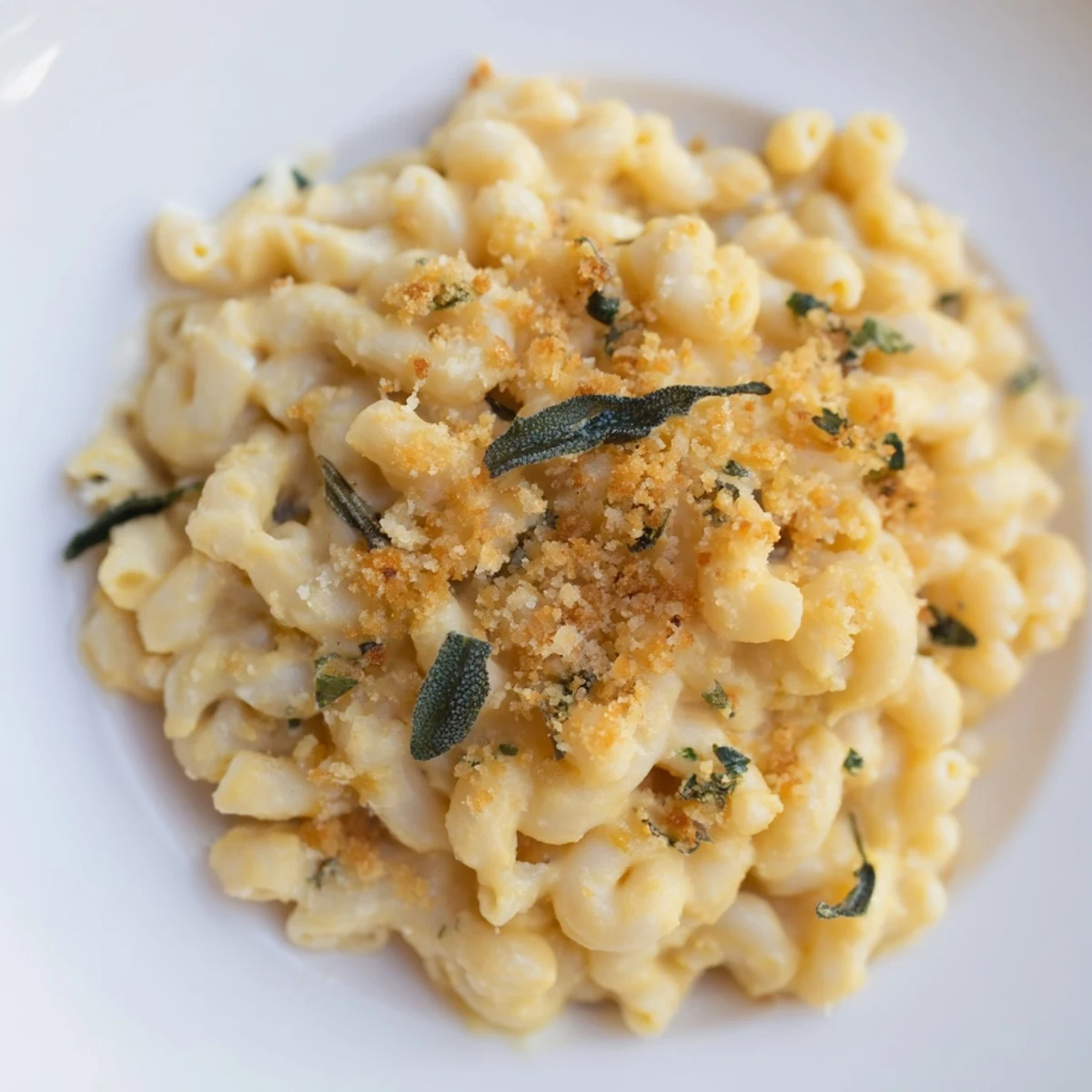
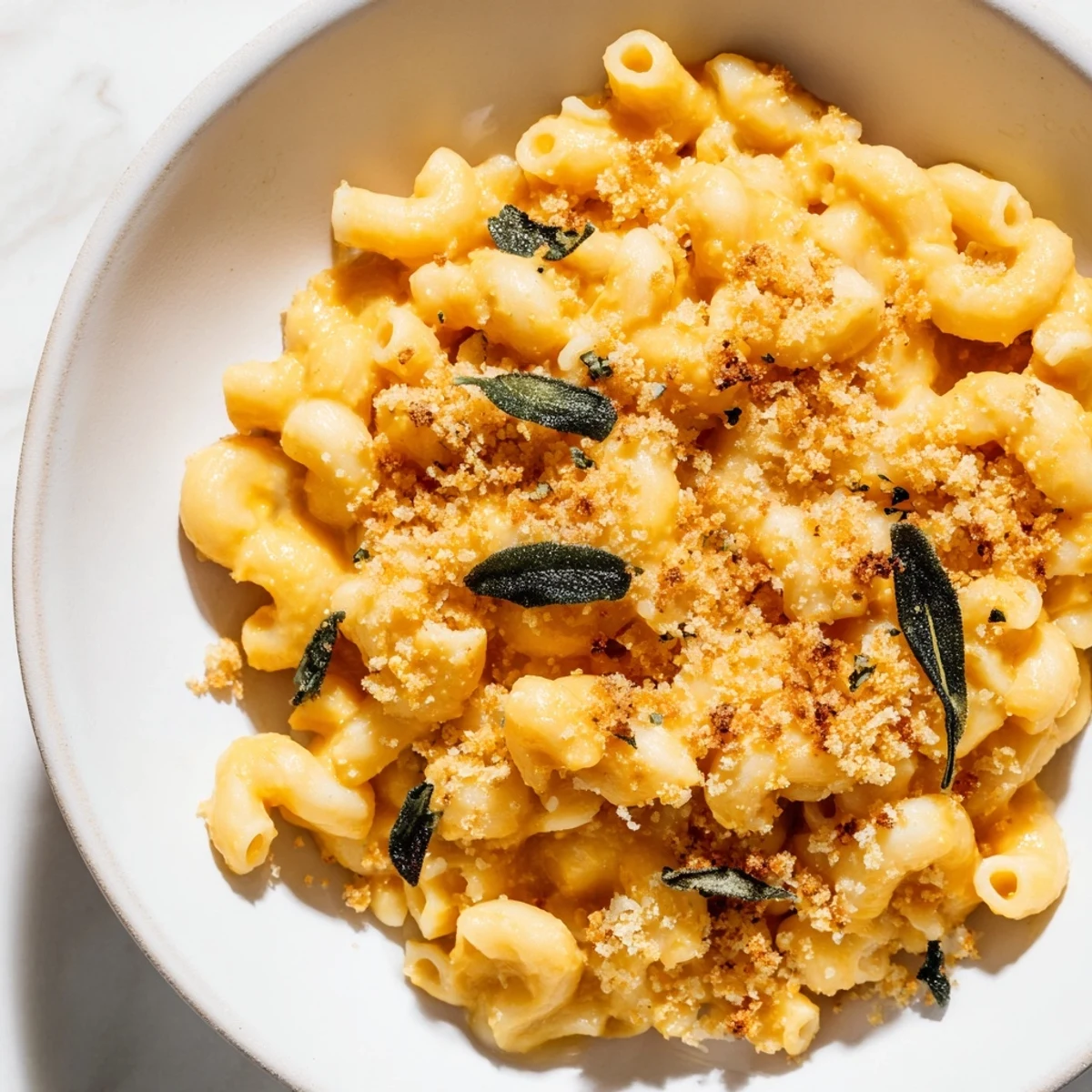
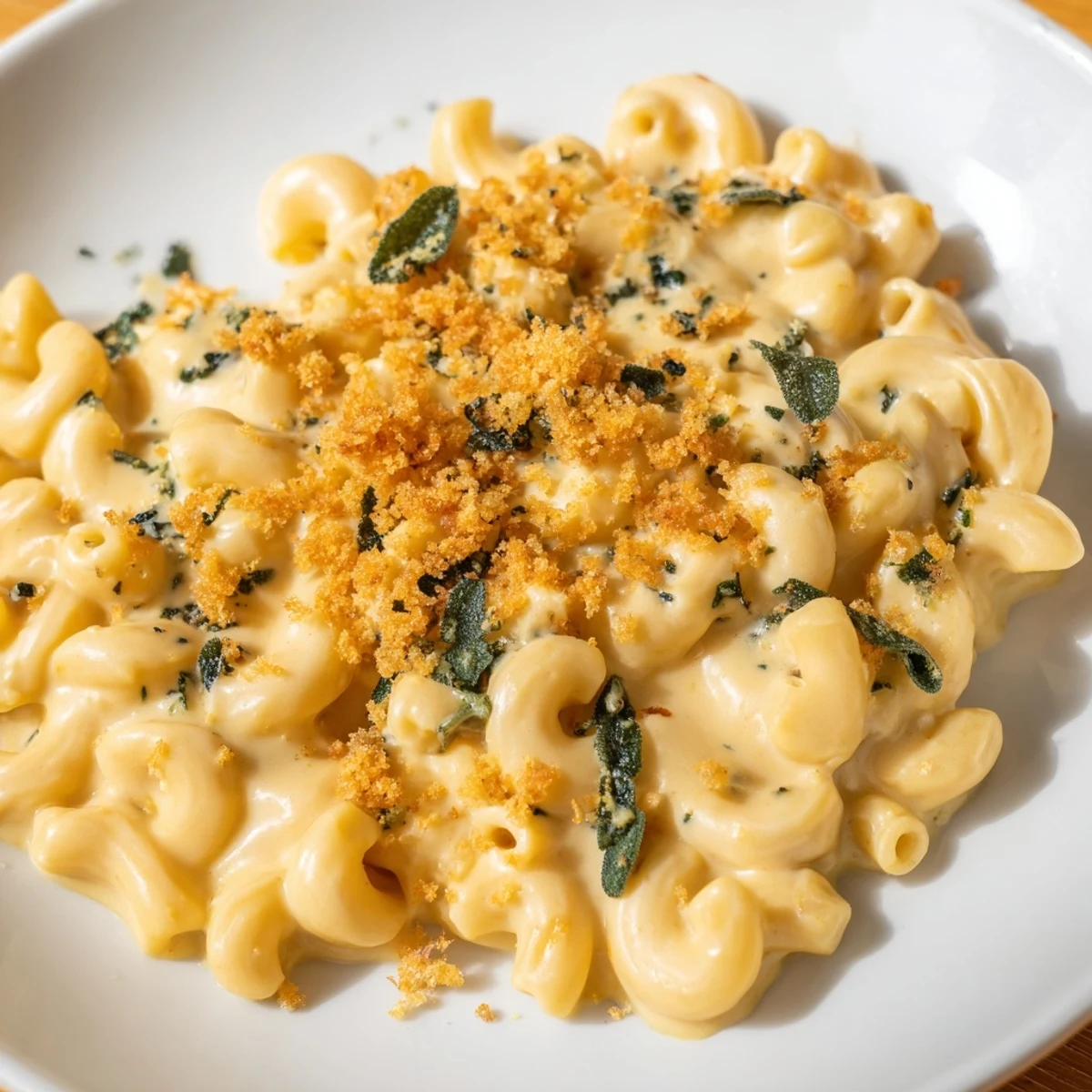
 This comforting dish brings together roasted butternut squash and fragrant sage in a creamy, dairy-free sauce. Pasta is cooked to tender perfection and coated in a smooth blend featuring nutritional yeast, lemon juice, and subtle spices like smoked paprika and turmeric for warmth and color. Optional toasted sage breadcrumbs add a crispy topping, balancing creaminess with texture. Perfect as a wholesome, easy-to-prepare plant-based entrée.
There's something about the first cool evening of autumn that makes me crave comfort food, and this vegan butternut squash mac and cheese arrived in my kitchen almost by accident. I had roasted a small squash for meal prep, and while standing there with a bowl of golden cubes, I thought about how much I missed the creamy richness of the mac and cheese my grandmother used to make. That moment sparked an idea: what if I could rebuild that dish entirely from plants, with sage bringing something unexpected to the table?
I remember cooking this for my sister on a lazy Sunday when she mentioned feeling uninspired by her weeknight meals. She watched skeptically as I blended the butternut squash into something silky and golden, then her face changed the moment she tasted it. She ended up making it three times that month, and now it's become the meal she reaches for when she needs to feel grounded and happy at the same time.
Ingredients
- Elbow macaroni (340 g): Use whatever pasta shape you love; I prefer shells because they trap the sauce beautifully.
- Butternut squash (500 g), diced: The key here is cutting it into uniform pieces so everything roasts at the same speed and caramelizes evenly.
- Olive oil (5 tbsp total): Good quality makes a real difference in the final flavor, especially since there's no butter to hide behind.
- Yellow onion (1 medium): Dicing it small means it breaks down into the sauce completely, adding sweetness without texture.
- Garlic cloves (3), minced: Fresh garlic is non-negotiable here; jarred garlic won't give you the same brightness.
- Fresh sage (1 tbsp plus garnish): This is what elevates the whole dish—it adds an almost peppery warmth that makes people ask what the secret is.
- Unsweetened plant-based milk (1 cup): Oat milk creates the silkiest texture, but soy milk works beautifully too if that's what you have.
- Vegetable broth (1/2 cup): Use the best quality you can find; it should taste like vegetables, not salt and sadness.
- Nutritional yeast (1/4 cup): This is your umami backbone; don't skip it or substitute it with anything else.
- Lemon juice (2 tbsp): The acid cuts through the richness and keeps everything tasting bright instead of heavy.
- Dijon mustard (1 tsp): A small amount adds complexity without making the dish taste like mustard.
- Smoked paprika and turmeric: Together they give the sauce a warm, almost golden-orange color that looks like real cheese sauce.
- Salt and black pepper: Taste as you go; the nutritional yeast already adds saltiness, so be gentle.
- Panko breadcrumbs (1/3 cup, optional): Toasting them with fresh sage creates a crispy topping that adds textural contrast.
Instructions
- Roast the squash:
- Get your oven to 200°C and let the butternut squash get all golden and caramelized for 25–30 minutes. You want the edges to be slightly browned and the flesh tender enough to mash with a fork, because those caramelized bits are where the deep flavor hides.
- Cook your pasta:
- While the squash is in the oven, bring a big pot of salted water to a rolling boil and cook the pasta according to the package instructions. Drain it well but don't rinse it—the starch on the surface helps the sauce stick.
- Build the flavor base:
- In a large skillet, warm 2 tbsp olive oil and sauté the diced onion slowly over medium heat until it's completely soft and turning golden at the edges, about 5–6 minutes. When it's sweet and mellowed, add the minced garlic and fresh sage, stirring until the kitchen smells like autumn in the best way possible.
- Blend into creaminess:
- Pour the sautéed onion mixture and the roasted butternut squash into a blender along with the plant-based milk, vegetable broth, nutritional yeast, lemon juice, Dijon mustard, smoked paprika, turmeric, salt, and pepper. Blend until completely smooth and silky; there should be no chunks left behind.
- Warm the sauce gently:
- Return the blended sauce to the skillet and heat it over medium-low heat, stirring gently for 3–4 minutes. Don't let it boil; you want to warm it through while keeping that creamy texture intact.
- Bring it all together:
- Add the cooked pasta to the sauce and stir slowly, making sure every piece gets coated in that silky, golden goodness. Warm through for 2–3 minutes, tasting and adjusting the seasoning if needed.
- Toast the topping (optional but recommended):
- Mix panko breadcrumbs with olive oil and fresh sage, then toast in a dry skillet over medium heat for 2–3 minutes until golden and crispy. This adds a lovely textural contrast that makes the dish feel more complete.
- Serve with joy:
- Transfer to bowls and top with the toasted sage breadcrumbs and extra fresh sage if you'd like. Serve immediately while everything is warm and the sauce is still glossy.
 Pin it
 There's a moment when I'm stirring pasta into a creamy sauce that always feels a little bit magical, like I'm creating something from simple, honest ingredients that somehow tastes better than the sum of its parts. This dish taught me that comfort food doesn't need animal products to feel real and nourishing.
The Magic of Butternut Squash in Savory Dishes
Most people think of butternut squash as a sweet ingredient, reserved for soups and desserts, but there's something remarkable about how it transforms when roasted and blended into a savory sauce. The natural sweetness becomes something sophisticated—almost like a whisper of caramel underneath the sage and lemon—without making the dish taste dessert-like. I discovered this almost by accident, and now I use butternut squash in more savory applications than I ever did before.
Why Sage Is the Secret Weapon
Sage is an herb that divides people, but when used with restraint, it brings a peppery, almost floral note that makes people taste something special without being able to name it. In this dish, it cuts through the richness of the sauce and prevents the whole thing from feeling too heavy or sweet. I learned to love sage through cooking with it repeatedly, and now a small amount is something I reach for instinctively when I want to make something feel more refined.
Kitchen Wisdom and Final Thoughts
This recipe taught me that vegan cooking isn't about limitation or substitution—it's about understanding how to layer flavors and textures to create something genuinely delicious. The butternut squash isn't pretending to be cheese; it's bringing its own richness and depth, and that's what makes the whole dish work.
- Make it ahead: This reheats beautifully the next day, and the flavors actually deepen a bit as it sits in the refrigerator overnight.
- Customize the creaminess: If you want an even richer sauce, stir in 2 tablespoons of tahini or blended soaked cashews after blending, though this removes the nut-free status.
- Leftover sage: Fresh sage keeps best when wrapped in a damp paper towel and stored in a sealed container for about a week, so don't let any go to waste.
 Pin it
 This mac and cheese has become the dish I make when I want to remind myself that simple, plant-based cooking can feel luxurious and deeply satisfying. It's the kind of meal that brings people together around a table and makes everyone feel cared for.
Recipe FAQ
- → What pasta works best for this dish?
-
Elbow macaroni is traditional, but any short pasta like shells or penne works well to hold the creamy sauce.
- → How do I roast the butternut squash properly?
-
Toss diced squash with olive oil, salt, and pepper, then roast at 200°C (400°F) for 25-30 minutes until tender and lightly browned.
- → Can I make this dish nut-free?
-
Yes, use oat or soy milk and avoid adding tahini or cashews to maintain a nut-free version.
- → What does nutritional yeast add to the sauce?
-
Nutritional yeast provides a cheesy flavor and richness while keeping the sauce plant-based and creamy.
- → Is the toasted sage breadcrumb topping necessary?
-
It's optional but adds a delightful crunchy texture and enhances the herbal notes of the dish.