
 Pin it
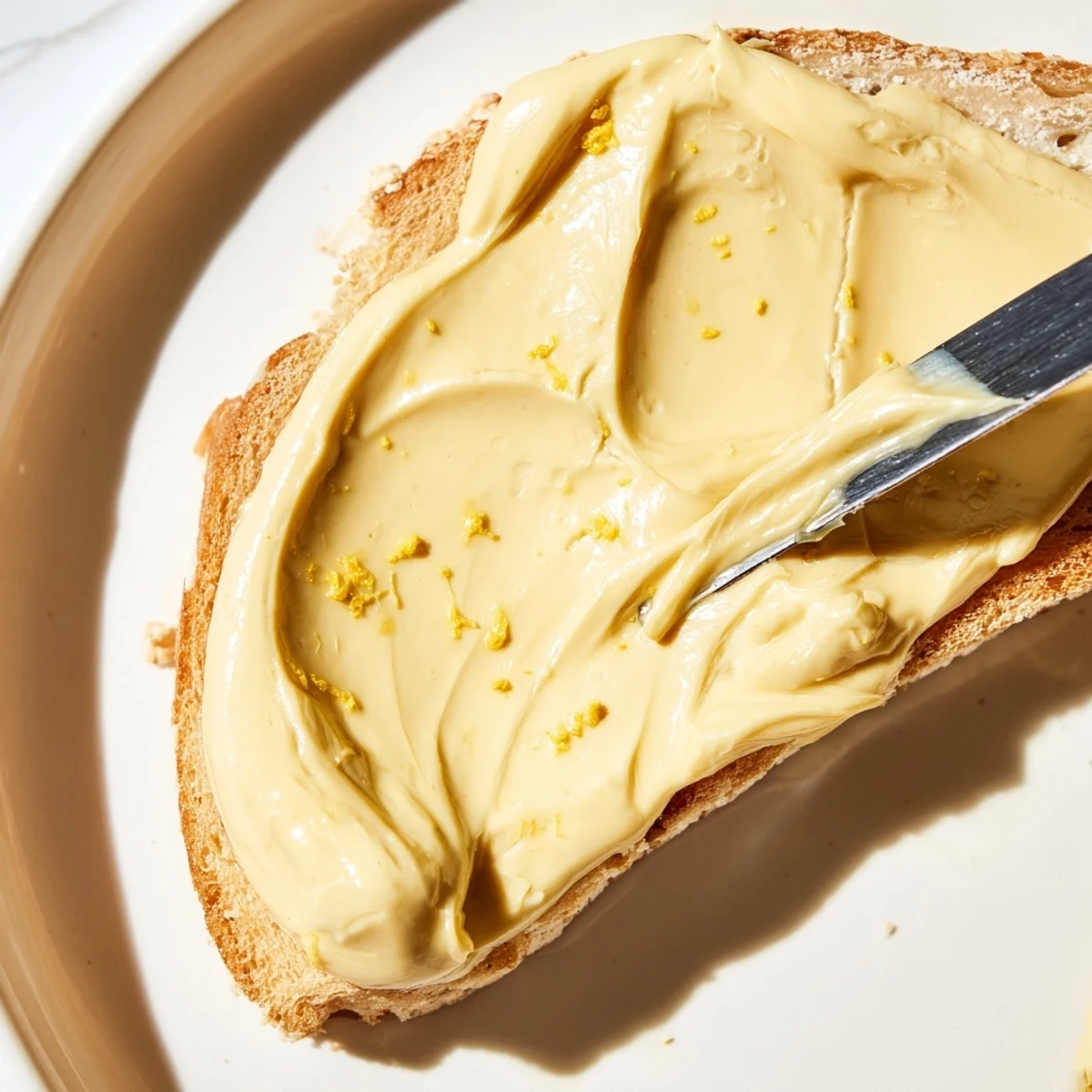
 This homemade plant-based butter delivers the same rich texture and spreadability as traditional dairy butter, using a blend of coconut oil, neutral oil, and plant milk. The addition of apple cider vinegar and salt creates that familiar tangy-salty profile while lecithin ensures perfect emulsification.
The result is a versatile alternative that performs beautifully in baking, melts on warm toast, and can even withstand moderate cooking temperatures. Customize with nutritional yeast for extra depth or turmeric for that classic golden color.
Store in the refrigerator for up to two weeks and soften slightly before use for the best spreading consistency.
My tiny apartment kitchen became a makeshift laboratory the afternoon I decided to tackle homemade vegan butter. The store bought versions always left me wanting something closer to the real thing, something that would actually melt into warm toast rather than sit there in stubborn pools. Three failed attempts later, I finally cracked the code with lecithin and the right oil balance. Now I keep a small batch in my fridge always, and my omnivore roommate can never tell the difference.
Last Thanksgiving I secretly used this for the mashed potatoes and dinner rolls. My aunt, who is famously skeptical of anything vegan, went back for seconds and mentioned how perfectly buttered everything tasted. I still have not told her.
Ingredients
- Refined coconut oil: This creates the solid structure at room temperature while refined means no coconut flavor interfering with the buttery taste
- Neutral oil: Sunflower or grapeseed keeps the texture soft and spreadable straight from the fridge without adding competing flavors
- Unsweetened soy milk: The protein helps emulsify everything while adding creaminess, though oat milk works beautifully too
- Apple cider vinegar: Just a tiny hint of tanginess that mimics the slight acidity of dairy butter
- Sea salt: Essential for that authentic butter flavor, adjust slightly up or down to your taste preference
- Nutritional yeast: Optional but adds those subtle buttery umami notes that make people ask what is in this
- Ground turmeric: A pinch gives that familiar pale yellow color so it looks right on the table
- Sunflower or soy lecithin: The secret ingredient that keeps everything emulsified and prevents the oils from separating
Instructions
- Melt and cool the coconut oil:
- Gently heat until just liquid but not hot, then let it sit for a few minutes so it will not scramble your milk when they meet
- Blend everything together:
- Combine all ingredients in your blender and let it run on high for a good minute or two until the mixture looks perfectly smooth and creamy
- Pour and set:
- Transfer to your chosen container, pop it in the fridge, and let it firm up for at least two hours before using
 Pin it
 There is something deeply satisfying about pulling a homemade container of butter from your own fridge, especially when guests ask where you bought it. This recipe has saved me countless times when I realized I was out of butter mid baking, and the fact that it keeps for two weeks means I am never caught unprepared.
Getting The Right Texture
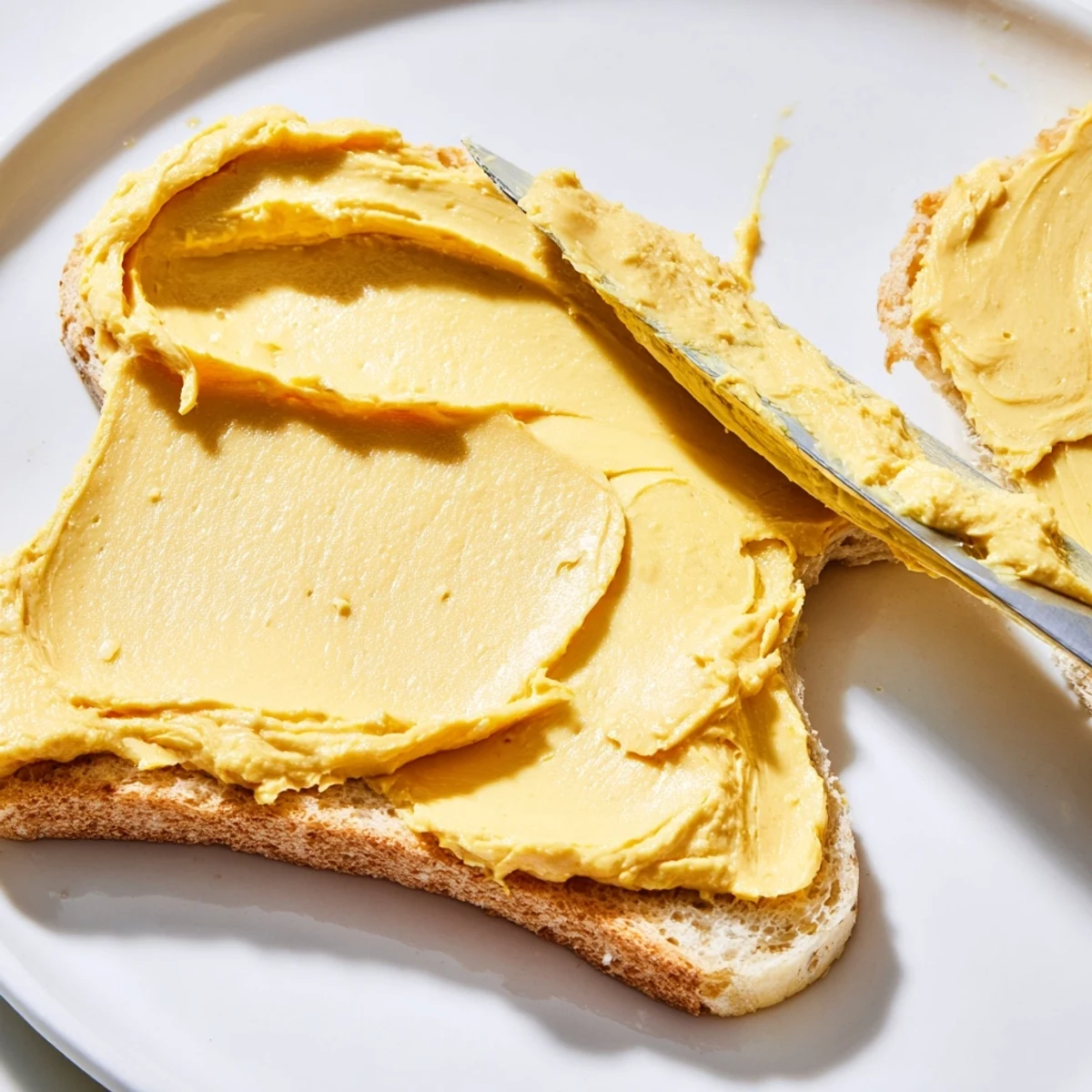
The magic ratio is half solid fat to half liquid oil. Too much coconut oil and your butter will be rock hard, too much neutral oil and it will never quite set properly. I keep a small butter dish on the counter for the softest spreadability, moving it back to the fridge if the kitchen gets too warm.
Customizing Your Flavor
Plain butter is fantastic, but this recipe is a blank canvas for whatever you are craving. A clove of minced garlic and fresh herbs transform it into the best compound butter for roasted vegetables. A tablespoon of maple syrup makes it incredible on pancakes and waffles. Sometimes I swirl in miso paste for an umami bomb that elevates even the simplest toast.
Storage And Making It Last
Keep your butter in an airtight container in the refrigerator where it will stay fresh for up to two weeks. I have also successfully frozen portions in ice cube trays for longer storage, thawing cubes as needed. The texture may be slightly crumbly right after freezing but a quick stir brings it back to creamy perfection.
- Label your container with the date so you can track freshness
- If separation occurs, simply give it a brief whirl in the blender again
- Use clean utensils every time to extend the fridge life
 Pin it
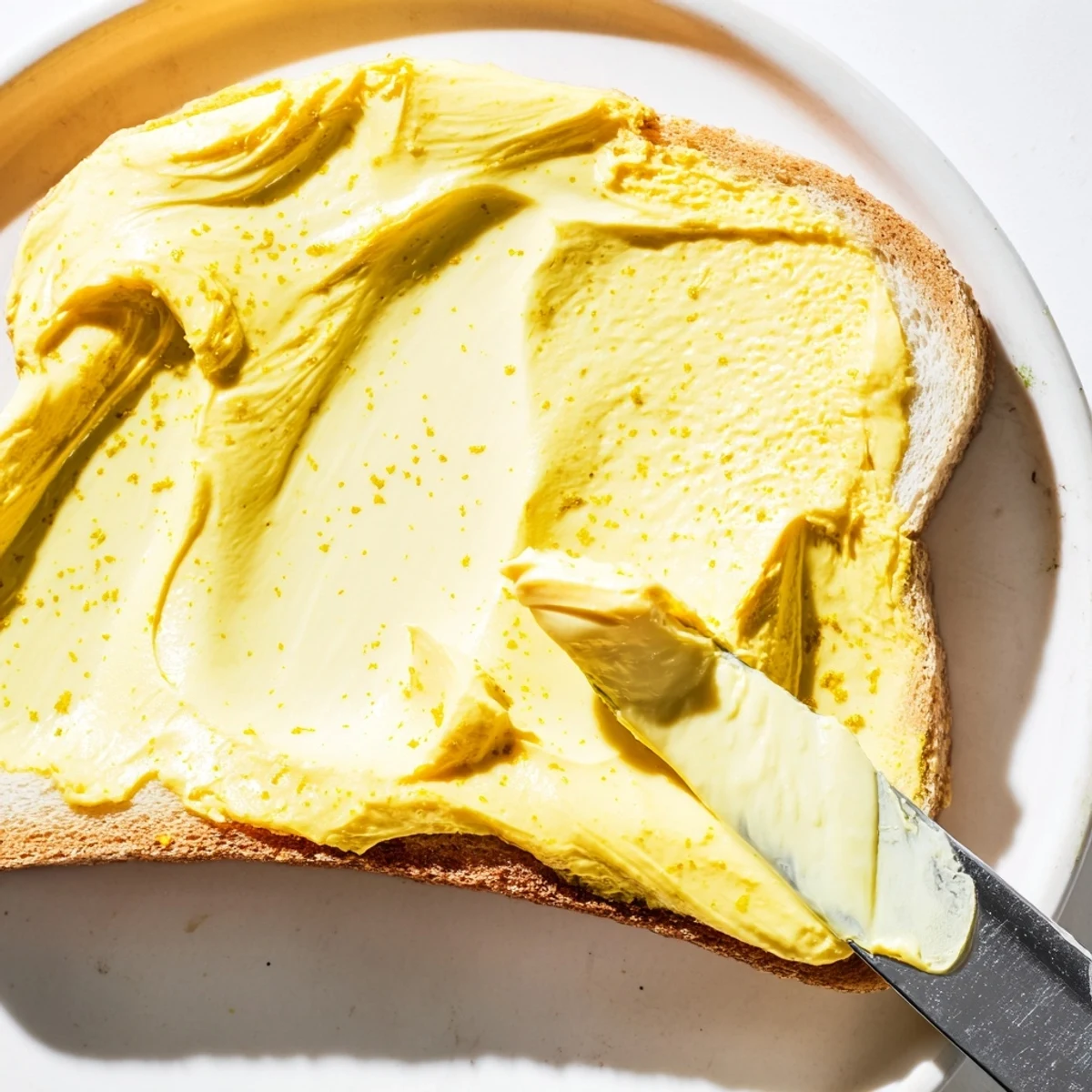
 Every time I spread this on warm bread or melt it into a pan, I am reminded that the best recipes are the ones that live in your regular rotation, making life a little simpler and a lot more delicious.
Recipe FAQ
- → Can I use unrefined coconut oil?
-
Yes, though refined coconut oil is recommended to avoid coconut flavor. If you enjoy a subtle coconut taste in your spread, unrefined works perfectly well.
- → Is this suitable for baking?
-
Absolutely. This plant-based alternative performs similarly to dairy butter in most baking applications, from cookies to cakes and pastries.
- → How long does it keep?
-
Store refrigerated in an airtight container for up to 2 weeks. The firm texture makes it easy to portion, and it softens quickly at room temperature.
- → Can I make it soy-free?
-
Simply substitute the soy milk with oat or almond milk, and use sunflower lecithin instead of soy lecithin for a completely soy-free version.
- → Why is lecithin necessary?
-
Lecithin acts as an emulsifier, binding the oils and liquid together to create that smooth, creamy texture that won't separate during storage.
- → Can I add flavors?
-
Garlic powder, smoked paprika, or herbs make excellent additions for savory spreads. For sweet applications, try a touch of maple syrup or cinnamon.