
 Pin it
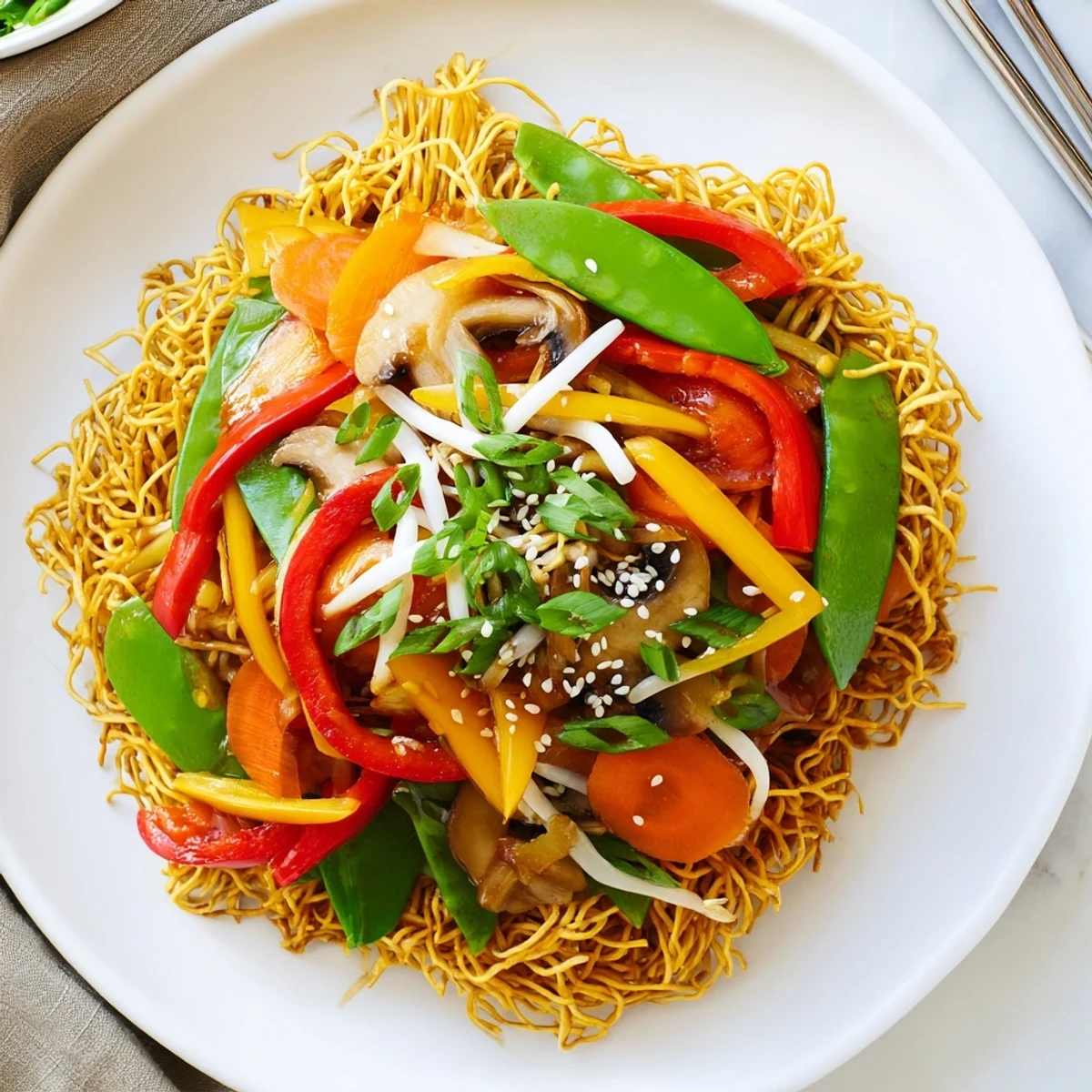
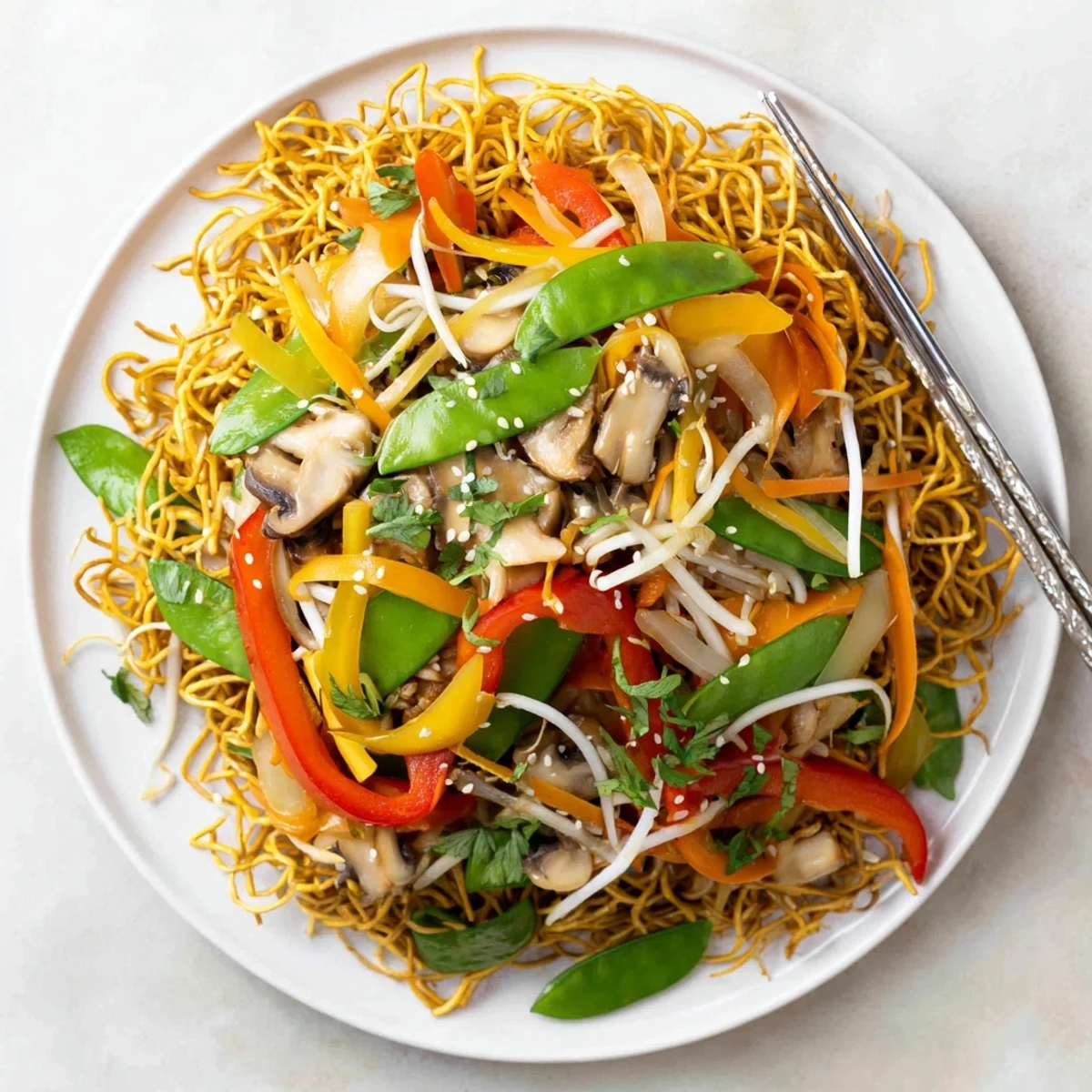
 This dish delivers the ultimate contrast of textures—golden crunchy fried noodles topped with tender-crisp colorful vegetables coated in a rich umami sauce. The preparation involves pan-frying cooked noodles until they develop a satisfying crunch, then stir-frying a medley of bell peppers, carrots, snow peas, mushrooms, and bean sprouts.
The savory sauce brings everything together with soy, hoisin, sesame oil, garlic, and ginger creating that authentic Chinese restaurant flavor profile. Perfect for busy weeknights when you want something hearty but don't want to spend hours at the stove.
The entire dish comes together in just 40 minutes from start to finish, making it ideal for quick dinners. You can easily customize the vegetables based on what's in your crisper drawer or add protein like tofu or tempeh to make it even more substantial.
The first time I attempted crispy noodle chow mein, I ended up with what my roommate lovingly called 'noodle confetti' scattered across our entire kitchen floor. I had tried to flip the noodle cake too early, and golden shards went everywhere. Now I know patience is what makes those gorgeous crispy bottoms form properly, and that golden crust is worth every second of waiting.
My neighbor Mrs. Chen used to make something similar whenever I came home from college, the aroma of ginger and sesame oil drifting through our thin apartment walls. She taught me that the secret lies in getting the noodles truly crispy before topping them, otherwise they steam and get soggy under the vegetables.
Ingredients
- 200 g dried chow mein noodles: Look for thin egg noodles or use ramen noodles in a pinch, just avoid ultra-thin rice vermicelli which will not crisp up properly
- 2 tbsp vegetable oil: Split between frying the noodles and stir-frying vegetables, neutral oil works best here to let other flavors shine
- 1 medium red bell pepper: Thinly sliced for pops of sweet crunch and vibrant color that make the dish feel special
- 1 medium carrot: Julienned into matchsticks adds sweetness and keeps its texture even after quick cooking
- 100 g snow peas: Trimmed but kept whole, they provide bright crunch and a fresh flavor that balances the rich sauce
- 100 g shiitake or button mushrooms: Sliced thin so they cook quickly and absorb all that savory sauce beautifully
- 1 small yellow onion: Thinly sliced, they caramelize slightly during stir-frying adding subtle sweetness
- 1 cup bean sprouts: Added at the very end to maintain their fresh snappy texture and light crunch
- 2 spring onions: Sliced, with whites going into the mix and bright green saved for fresh garnish
- 3 tbsp soy sauce: The salty backbone of our sauce, use light soy for a cleaner flavor or dark for more depth
- 1 tbsp oyster sauce: Adds umami richness that makes the sauce taste restaurant-quality
- 1 tbsp hoisin sauce: Brings subtle sweetness and that beautiful deep glossy color to the finished dish
- 1 tbsp sesame oil: A little goes a long way, providing that unmistakable aromatic finish
- 1 tsp sugar: Just enough to balance the salty elements and round out all the flavors
- 2 cloves garlic: Minced fresh, please no jarred garlic which can taste harsh and metallic
- 1 tsp fresh ginger: Grated directly into the sauce for warm spicy undertones throughout
- 2 tbsp water: Helps dissolve the cornstarch so your sauce thickens smoothly without lumps
- 1 tsp cornstarch: The magic that turns watery stir-fry juices into a glossy coating that clings to every vegetable
- 1 tbsp toasted sesame seeds: Optional but highly recommended for that restaurant presentation and nutty finish
- Fresh coriander leaves: Scattered on top at the end for bright herbal notes that cut through the rich sauce
Instructions
- Prep the noodles perfectly:
- Cook the chow mein noodles according to package instructions until just al dente, then drain and rinse thoroughly under cold water to stop cooking and remove excess starch. Pat them completely dry with paper towels because water is the enemy of crispy noodles.
- Create the crispy noodle cake:
- Heat 1 tablespoon vegetable oil in a large nonstick skillet or wok over medium-high heat until shimmering, then add the cooked noodles in an even layer and let them cook undisturbed for 4 to 5 minutes until the bottom forms a deep golden crust. Flip carefully in sections and crisp the other side for 2 to 3 minutes more, then transfer to a plate and set aside.
- Mix the sauce:
- In a small bowl, whisk together soy sauce, oyster sauce, hoisin sauce, sesame oil, sugar, garlic, ginger, water, and cornstarch until the cornstarch is completely dissolved. Set aside near your cooking station.
- Stir-fry the vegetables:
- Wipe out the skillet and heat the remaining 1 tablespoon oil over high heat until smoking slightly, then add onions and carrots and stir-fry for 2 minutes. Add bell pepper, mushrooms, and snow peas and stir-fry for another 3 to 4 minutes until vegetables are just tender but still vibrant and crisp.
- Add the sauce:
- Pour the sauce mixture over the vegetables and stir constantly until it thickens and becomes glossy, about 1 minute. The sauce should coat the back of a spoon and cling to the vegetables beautifully.
- Finish with fresh elements:
- Add bean sprouts and half the spring onions, tossing just until combined and heated through but still keeping their crunch. Remove from heat immediately.
- Assemble and serve:
- Place the crispy noodles on a serving platter, top with the stir-fried vegetables and sauce, then garnish with remaining spring onions, sesame seeds, and coriander if desired. Serve immediately while the noodles are still crisp and the sauce is hot.
 Pin it
 This became my go-to recipe during university finals week when my apartment became the unofficial study spot. Friends would appear at my door around 7 pm, drawn by the sound of vegetables hitting hot oil and the promise of something better than cafeteria food.
Getting That Perfect Crisp
The most common mistake I see is people constantly stirring the noodles while they fry. I learned the hard way that you must resist the urge to poke and prod. Letting the noodles sit undisturbed is what creates that beautiful golden crust, similar to making a hash brown or potato pancake. The sound changes too, from a soft sizzle to a steady crackle as the water evaporates and browning begins.
Sauce Balance Secrets
Taste your sauce before adding it to the vegetables. Every brand of soy sauce and hoisin has different salt levels, so adjust accordingly. I once made a batch that was so salty we had to order pizza instead. Now I always dip a clean spoon into the sauce mixture to check the balance. It should taste slightly more intense than perfect because it will mellow when tossed with vegetables.
Make-Ahead Wisdom
While this dish is best served immediately, you can prep everything in advance. I often cut all the vegetables and mix the sauce in the morning, then keep them separate in the refrigerator. The only thing I cook ahead of time is the noodle cake, which I reheat in a hot oven to restore crispness before topping with freshly stir-fried vegetables.
- Cook the noodle cake up to 4 hours ahead and reheat at 400°F for 5 to 7 minutes
- Vegetables can be prepped and kept in cold water to prevent oxidation
- The sauce can be made a day ahead and kept in the refrigerator, just whisk again before using
 Pin it
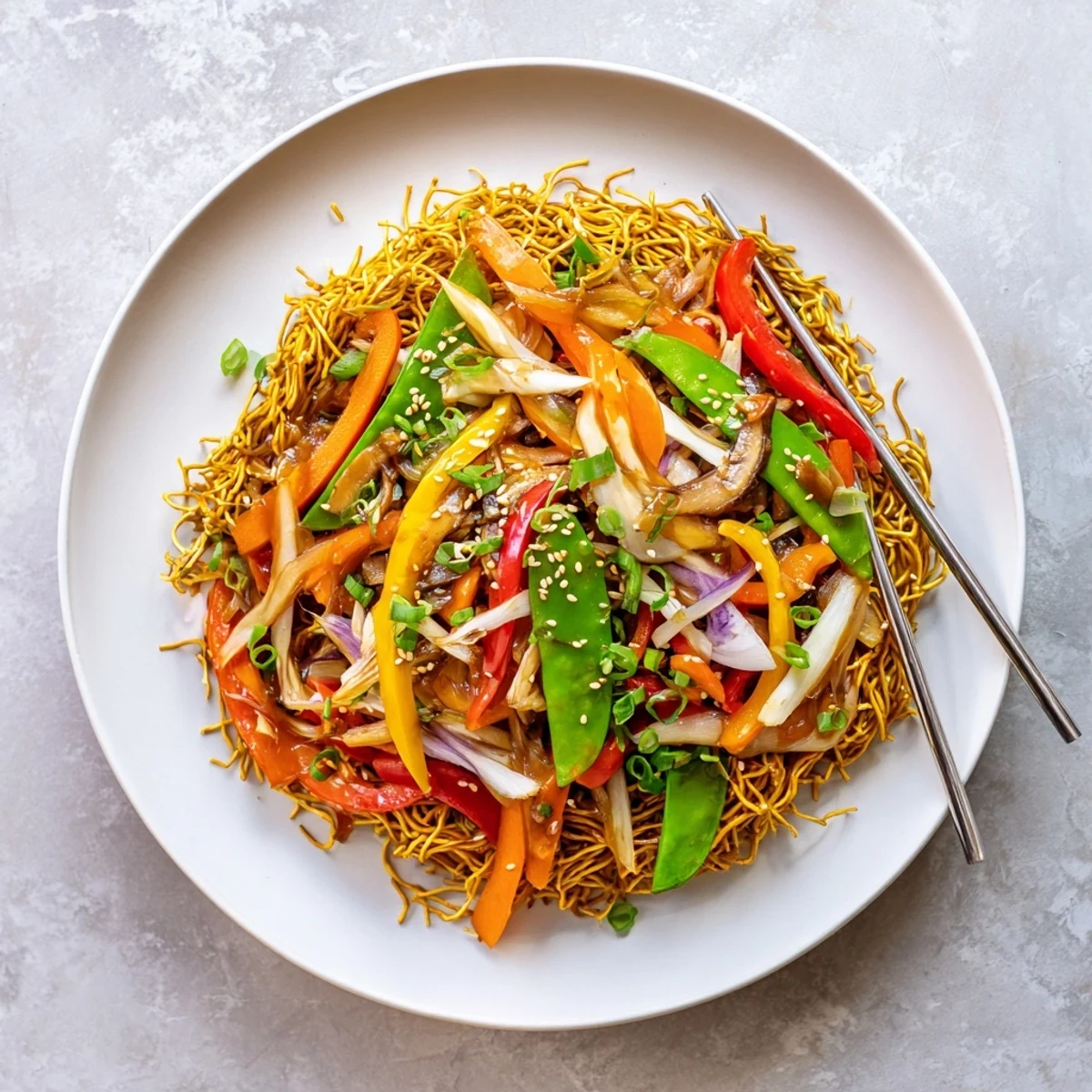
 There is something deeply satisfying about breaking through that crispy top layer and finding tender vegetables underneath, each bite revealing different textures and flavors. This recipe turns a simple weeknight dinner into something worth gathering around.
Recipe FAQ
- → How do I get the noodles really crispy?
-
Fry the cooked noodles in a hot nonstick skillet or wok with oil without disturbing them for 4–5 minutes. Let them form a golden crust before flipping. The undisturbed frying time is crucial for developing that satisfying crunch throughout.
- → Can I make this dish gluten-free?
-
Absolutely. Substitute regular chow mein noodles with gluten-free rice noodles or soba noodles. Replace soy sauce with tamari and ensure your hoisin and oyster sauces are certified gluten-free varieties.
- → What vegetables work best in this dish?
-
Bell peppers, carrots, snow peas, mushrooms, onions, and bean sprouts provide excellent texture and color contrast. You can also add broccoli florets, baby corn, bok choy, or snap peas depending on what's available and in season.
- → How do I store and reheat leftovers?
-
Store components separately in airtight containers in the refrigerator for up to 3 days. Reheat vegetables in a skillet over medium heat and refresh the crispy noodles in a hot oven or toaster oven at 375°F for 5–7 minutes to restore crunch.
- → Can I add protein to this dish?
-
Certainly. Tofu, tempeh, or sliced chicken breast work wonderfully. Fry your protein before the vegetables, set aside, then add back in step 6 with the bean sprouts. This keeps everything perfectly textured without overcrowding the pan.
- → What's the secret to the restaurant-style sauce?
-
The combination of soy sauce for saltiness, hoisin for sweetness and depth, oyster sauce for umami richness, and sesame oil for nuttiness creates that authentic Chinese takeout flavor. Whisking in a cornstarch slurry at the end ensures it coats everything beautifully.