
 Pin it
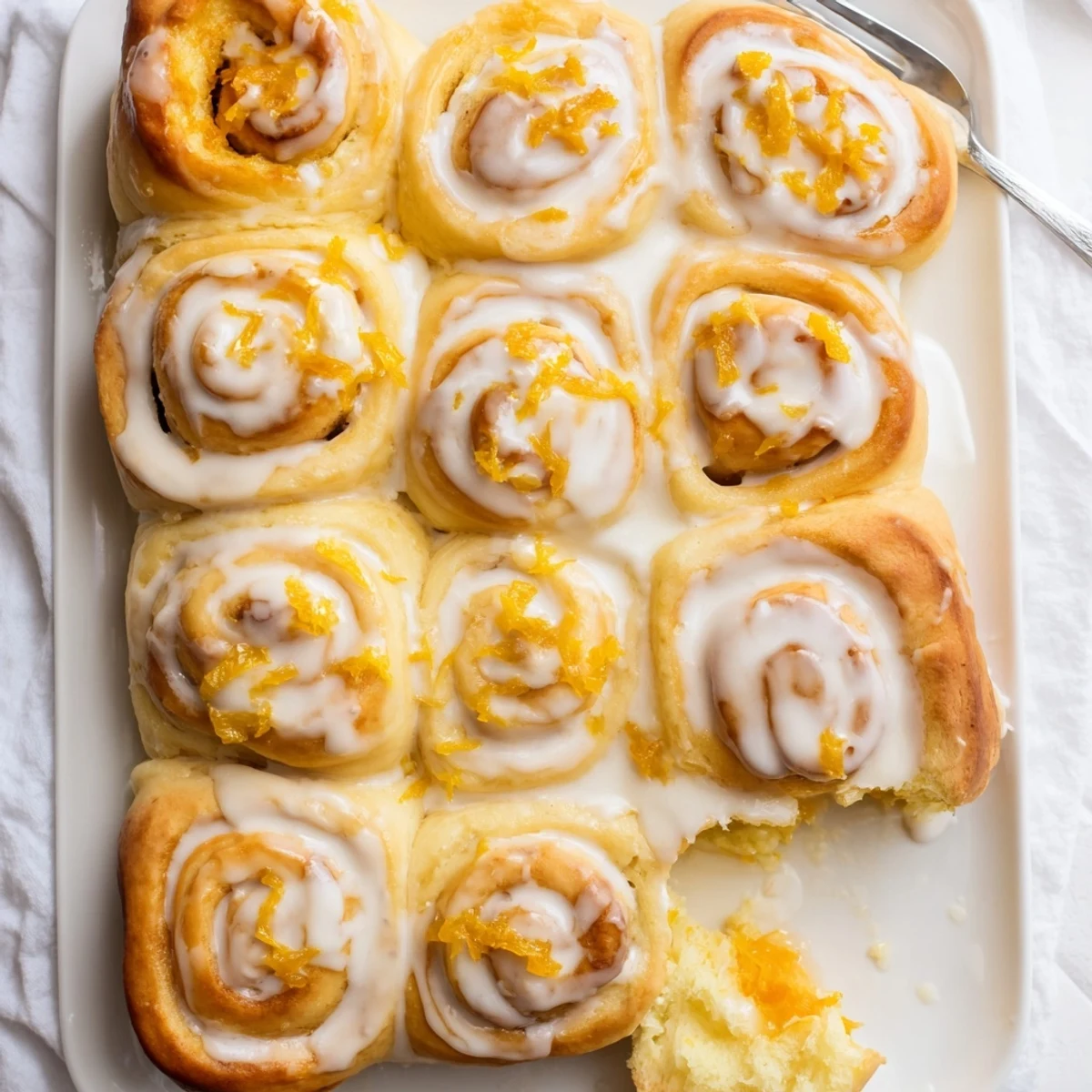
 These homemade orange rolls feature pillowy soft dough swirled with a buttery orange sugar filling, then baked until golden and finished with a tangy citrus glaze. The yeast-based dough requires kneading and two rising periods, creating tender texture that melts in your mouth. Fresh orange zest and juice provide vibrant citrus flavor throughout both filling and glaze.
The process involves mixing a classic sweet dough, letting it rise, rolling it out with orange filling, slicing into spirals, and baking until golden brown. A final drizzle of powdered sugar glaze infused with fresh orange juice adds the perfect sweet finish. These rolls are best served warm and pair wonderfully with coffee or tea.
My tiny apartment kitchen smelled like an orange grove that Sunday morning, sunlight streaming through the window as I wrestled with what seemed like a very stubborn ball of dough. Id promised to bring something special to brunch, and these citrus swirls had been dancing in my head for weeks. The first batch came out slightly lopsided, but that sticky orange glaze covered a multitude of sins, and my friends didnt seem to notice the imperfections one bit.
Last winter, my neighbor Sarah came over during a snowstorm with nothing but a bag of oranges and a need for comfort. We spent the afternoon kneading dough while snow piled up outside, the warmth of the oven and citrus in the air making everything feel right with the world. Now whenever I zest an orange, I think of that cozy afternoon and how something as simple as breakfast can turn strangers into family.
Ingredients
- 3 1/2 cups all-purpose flour: This forms the foundation of your dough. I learned the hard way that measuring by weight yields much more consistent results than scooping directly from the bag.
- 1/4 cup granulated sugar: Feeds the yeast and adds just enough sweetness to balance the tangy orange filling.
- 2 1/4 tsp active dry yeast: One standard packet works perfectly here. Make sure its not expired, or youll have sad, flat rolls.
- 1/2 tsp salt: Do not skip this. It balances all the sugar and makes the flavors pop.
- 3/4 cup whole milk warmed to 110°F: The temperature matters. Too hot kills the yeast, too cold makes it sluggish. Think bathwater warm.
- 1/4 cup unsalted butter melted: Adds richness and tenderness. Melt it completely so it incorporates evenly into the dough.
- 2 large eggs room temperature: Cold eggs can shock the dough. Set them out about 30 minutes before you start baking.
- 1 tsp vanilla extract: Adds a lovely depth that rounds out the bright orange flavors.
- 1/2 cup unsalted butter softened: For the filling. Room temperature butter spreads smoothly without tearing the dough.
- 3/4 cup granulated sugar: Creates that gooey, caramelized texture in the center of each roll.
- Zest of 2 large oranges: This is where all the citrus magic happens. Zest gently, avoiding the bitter white pith underneath.
- 2 tbsp fresh orange juice: Adds moisture and helps the sugar adhere to the butter layer.
- 1 cup powdered sugar sifted: Sifting prevents lumps in your glaze. Nobody wants chunky icing.
- 2-3 tbsp fresh orange juice: Adjust this to get your glaze to the perfect pourable consistency.
- 1/2 tsp orange zest: A little burst of color and extra orange flavor on top makes these look professional.
Instructions
- Make the dough base:
- Combine flour, sugar, yeast and salt in a large bowl. In another bowl, whisk warm milk, melted butter, eggs and vanilla until blended. Pour the wet mixture into the dry and stir until a shaggy dough forms.
- Knead until smooth:
- Turn onto a floured surface and knead for 8 to 10 minutes until the dough feels smooth and elastic, or use a stand mixer with the dough hook for 6 to 7 minutes. The dough should bounce back when you poke it gently.
- Let it rise:
- Place dough in a greased bowl, turning once to coat all sides. Cover with a towel and let rise in a warm spot for about an hour until it has doubled in size. I like to preheat my oven for just a minute then turn it off and let the dough rise in there.
- Prepare the orange filling:
- While dough rises, mix softened butter, sugar, orange zest and juice in a small bowl until combined. The mixture should be spreadable like soft frosting.
- Roll and fill:
- Punch down the risen dough gently and roll it out on a floured surface into a 16 by 10 inch rectangle. Spread the orange filling evenly all the way to the edges.
- Roll it tight:
- Starting from a long side, roll the dough up tightly like a jelly roll. Pinch the seam firmly to seal it so the filling does not leak out during baking.
- Cut into rolls:
- Cut the log into 12 equal pieces using a sharp knife or unflavored dental floss for clean cuts. Place them cut side up in a greased 9 by 13 inch baking dish.
- Second rise:
- Cover the dish and let the rolls rise for 30 to 40 minutes until they look puffy and have filled in the spaces. Preheat your oven to 350°F while they rise.
- Bake until golden:
- Bake for 22 to 25 minutes until the tops are golden brown and the center rolls are cooked through. Cover loosely with foil if they are browning too quickly.
- Make the glaze:
- Whisk powdered sugar with 2 tablespoons orange juice and zest. Add more juice a teaspoon at a time until it reaches a thick but pourable consistency.
- Glaze and serve:
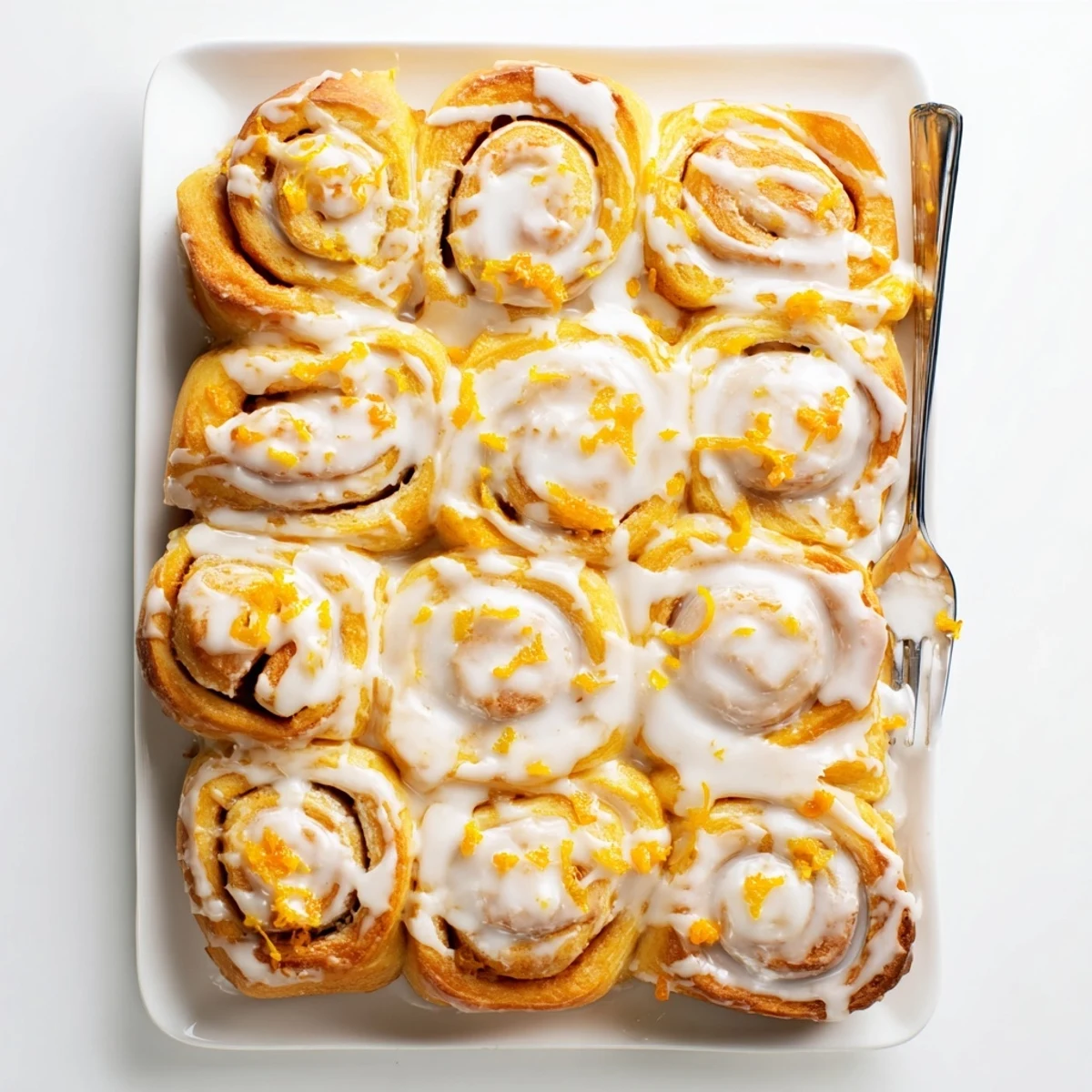
- Let the rolls cool for about 10 minutes in the pan. Drizzle the glaze generously over warm rolls and serve immediately.
 Pin it
 These became my go-to contribution for every family gathering after my sister's wedding morning when we needed something quick but special. Now they are requested more often than the main course at Sunday breakfast, and I have stopped pretending it is any trouble at all.
Making These Ahead
Life gets busy and sometimes you need a head start on breakfast. You can prepare these rolls the night before and let them do their second rise in the refrigerator overnight. Let them sit at room temperature for about 30 minutes while the oven preheats before baking. The cold rise actually develops more flavor and gives you that extra sleep we all need on weekends.
Storage and Freezing
These rolls keep well in an airtight container at room temperature for up to two days, though they rarely last that long in my house. For longer storage, wrap baked and cooled rolls tightly in plastic wrap and freeze for up to a month. Thaw them overnight at room temperature and warm them in a 300°F oven for 10 minutes to bring back that freshly baked magic. I always double the recipe now and stash half in the freezer for emergencies.
Serving Suggestions
These orange rolls shine alongside a hot cup of coffee or Earl Grey tea, but they are also incredible with a cold glass of milk. For a brunch spread, pair them with something savory like a quiche or scrambled eggs to balance the sweetness. I have also served them as dessert with a scoop of vanilla bean ice cream, though that might be overkill for some.
- Try adding chopped pecans or walnuts to the filling for extra texture and nutty flavor
- A splash of orange blossom water in the glaze makes these taste professionally bakery crafted
- Mix a tiny pinch of cinnamon into the orange filling for a warm spice note that complements the citrus beautifully
 Pin it
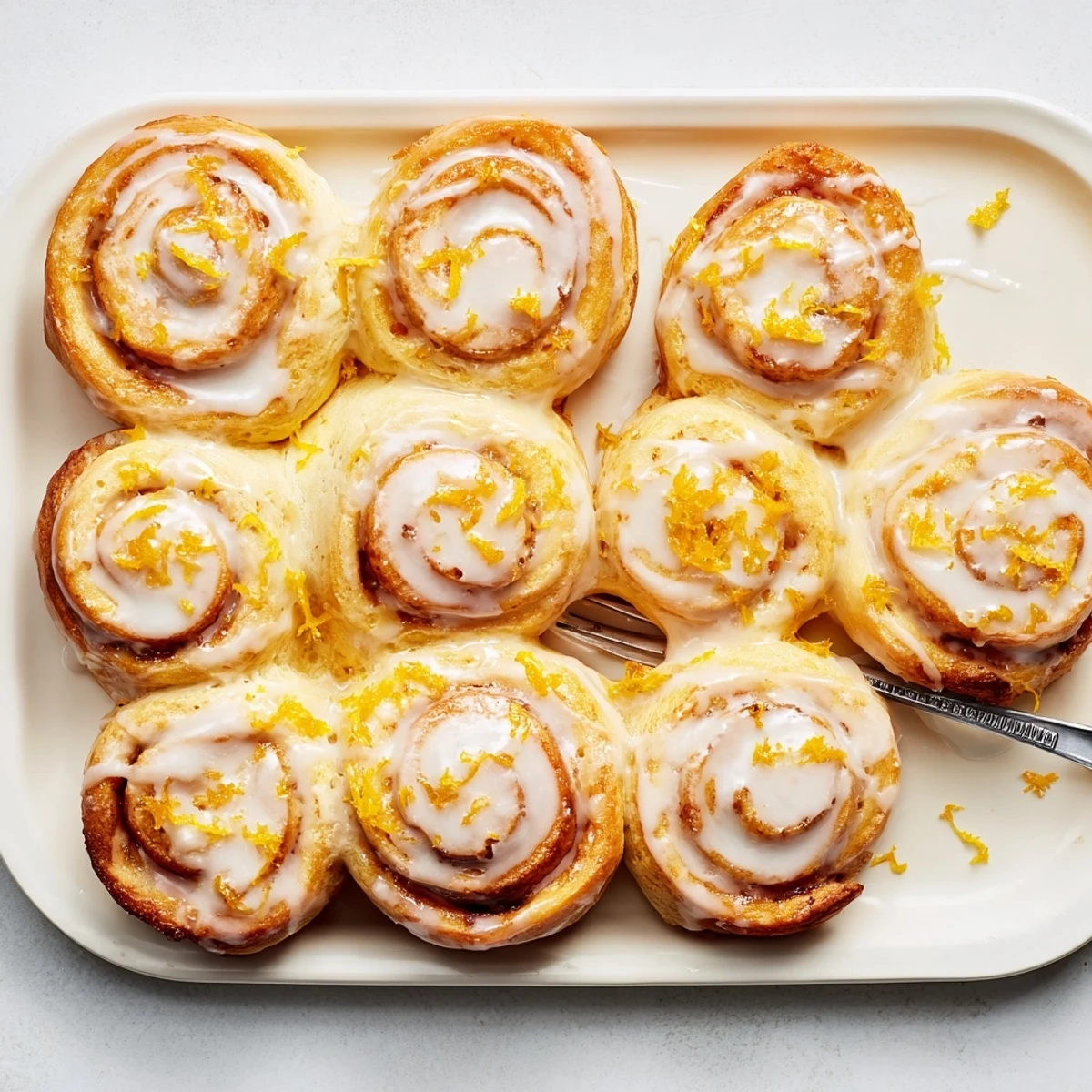
 There is something incredibly grounding about baking with yeast, watching the dough grow and transform under your hands. These orange rolls have become my favorite way to slow down and share something warm and handmade with the people I love.
Recipe FAQ
- → How long do orange rolls need to rise?
-
The dough requires an initial rise of about 1 hour until doubled in size. After shaping into rolls, they need a second rise of 30-40 minutes until puffy before baking. Total rising time is approximately 1 hour 40 minutes.
- → Can I prepare these rolls ahead of time?
-
Yes, you can prepare the rolls the night before. After shaping and placing in the baking dish, cover tightly and refrigerate overnight. Let them come to room temperature and rise for 30-40 minutes before baking the next morning.
- → What's the best way to cut rolls evenly?
-
Use unflavored dental floss or a very sharp knife. Slide the floss underneath the rolled dough log, cross the ends over the top, and pull through. This creates clean cuts without squishing the delicate spiral shape.
- → Can I freeze baked orange rolls?
-
Absolutely. Once completely cooled, wrap individually in plastic wrap and store in freezer-safe bags for up to 2 months. Thaw at room temperature, then reheat gently in the microwave or oven for 5-10 minutes.
- → How do I know when the rolls are done baking?
-
The rolls should be golden brown on top, and an instant thermometer inserted into the center should read 190-200°F. The tops should feel firm but spring back slightly when touched, typically after 22-25 minutes at 350°F.
- → Can I use bottled orange juice instead of fresh?
-
Fresh orange juice is recommended for the brightest citrus flavor, but bottled juice without pulp can work in a pinch. However, fresh zest is essential as bottled alternatives don't provide the same aromatic oils that make these rolls shine.